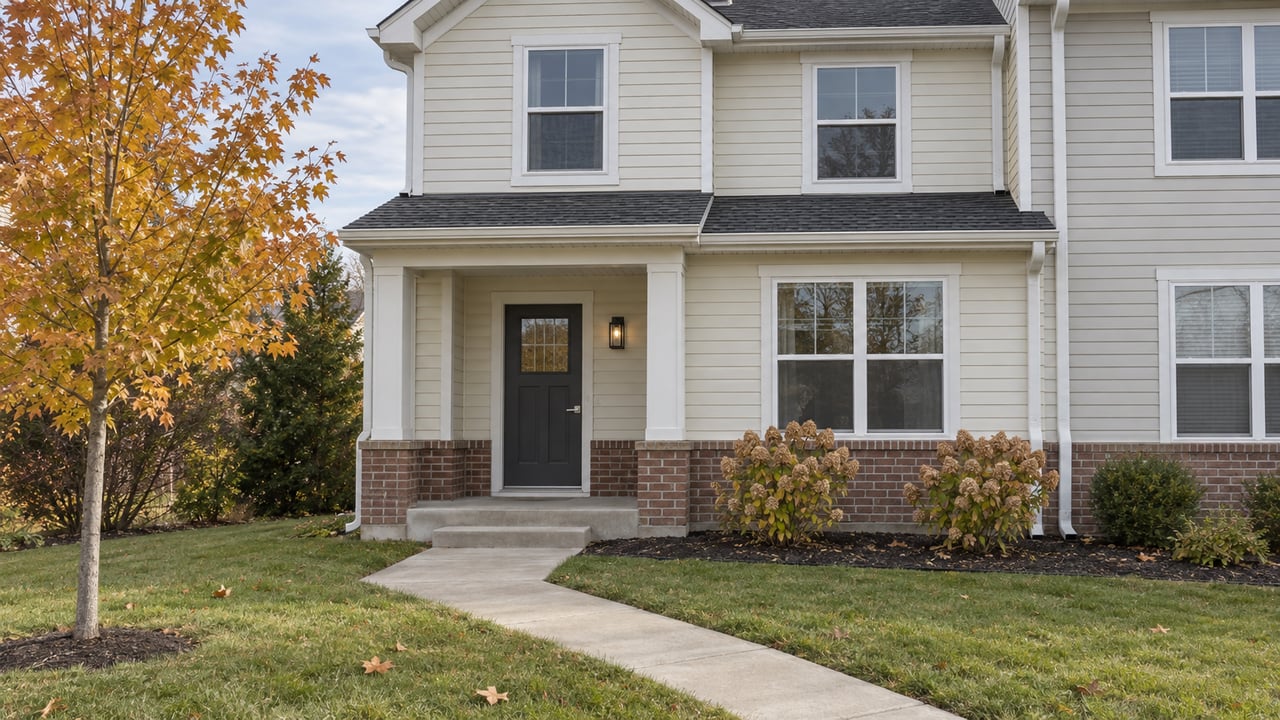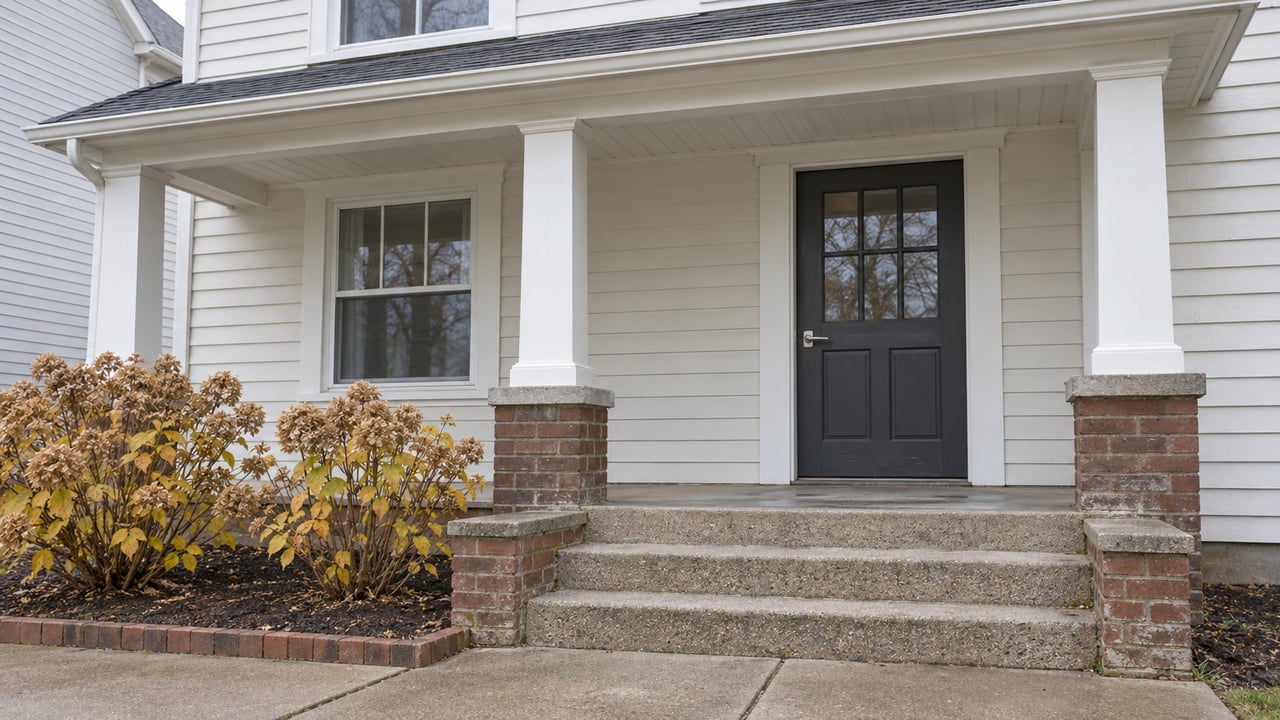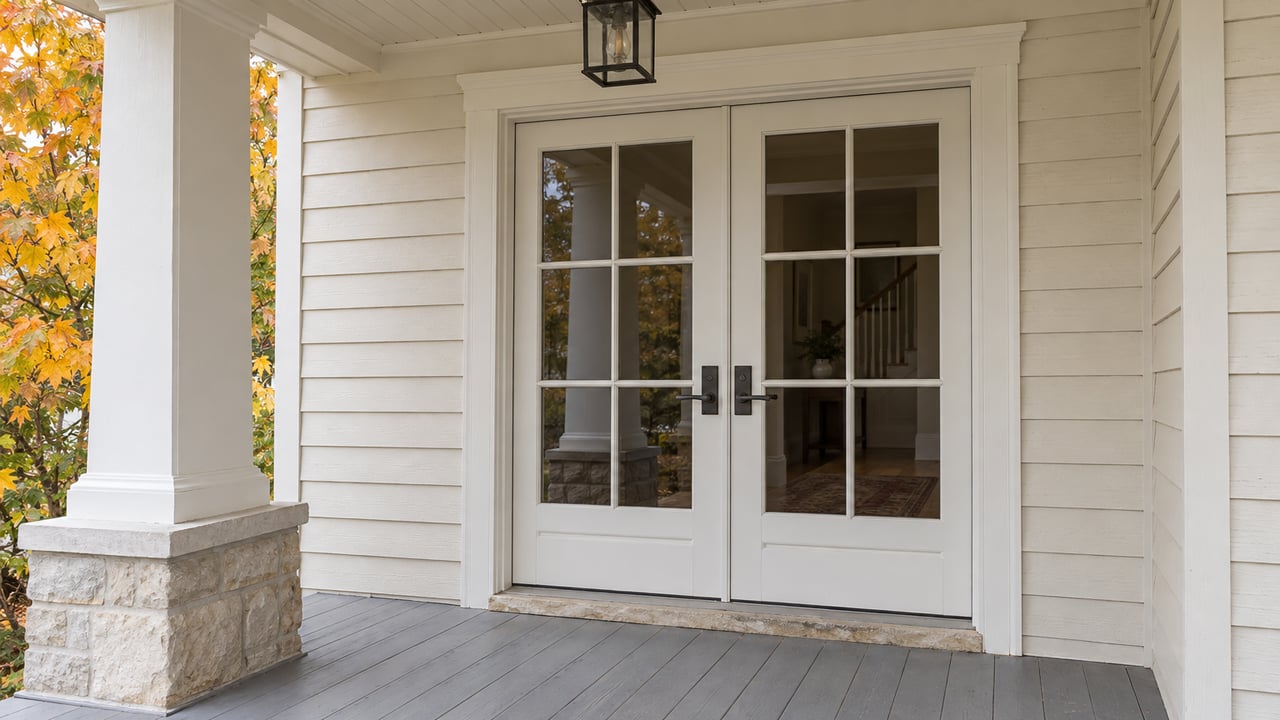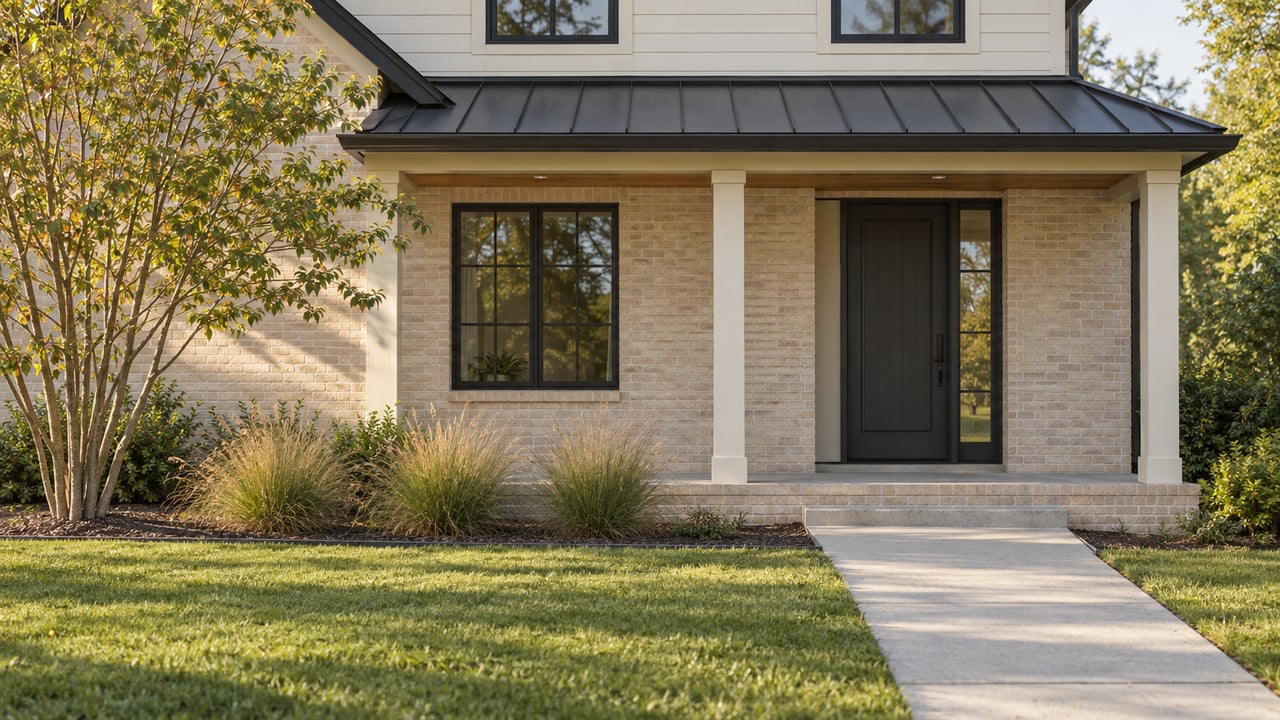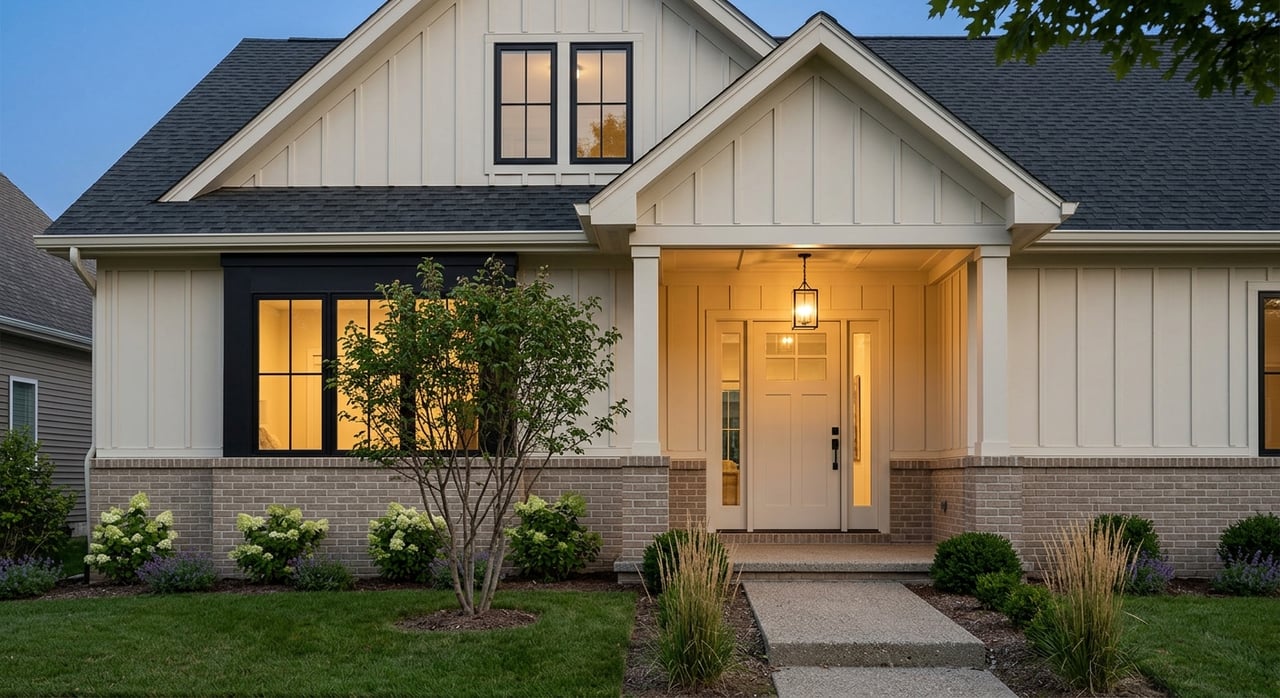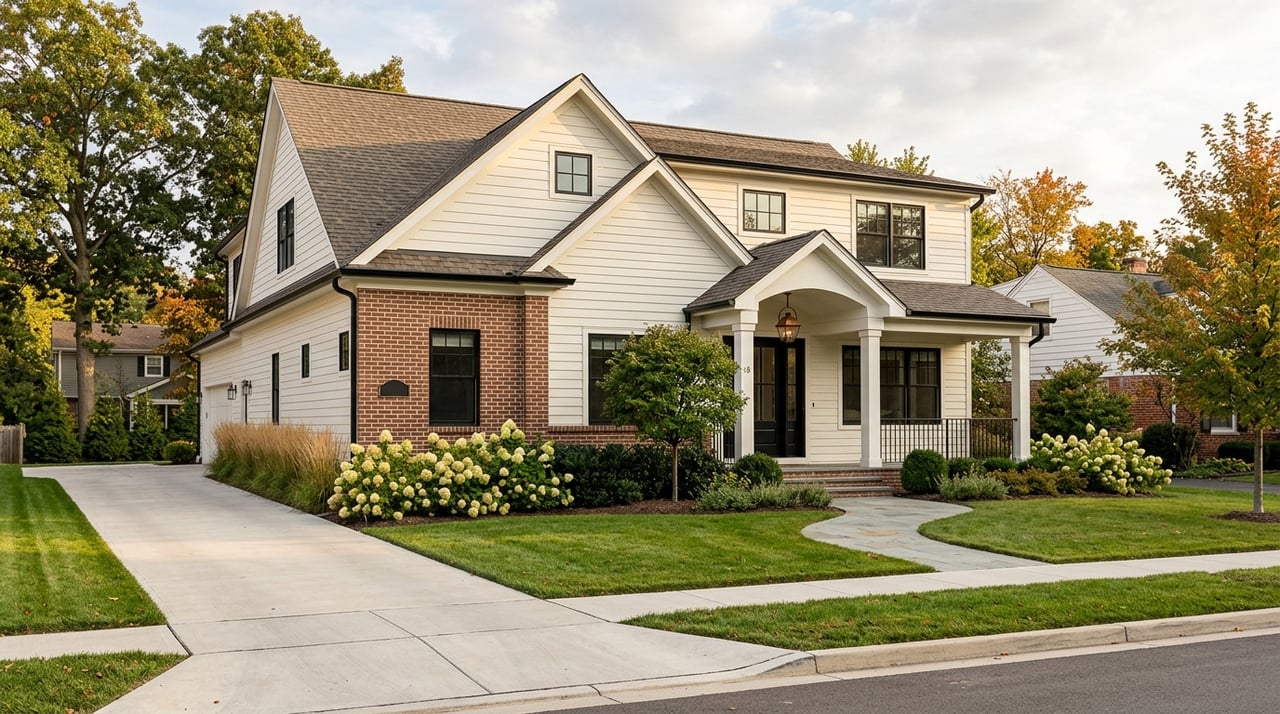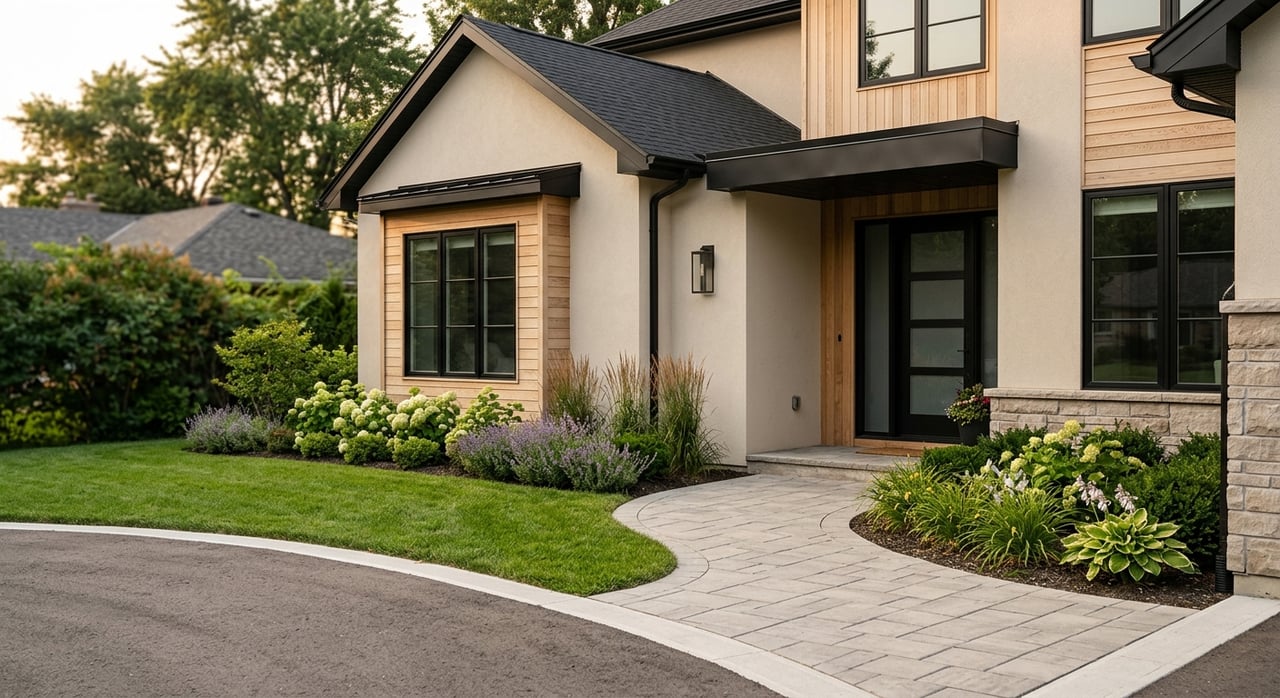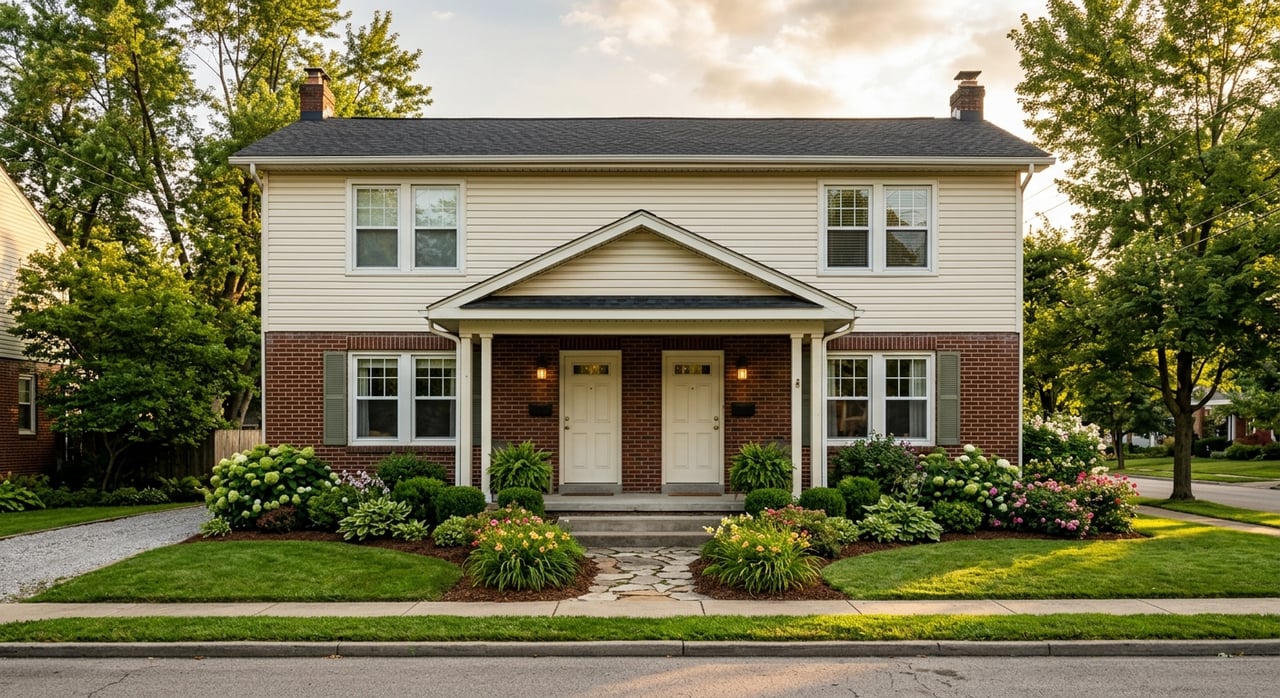
Thinking about trading a larger house for something simpler in West Des Moines? You are not alone. For many homeowners, downsizing to a townhome is less about giving something up and more about gaining easier upkeep, a more predictable routine, and a home that fits your next chapter. If you are weighing that move, this guide will help you understand pricing, HOA fees, maintenance tradeoffs, and how to plan the transition with confidence. Let’s dive in.
Why West Des Moines Works for Downsizers
West Des Moines remains an active, midpriced market rather than a distressed one. According to the latest West Des Moines housing market data from Redfin, the median sale price was $306,000 in March 2026, with homes taking about 85 days to sell and a 99.1% sale-to-list ratio.
That matters if you are downsizing because it suggests you can still find demand for your current home without assuming every listing will sell instantly. Pricing and presentation still count, especially in a market where conditions are balanced rather than overheated.
There is also a meaningful price gap between the overall market and attached housing. Redfin shows West Des Moines condos listed at a median of $256,000 and townhouses at $236,000, which can create a lower entry point if you want to stay in the city while reducing your footprint.
What Downsizing to a Townhome Can Change
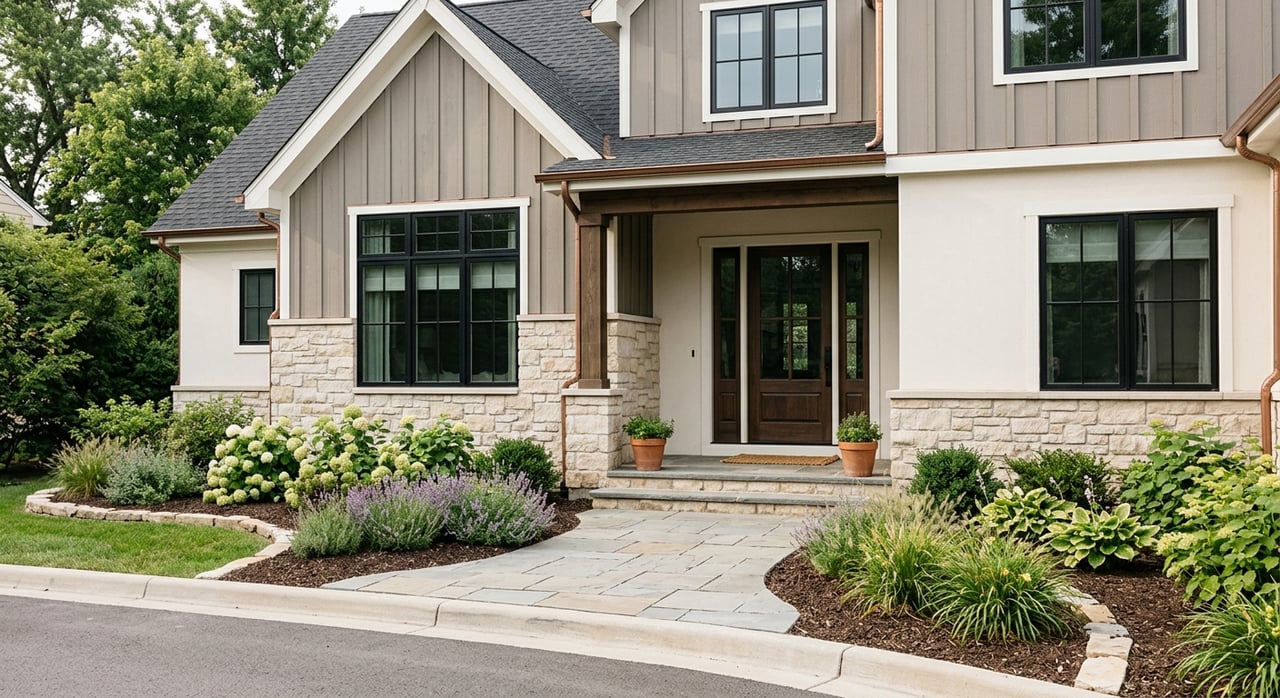
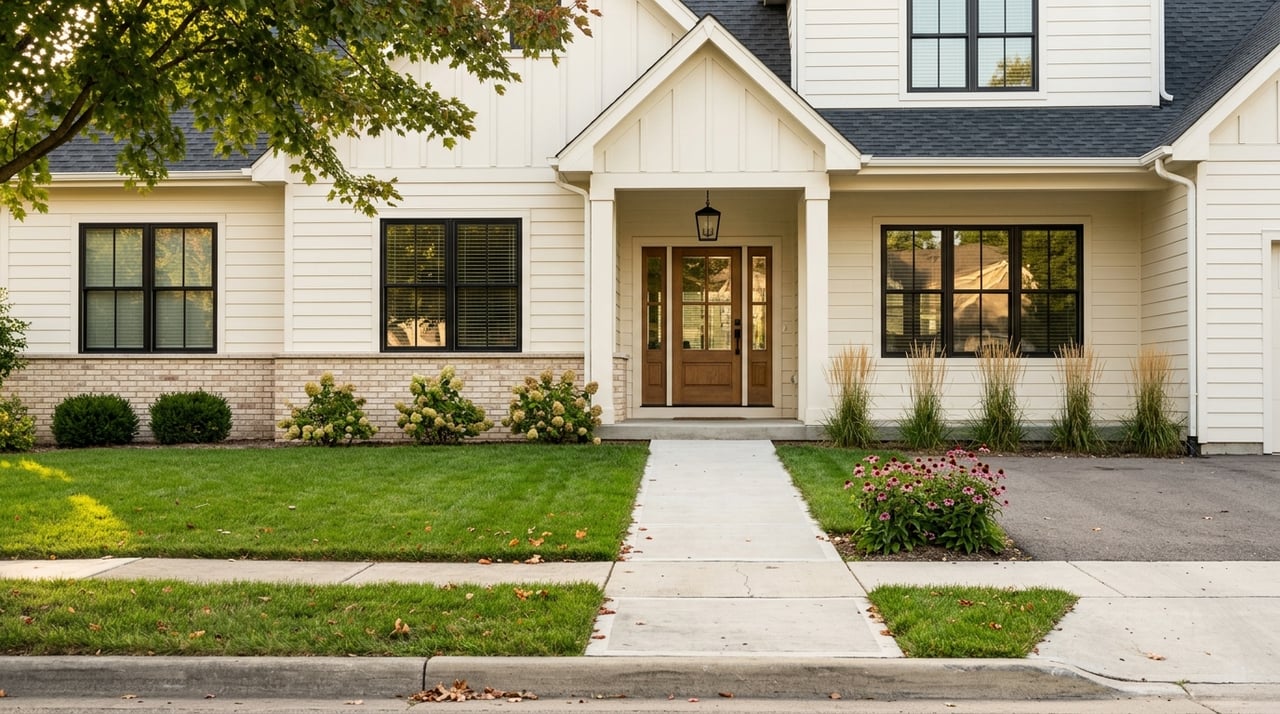
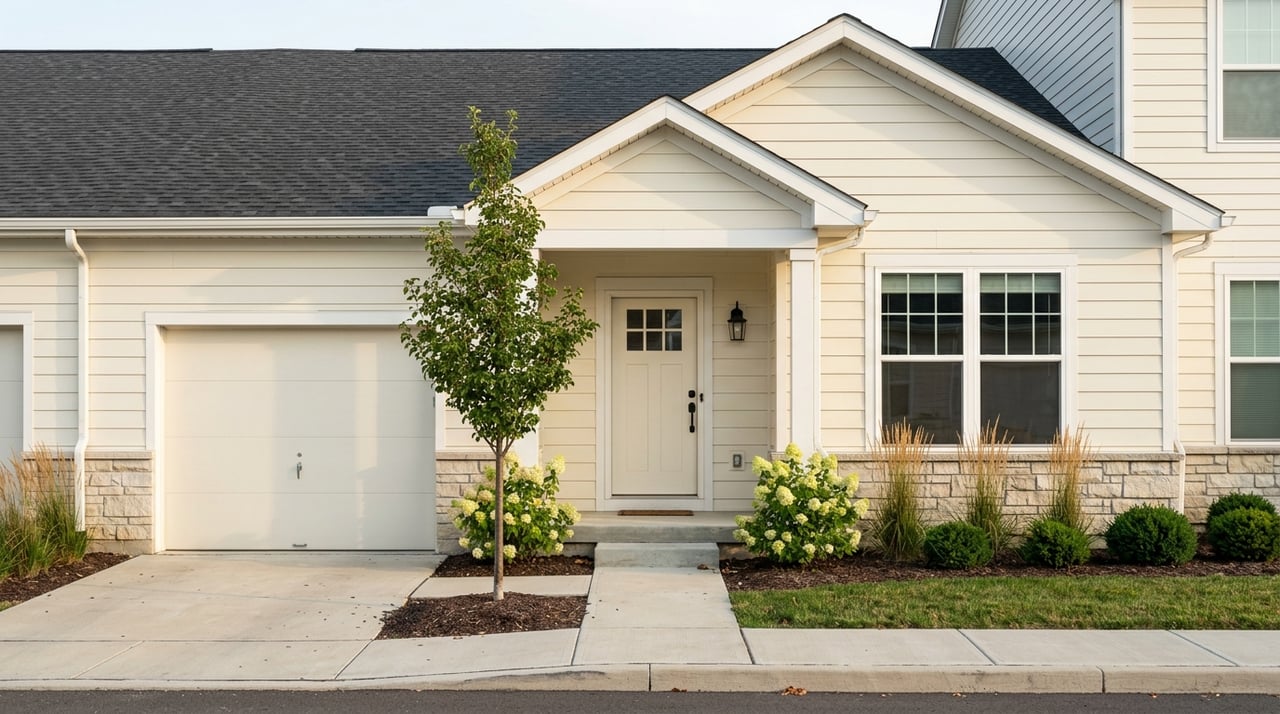
For many homeowners, the biggest appeal of a townhome is simpler day-to-day ownership. In many attached-home communities, an association handles common-area maintenance and some shared exterior responsibilities, which can mean less yard work and fewer exterior tasks for you to manage personally.
That said, downsizing does not mean all responsibility disappears. As Fannie Mae explains in its HOA guidance, associations collect fees, maintain common areas, and set rules, but owners still have their own monthly housing costs and may still be responsible for parts of insurance coverage and interior upkeep.
The tradeoff is usually this: less hands-on maintenance, but more shared governance and ongoing fees. If you value convenience and a more managed environment, that can be a very good fit. If you want full control over exterior appearance or changes, you will want to read the rules carefully before you buy.
Understand Townhome Pricing in West Des Moines
Attached homes can offer a practical path for downsizers who want to unlock equity from a larger property while staying local. Current listing data shows townhomes and condos often sit below the citywide median price, which may help you redirect some of your housing budget toward savings, travel, or lower monthly obligations.
Still, not every part of West Des Moines performs the same way. Realtor.com ZIP code data for 50265 shows a median listing price around $299,900 and about 52 days on market, while the research report notes ZIP 50266 around $385,500 and 80 days on market.
The takeaway is simple: local variation matters. If you are selling one home and buying another in West Des Moines, you should not assume the same pricing pace applies across every neighborhood or townhome community.
How HOA Fees Actually Work
One of the biggest questions downsizers ask is whether the HOA fee is worth it. In Iowa, many townhome and villa communities are structured as common interest communities, and under Iowa Code Chapter 499C, owners can be required to share costs tied to taxes, insurance premiums, maintenance, improvements, or other common expenses.
That means the real question is not just whether a property is labeled a townhome or villa. What matters is the ownership structure and the governing documents behind it.
According to Fannie Mae’s overview of HOA fees, dues can vary based on location, condition, property value, age of the community, and amenities. HOA dues are also generally separate from property taxes, and they may rise over time.
You should also know that a monthly HOA fee is not the whole story. Some communities maintain healthy reserve funds for future repairs, while others may need a special assessment for major one-time expenses. That can affect both your budget and the long-term value of the property.
What to Review Before You Buy
When you are downsizing, the documents behind the property matter almost as much as the floor plan. Iowa law requires associations to provide key records like organizational documents, bylaws, rules, and recent meeting minutes or financial reports within 10 business days of a request under Chapter 499C.
That gives you a chance to review how the community is run before you commit. It is one of the smartest steps you can take when buying in a townhome community.
Here are a few items worth reviewing closely:
- Monthly HOA dues
- Reserve fund strength
- Any pending or recent special assessments
- Rules for exterior changes or improvements
- Parking rules
- Insurance responsibilities between owner and association
- Recent meeting minutes for signs of upcoming repairs or disputes
Fannie Mae recommends asking about reserves, assessments, bylaws, parking, and insurance coverage. For downsizers, that due diligence helps you avoid surprises after closing.
Maintenance Gets Easier, Not Free
A townhome can reduce the number of chores on your personal to-do list, but it does not erase homeownership costs. Associations may maintain common areas and sometimes handle certain exterior items, yet your mortgage, taxes, personal insurance needs, and interior maintenance are still part of the picture.
Fannie Mae notes that in many condo settings, the association may cover exterior damage and common areas, while the owner remains responsible for interior coverage and other personal obligations. So before you buy, make sure you understand exactly what the association covers and what still falls to you.
That clarity matters when you compare a townhome to your current house. The benefit may be fewer large exterior projects and less routine outdoor upkeep, but the offset is monthly dues and the possibility of future assessments.
Resale Value Still Depends on HOA Health
If you are planning to make this your long-term home, it is still smart to think about resale on day one. A townhome community with strong financial management, clear rules, and solid maintenance can support value over time.
On the other hand, HOA issues can shrink the future buyer pool. Fannie Mae’s condo project guidance notes that some projects can become ineligible for conventional financing if they have critical repairs, insufficient master insurance, significant litigation, or certain short-term-rental or hotel-like characteristics.
Why does that matter to you? If fewer buyers can get financing for a unit, resale can become harder. That is why reviewing association documents, reserves, and project condition is not just buyer homework. It is also part of protecting your future exit strategy.
Timing Your Sale and Purchase
Downsizing often involves two moving pieces at once: selling your current home and buying the next one. In West Des Moines, recent market trackers show homes taking roughly 78 to 85 days to sell, with sale-to-list ratios near 99% and about 24.3% selling above list price in March 2026, according to Redfin’s market report.
That suggests there is still real demand, but not the kind of market where every home moves overnight. If your timeline is tight, planning matters.
A smoother transition usually starts with a few practical questions:
- What is your current home likely worth today?
- How much equity do you want to free up?
- What monthly payment feels comfortable once HOA dues are included?
- Do you want to buy first, sell first, or coordinate both closings closely?
Fannie Mae’s selling guidance also recommends factoring in home-improvement costs, closing costs, and moving expenses. If your timing is especially tight, the same source notes that a bridge or swing loan can be an option when a lender documents your ability to carry all related obligations.
A Smart Downsizing Strategy
If you are considering a townhome in West Des Moines, the strongest approach is usually to treat the move as both a lifestyle decision and a numbers decision. You want a home that feels easier to live in, but you also want the monthly costs, HOA structure, and resale outlook to make sense.
That is where local guidance can make a real difference. West Des Moines is not one-size-fits-all, and townhome communities can vary widely in fees, rules, condition, and pace of sales.
If you want help comparing communities, pricing your current home, or planning the right sequence for your move, the Mauro Team can help you evaluate your options with clear, practical advice. Whether you are still exploring or ready to make a move, a local strategy can make downsizing feel much more manageable.
FAQs
What does downsizing to a townhome in West Des Moines usually cost?
- Current listing data in the research report shows West Des Moines townhouses at a median listing price of about $236,000 and condos around $256,000, compared with a citywide median sale price of $306,000.
What should you review about HOA fees before buying a West Des Moines townhome?
- You should review the monthly dues, reserve funds, any planned or recent special assessments, insurance responsibilities, parking rules, and the governing documents for the community.
What maintenance responsibilities change when you move to a West Des Moines townhome?
- Many townhome communities reduce your direct responsibility for some exterior and common-area upkeep, but you still need to budget for mortgage costs, taxes, personal insurance needs, interior maintenance, and HOA dues.
How does HOA health affect resale value for a West Des Moines townhome?
- HOA finances, insurance, repairs, and project condition can affect financing availability for future buyers, which can directly influence resale demand and value.
How long does it take to sell a home in West Des Moines before downsizing?
- The research report cites recent market data showing a median time on market of roughly 78 to 85 days, so planning your pricing and timeline carefully is important.