Thinking about a move to Waukee but not sure what day-to-day life actually feels like? You are not alone. Many buyers compare western Des Moines suburbs and wonder how schools, parks, commutes, and housing stack up. In this guide, you will get a clear, local view of life in Waukee so you can decide if it fits your goals. Let’s dive in.
Why Waukee keeps growing
Waukee sits on the western edge of the Des Moines metro and has grown quickly over the past decade. You will notice new subdivisions, active construction, and expanding school facilities across the city. The result is a modern suburban feel with planned neighborhoods, mixed-use areas, and more amenities each year. If you want newer housing with access to jobs in the metro, Waukee is worth a close look.
Daily life snapshot
You will find a mix of families with school-age kids and young professionals who commute across the metro. The vibe is suburban and organized, with quiet residential streets, neighborhood parks, and a steady calendar of community events. Most errands are a short drive, though newer mixed-use areas make it easier to combine coffee, dining, and quick shopping in one stop. Evenings and weekends tend to revolve around youth sports, community programs, and meetups at local restaurants or breweries.
Schools and education
Waukee Community School District serves most of the city and has expanded with multiple elementary and middle schools to meet demand. The district includes at least two comprehensive high schools. Families often cite academics, athletics, and a broad set of extracurriculars as reasons they choose the area. If schools are a priority for you, plan to review current attendance boundaries and recent openings, since growth can lead to changes from year to year.
Private and parochial options inside Waukee are limited, but nearby suburbs offer more alternatives. It is a good idea to compare commute patterns, program offerings, and after-school activities across both public and private choices so you can match them to your family’s schedule.
Parks and trails
Waukee maintains a network of neighborhood and community parks with playgrounds, sports fields, and open green space. In the Kettlestone area, you will find parks integrated into mixed-use retail and dining, which makes for easy strolls before or after a meal. You also have connections to regional trails, including access points that link to well-known routes like the Raccoon River Valley Trail.
Recreation is a strong part of local life. The city and community groups offer youth sports, seasonal programs, and fitness options. In summer, plan on plenty of outdoor time; in winter, you will still find indoor leagues and classes to keep calendars full.
Shopping, dining, and entertainment
Kettlestone is Waukee’s primary hub for everyday shopping and dining, with national retailers, grocery stores, restaurants, and services grouped together for easy errands. Beyond Kettlestone, you will find additional options along major arterials. For big-box shopping, larger theaters, or metro-wide attractions, you can reach nearby West Des Moines or downtown Des Moines within a short drive.
The dining scene is a blend of familiar chains and an increasing number of local spots. Coffee shops, casual restaurants, and small breweries fit the tastes of both families and young professionals. Weeknights tend to be relaxed, while weekends bring more energy to retail nodes and community spaces.
Housing and neighborhoods
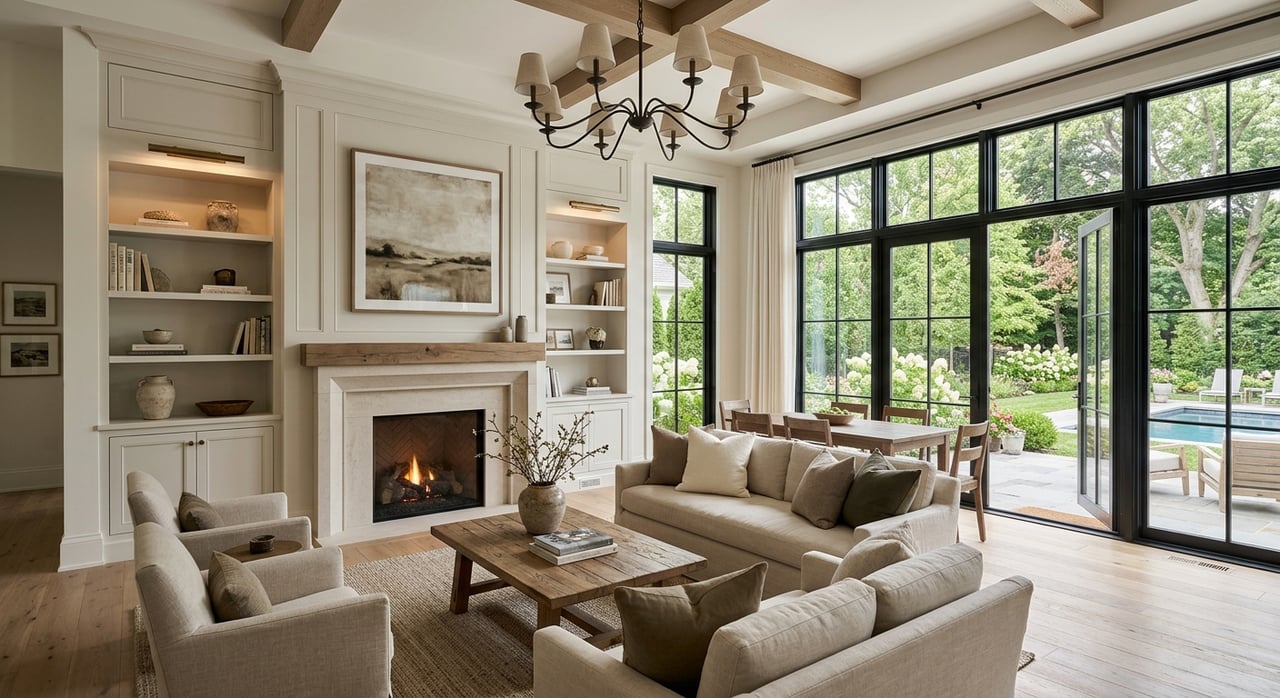
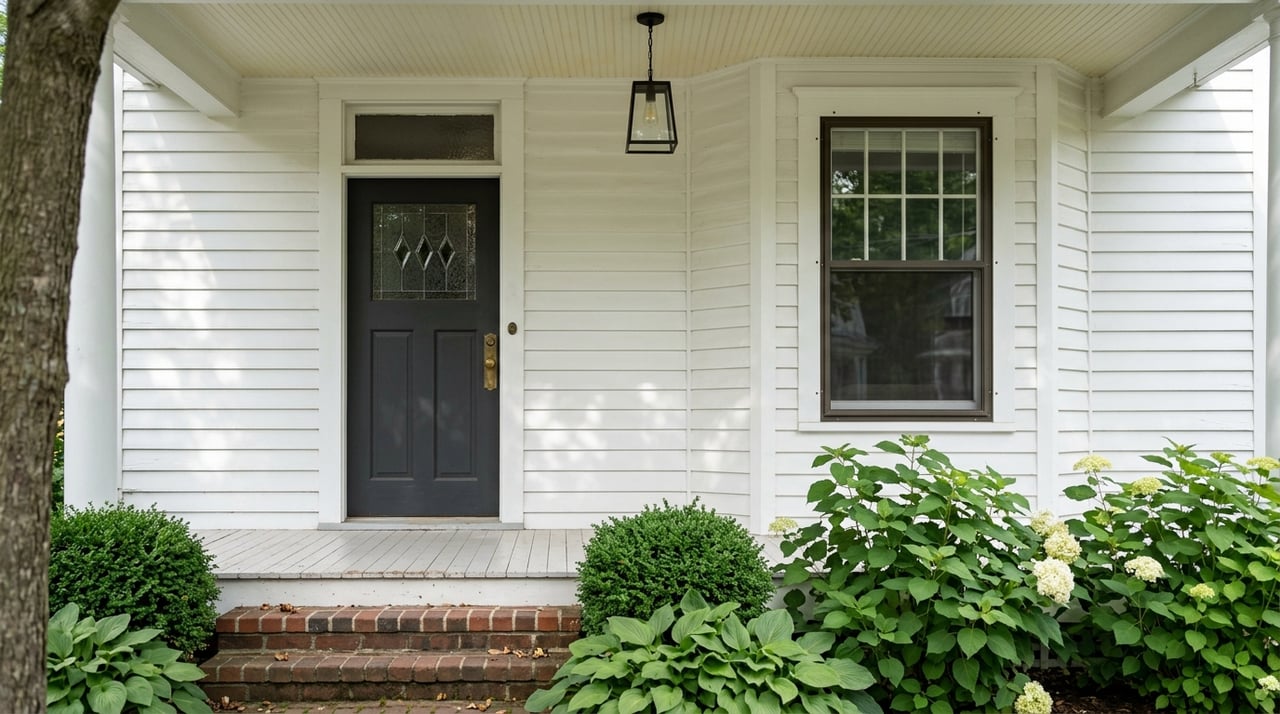
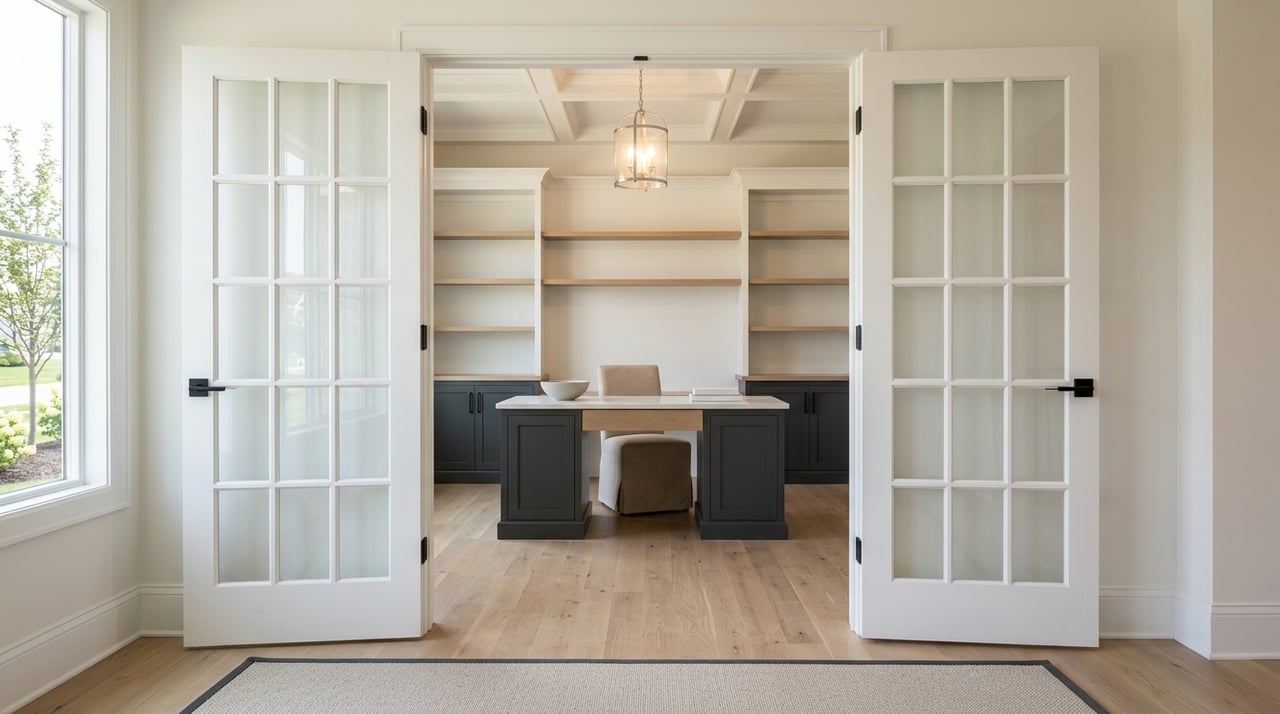
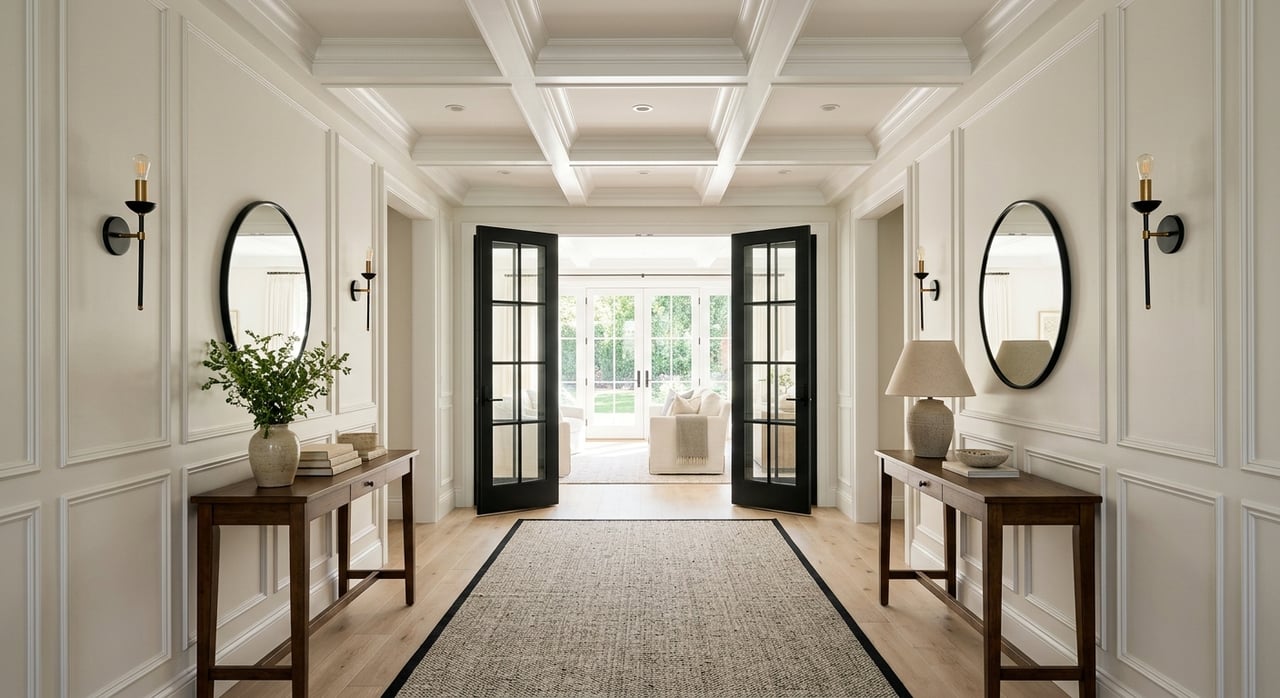
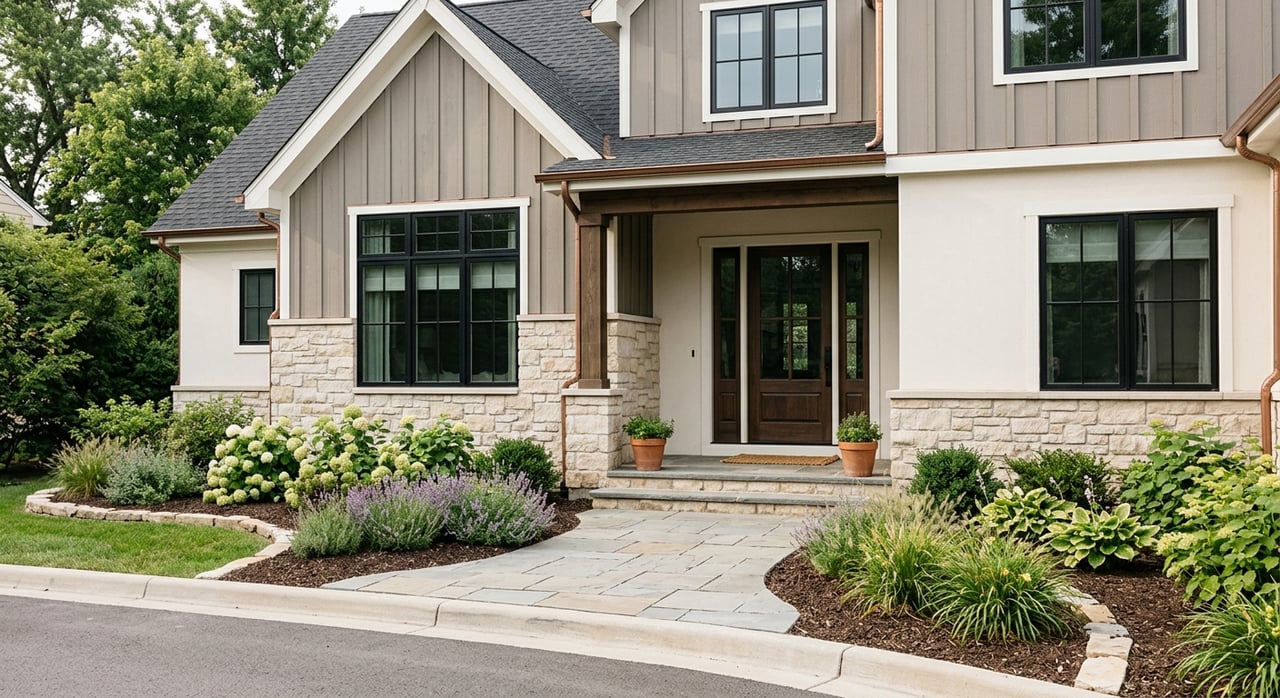
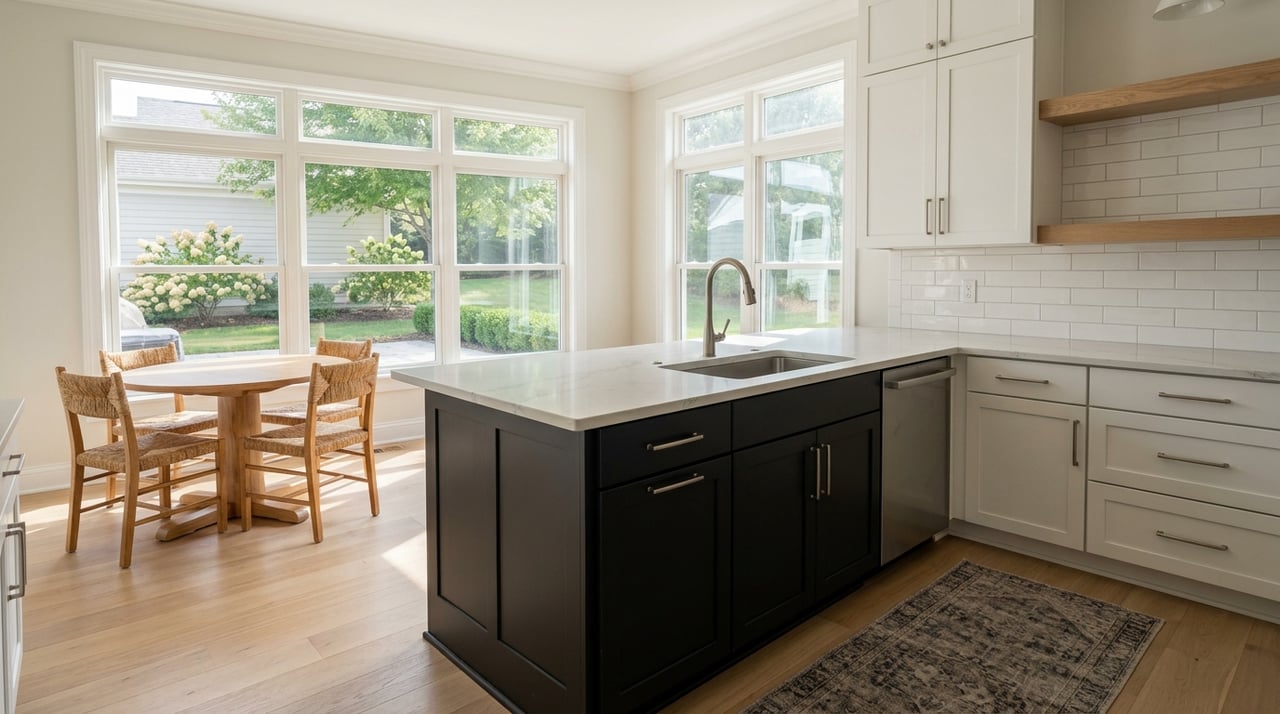
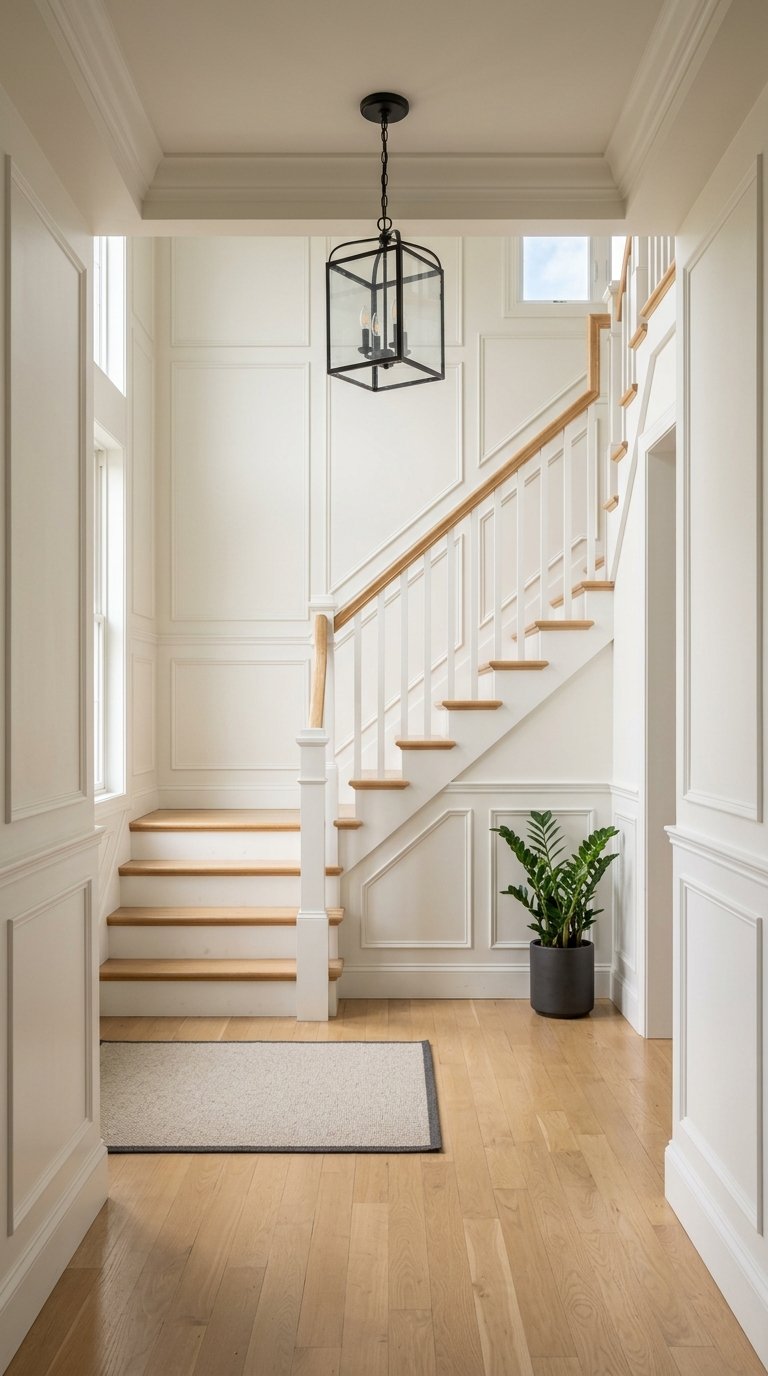
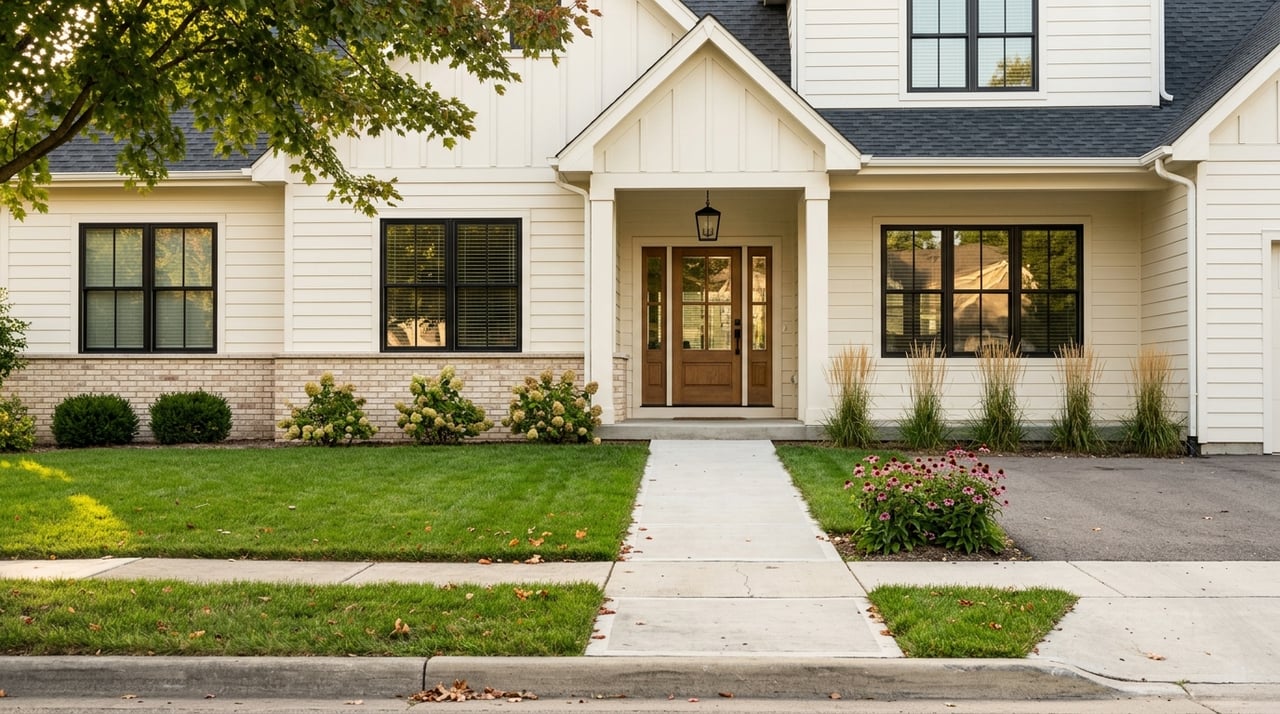
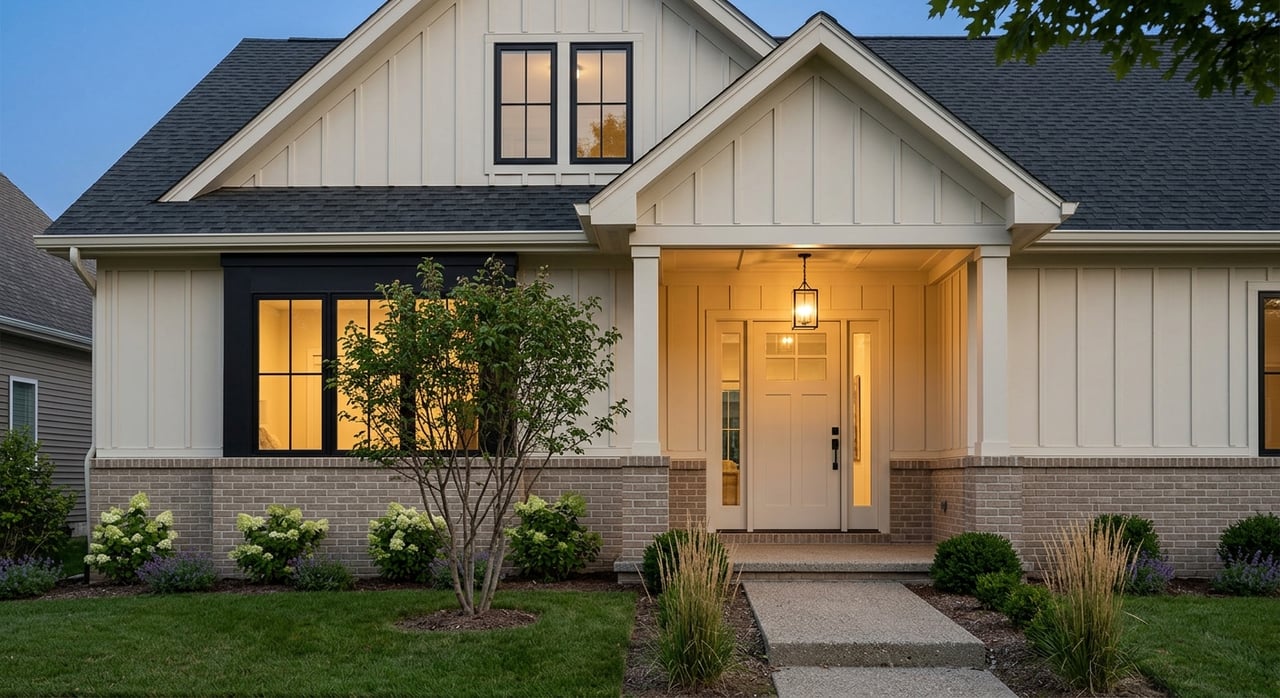
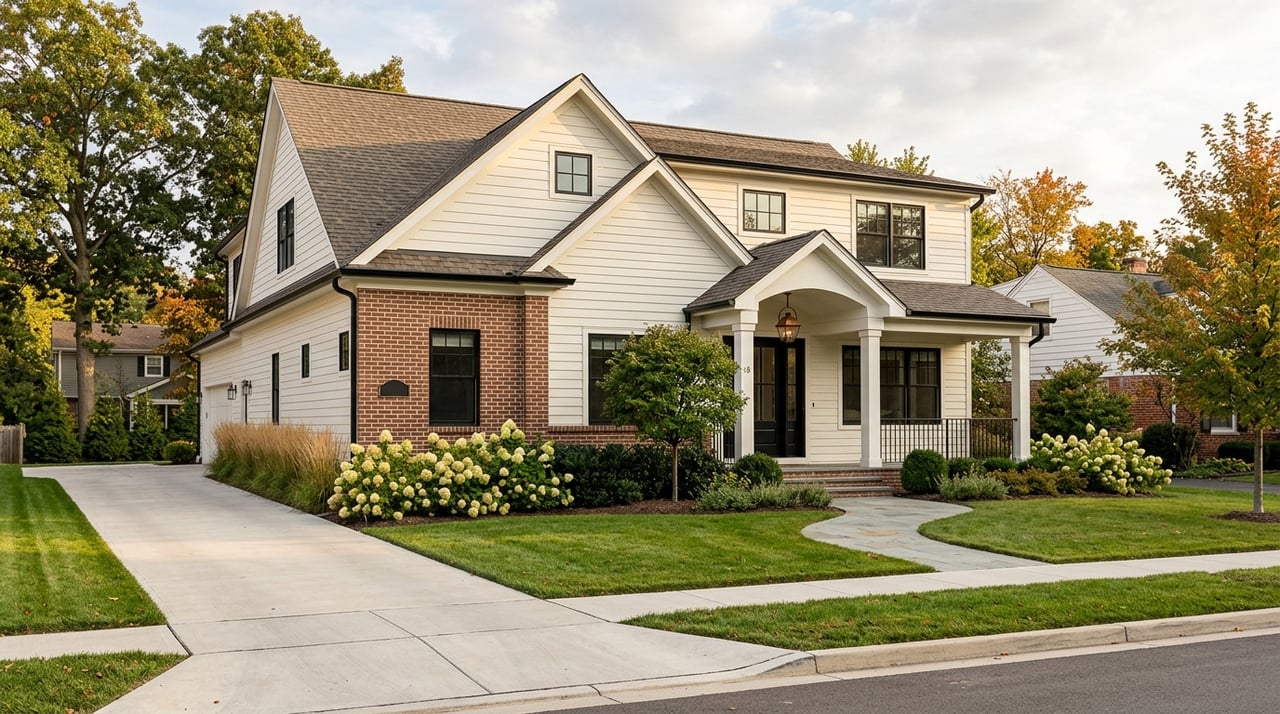
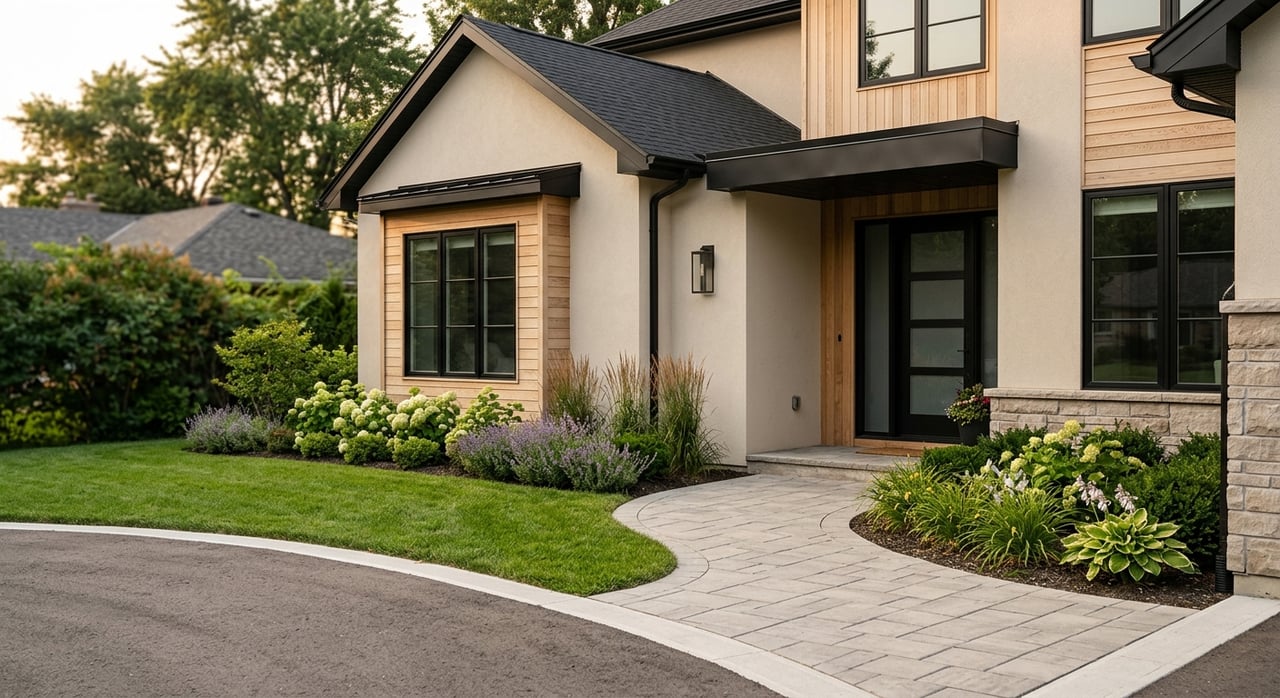
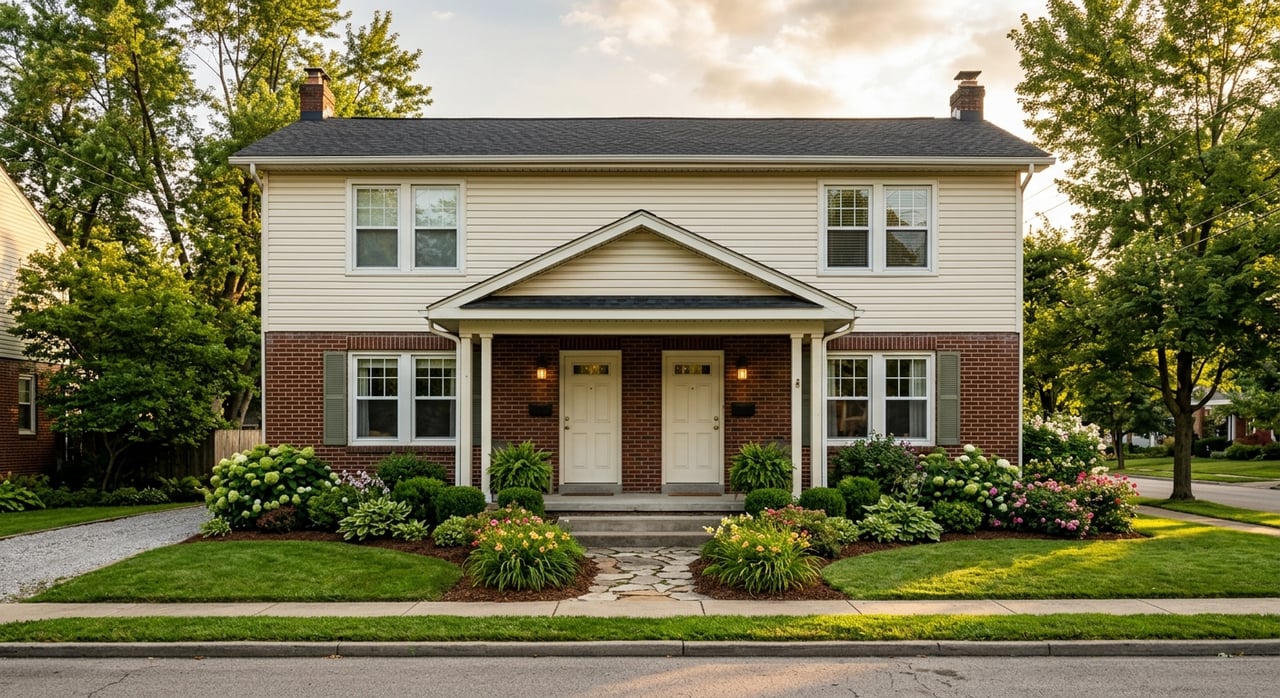
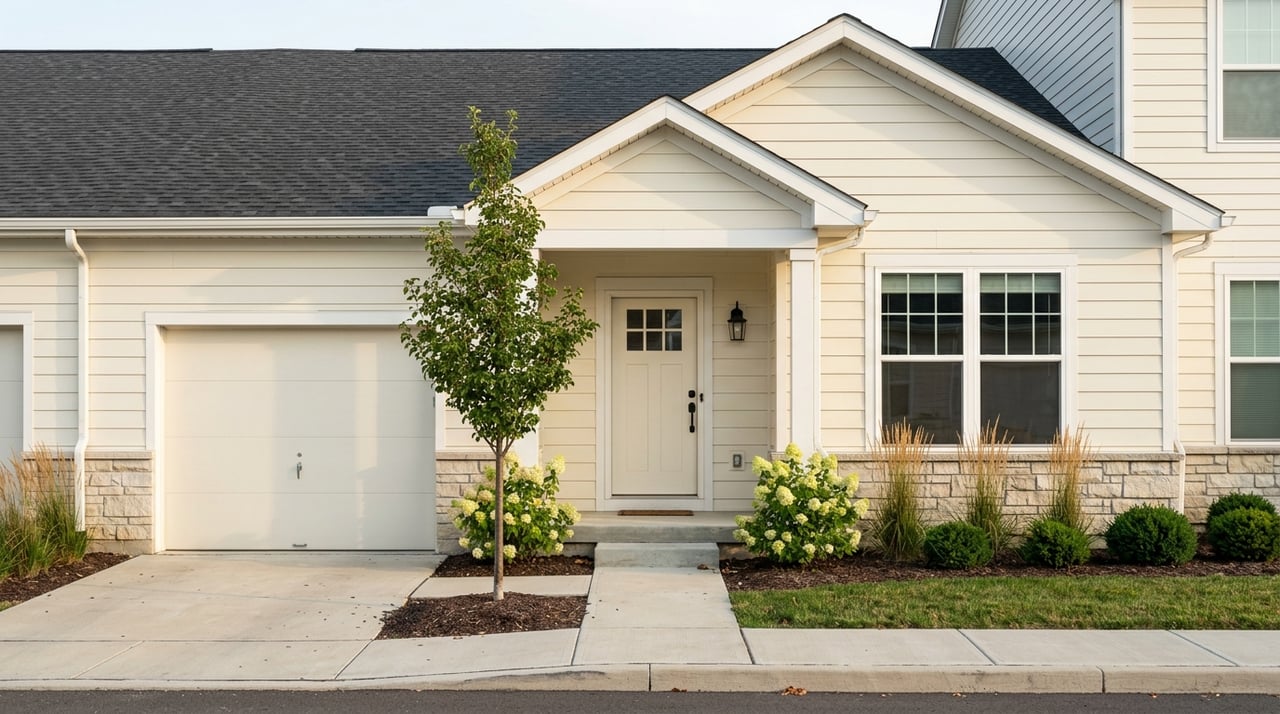
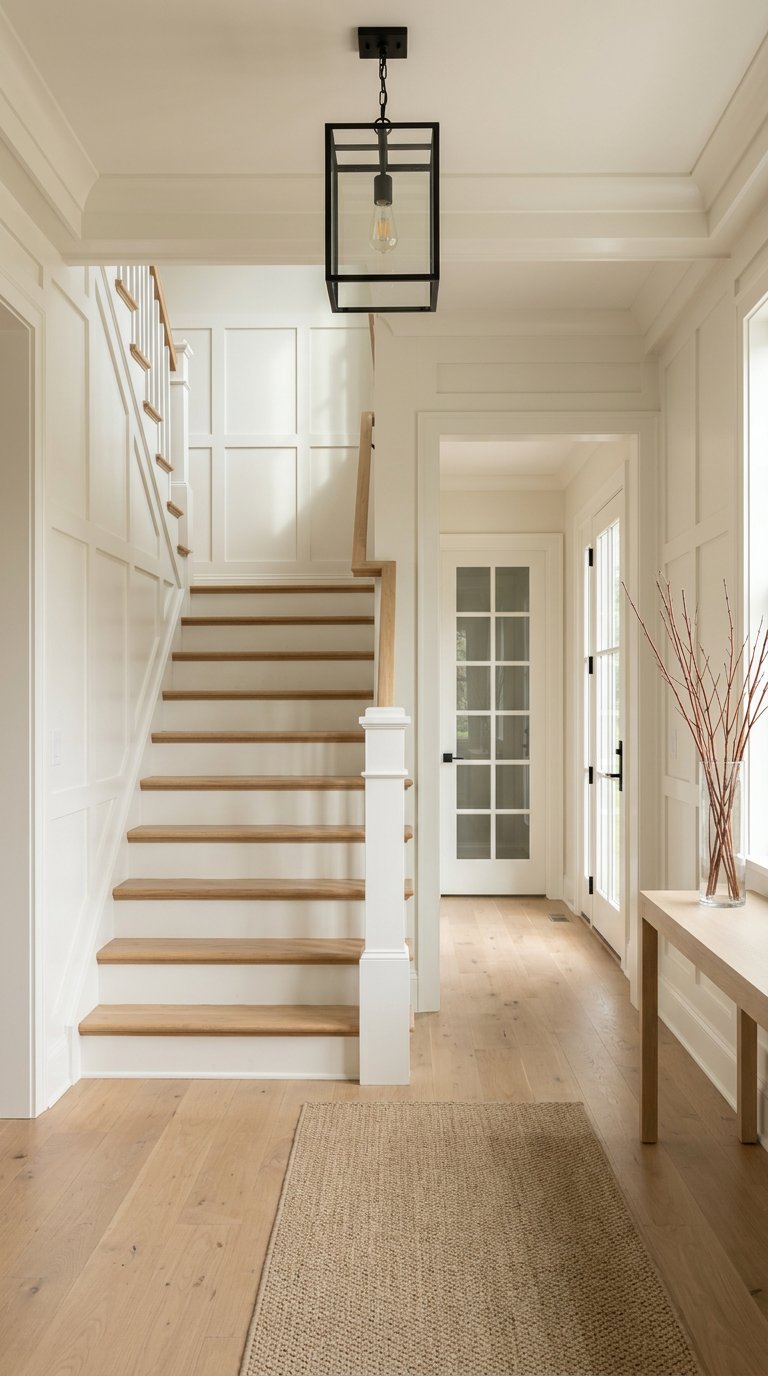
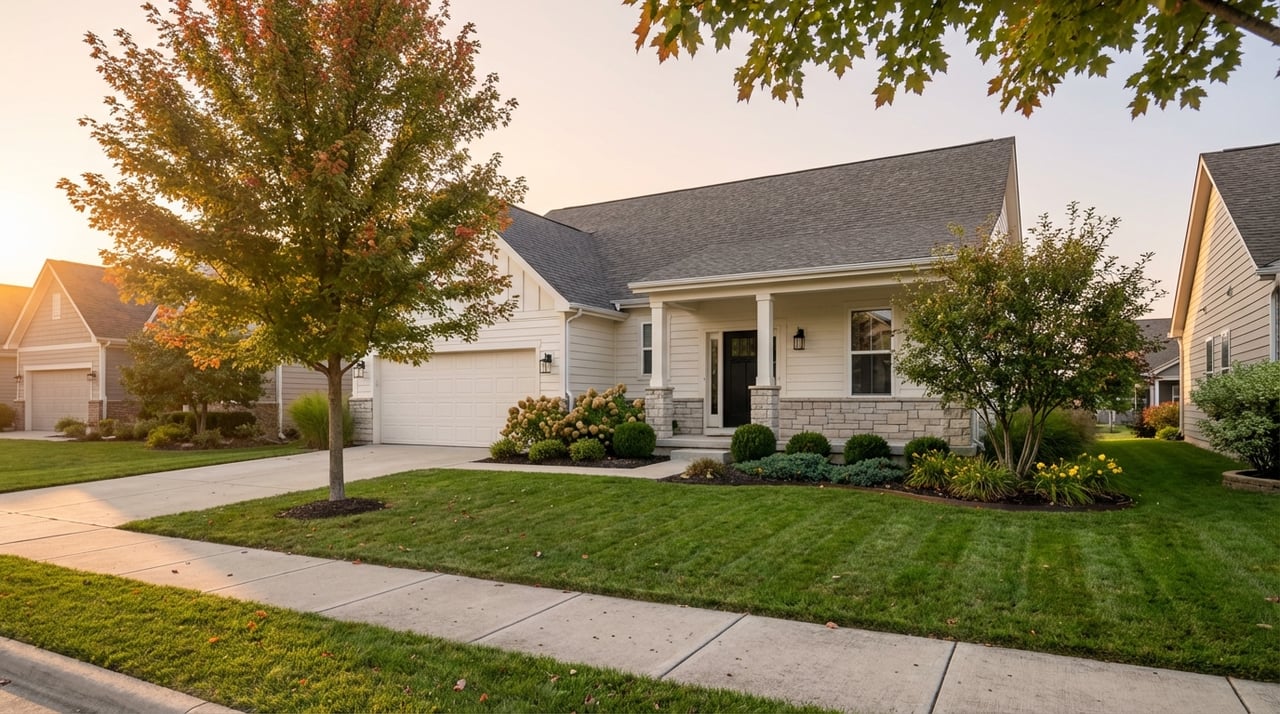
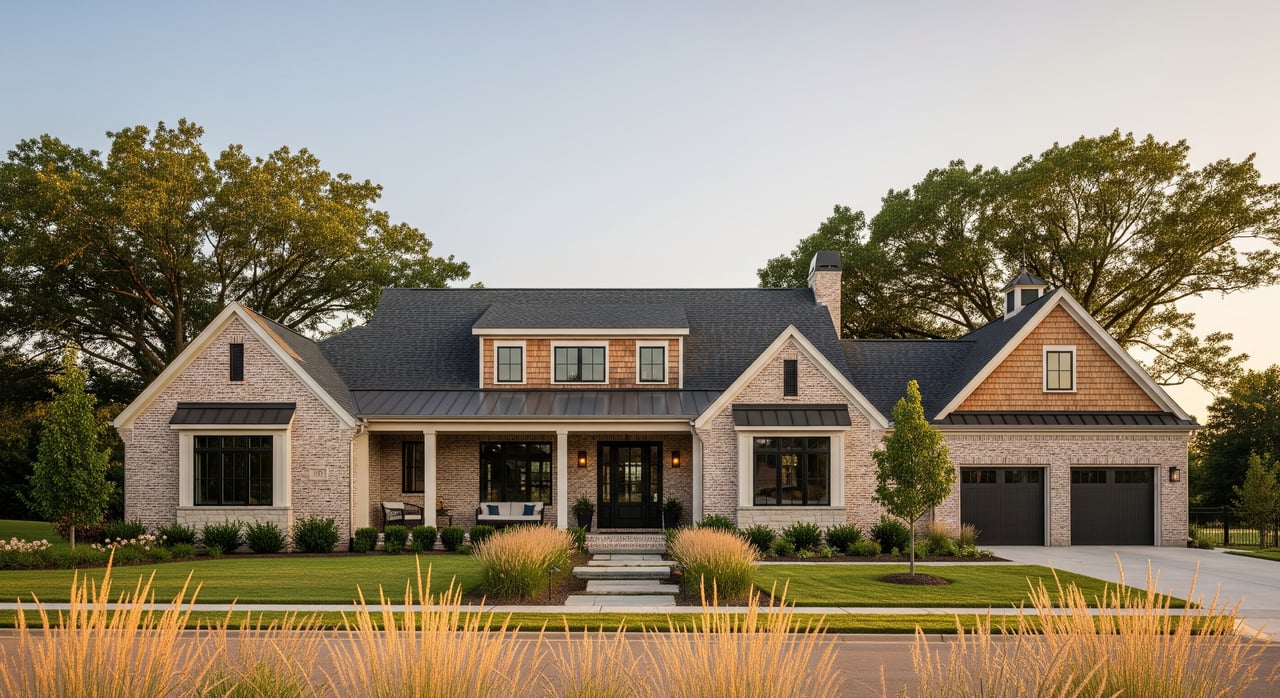
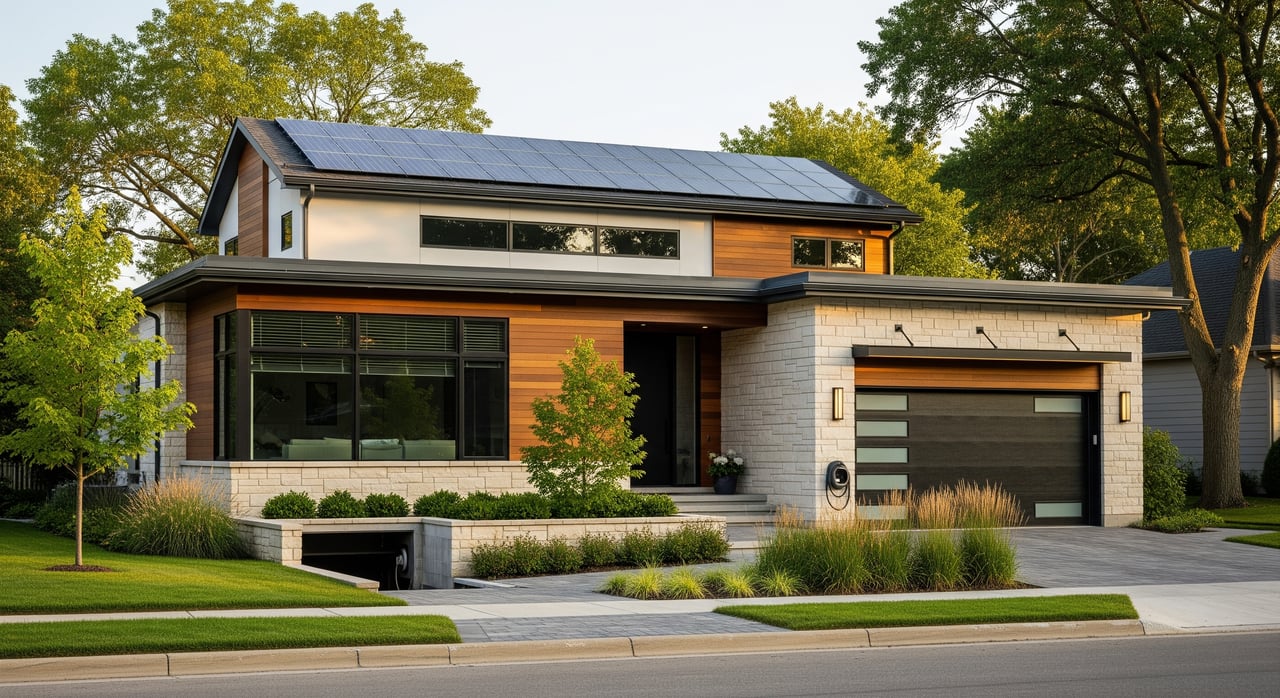
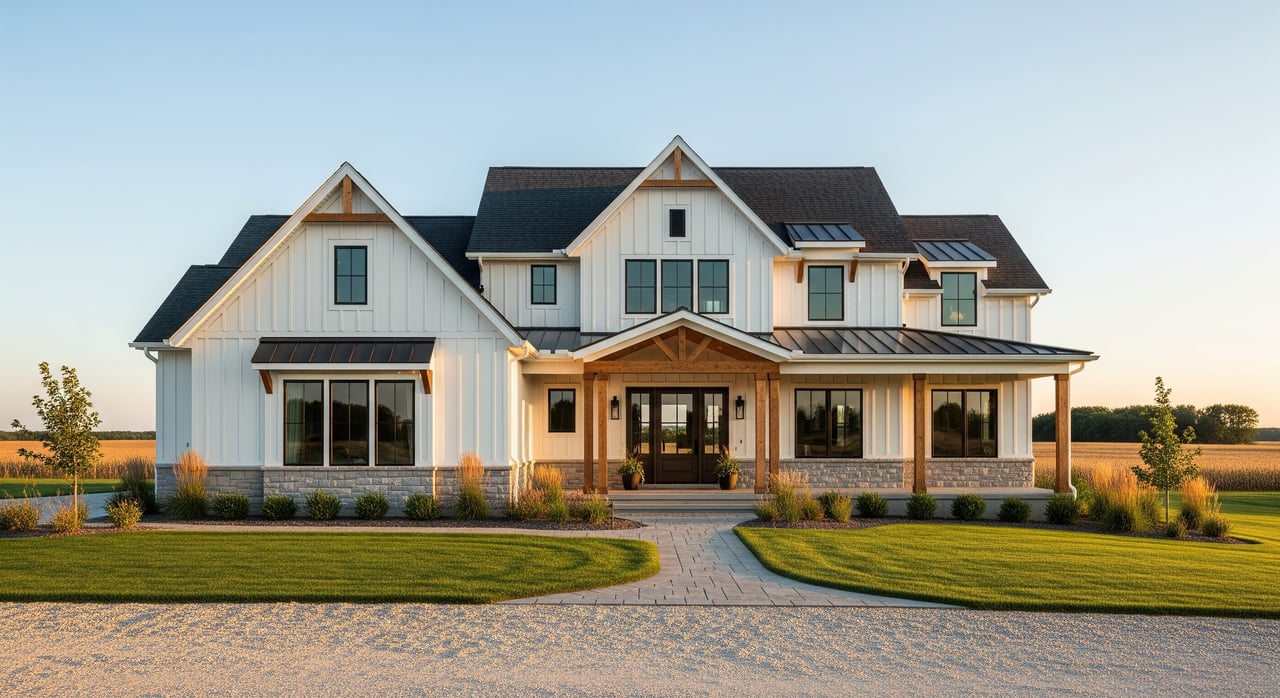
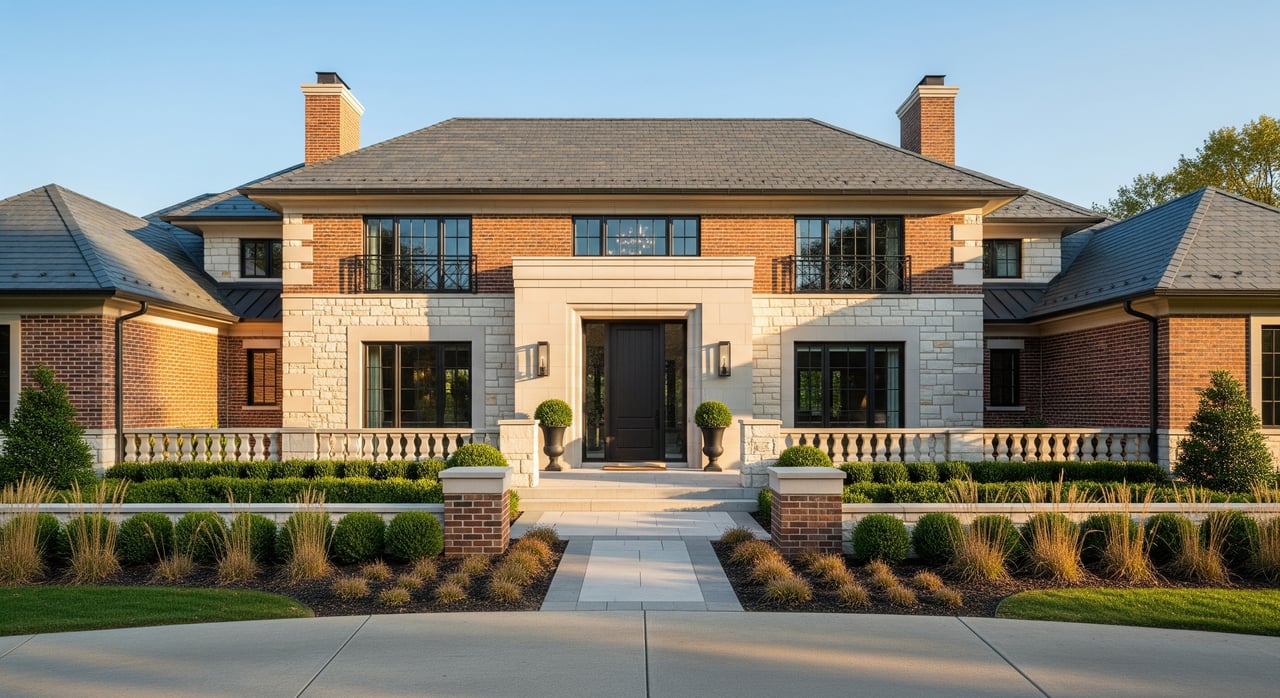
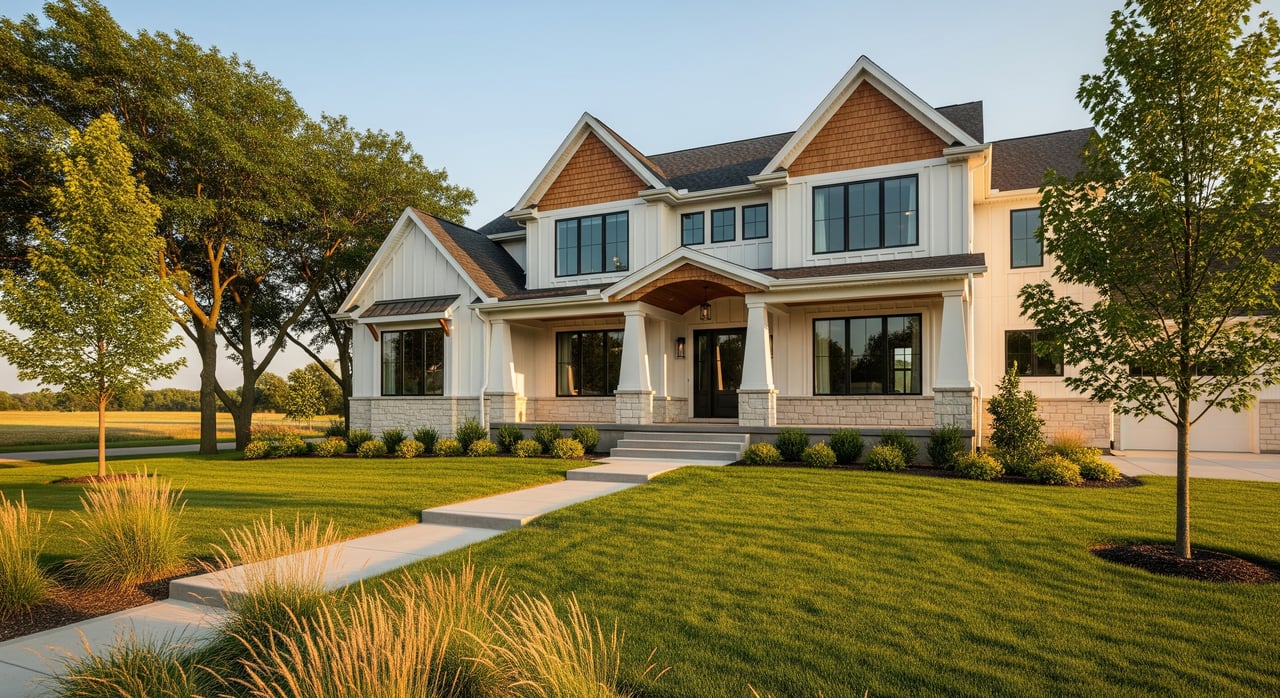
Most homes in Waukee are newer construction, including single-family houses with modern floor plans, townhomes, and apartment communities. Expect 3 to 5 bedrooms to be common in single-family options, with attached garages and usable yard space. Many planned subdivisions include neighborhood trails, play areas, and sometimes HOA amenities like pools.
You will see two general patterns:
- Newer planned communities with HOA amenities and easy access to major roads.
- Established areas closer to older corridors that offer a more settled feel.
Location tradeoffs are straightforward. Homes closer to main arterials and retail hubs mean quick errands but more traffic. Deeper interior neighborhoods offer quieter streets and parks, with a few more minutes added to your commute.
Prices in Waukee tend to run above many areas of central Iowa due to school options and proximity to job centers across the metro. The market includes both resale homes and a steady stream of new construction. Builders often have move-in-ready or spec homes available. To get a clear picture of current pricing and inventory, plan on reviewing up-to-date MLS data and recent neighborhood sales.
Commuting and getting around
Most residents commute by car. The primary routes head east toward West Des Moines and downtown Des Moines. Depending on time of day and your exact start and end points, many commutes to downtown fall in the range of roughly 20 to 40 minutes.
Public transit options are limited compared with more central neighborhoods, so owning a car is typical. Bike and pedestrian paths are growing, especially in newer developments, but most errands still require a short drive unless you live near a compact mixed-use area.
Parking is easy in residential areas and common at retail centers. Be aware that ongoing development can temporarily affect traffic or add detours near new projects.
Healthcare and essential services
You will find primary care clinics, urgent care, and dental and vision providers within Waukee. Major hospitals and specialty care are a short drive away in West Des Moines and Des Moines. Day-to-day needs like grocery stores, banks, fitness studios, and municipal services are available locally, which helps keep weekly routines simple.
Taxes, costs, and maintenance
As with most Iowa communities, property taxes and school levies are an important part of your total housing cost. Homeowners associations are common in newer communities, so factor in dues and any amenity fees. Utility costs generally align with regional averages. For budgeting, also plan on seasonal maintenance like lawn care and winter snow removal, which are common homeowner responsibilities unless your HOA or property type covers them.
Development and future outlook
Waukee continues to build. New subdivisions, retail expansions in areas like Kettlestone, school projects, and infrastructure improvements shape the local landscape. The upside is more amenities, more housing choice, and modern community spaces. The tradeoff is periodic construction and traffic changes. If you value newer homes and an evolving community, this pace of growth will likely feel like a positive.
Quick pros and cons
Pros
- Newer homes, planned neighborhoods, and modern amenities.
- Community parks, trail connections, and active recreation programs.
- Shorter car commutes into West Des Moines and downtown Des Moines.
- Broad public school options with multiple grade levels and activities.
Considerations
- Limited public transit means a car is usually necessary.
- Active construction can affect traffic and scenery in certain areas.
- Home prices often trend above many central Iowa communities.
- HOA dues and property taxes should be part of your budget planning.
Top family-friendly highlights
- Neighborhood parks and green spaces for daily play and sports.
- Trail connections, including access to regional routes like the Raccoon River Valley Trail.
- Seasonal festivals, farmers markets, and community events that bring neighbors together.
How to choose your Waukee neighborhood
Use this quick plan to narrow your search:
- Map your daily routes. List commute destinations, school drop-offs, and regular errands to identify the best quadrants of the city.
- Prioritize amenities. Decide how important walkability to parks, schools, or shops is for your household.
- Compare home types. Weigh single-family homes vs. townhomes or apartments based on space, maintenance, and HOA structure.
- Check for construction. If you are sensitive to short-term disruptions, look for areas with fewer planned projects.
- Review school details. Confirm current attendance boundaries and programs that matter to your student.
- Evaluate costs. Include property taxes, HOA dues, insurance, and utilities to understand the full monthly picture.
Is Waukee a fit for young professionals?
If you want newer housing, trail access, coffee and dining options nearby, and an easy drive to jobs across the metro, Waukee offers a strong mix. Nightlife is more low-key than downtown, but you are close enough to reach larger venues in West Des Moines or the city when you want them. For many early-stage buyers, starting with a townhome or newer apartment is a practical step before moving up to a single-family home.
Is Waukee a fit for move-up families?
Families often choose Waukee for school options, space, and community programming. You will find homes with functional layouts, usable yards, and neighborhood parks. Youth sports and activities are well supported, and weekend routines are easy with nearby shopping and services. If you value a suburban lifestyle with a short car commute, Waukee fits well.
Ready to explore homes?
When you are weighing neighborhoods, it helps to see real options on the ground and compare today’s inventory with new-build timelines. A local, construction-savvy team can help you assess condition, lot selection, HOAs, and resale potential, then negotiate with clarity and confidence. If you want tailored guidance on Waukee and the west metro, reach out to the Mauro Team for a friendly, data-backed consultation.
FAQs
What is the commute from Waukee to downtown Des Moines?
- Many drivers see roughly 20 to 40 minutes, depending on start point, destination, and traffic.
How are Waukee schools structured for growth?
- The Waukee Community School District includes multiple elementary and middle schools and at least two comprehensive high schools to serve ongoing growth.
What types of homes are common in Waukee?
- You will find newer single-family homes, townhomes, and apartments, with many planned subdivisions and some HOA amenities.
Is public transit widely available in Waukee?
- Transit options are limited, so most residents rely on a car for commuting and errands.
Where do residents shop and dine in Waukee?
- Kettlestone is the primary mixed-use hub for grocery, dining, and services, with additional options along major arterials.
Are healthcare services close by?
- Yes, Waukee has local clinics and urgent care, while major hospitals and specialty care are a short drive into West Des Moines or Des Moines.
What should I budget beyond the mortgage?
- Plan for property taxes, HOA dues where applicable, insurance, utilities, and seasonal maintenance like lawn care and snow removal.
Is Waukee safe?
- The city is typically described as a low to moderate crime suburb relative to national averages; review current local crime data for specifics.
Will construction impact my daily life?
- Ongoing development can bring short-term traffic changes, but it also means more housing choices and growing local amenities.