If you want to sell your Norwalk home with less stress and fewer surprises, preparation matters more than ever. In a balanced market, buyers are still active, but they are also comparing condition, price, and presentation carefully. The good news is that you do not need a full remodel to make a strong impression. With the right prep plan, you can focus on what buyers notice most and list with confidence. Let’s dive in.
Understand what Norwalk buyers are seeing
Norwalk is a growing market with a 2024 population estimate of 15,396, and owner-occupied housing makes up 82.5% of local homes. The city also has a median owner-occupied home value of $303,100 and a median household income of $102,722. That points to a market where many buyers are looking for homes that feel well cared for and ready to use.
Recent pricing data also shows a market that rewards realistic expectations. Public market reports placed Norwalk in the mid-$300,000 range in early 2026, with median listing prices around $347,495 and median days on market around 65. In Warren County, homes were selling at about asking on average, which tells you that condition and pricing discipline matter.
Start with visible repairs first
Before you think about upgrades, walk through your home like a buyer would. Small issues can make a home feel less cared for, even when the bigger systems are solid. Scuffed paint, loose hardware, worn flooring, dated light fixtures, and deferred exterior maintenance can stand out quickly in photos and in person.
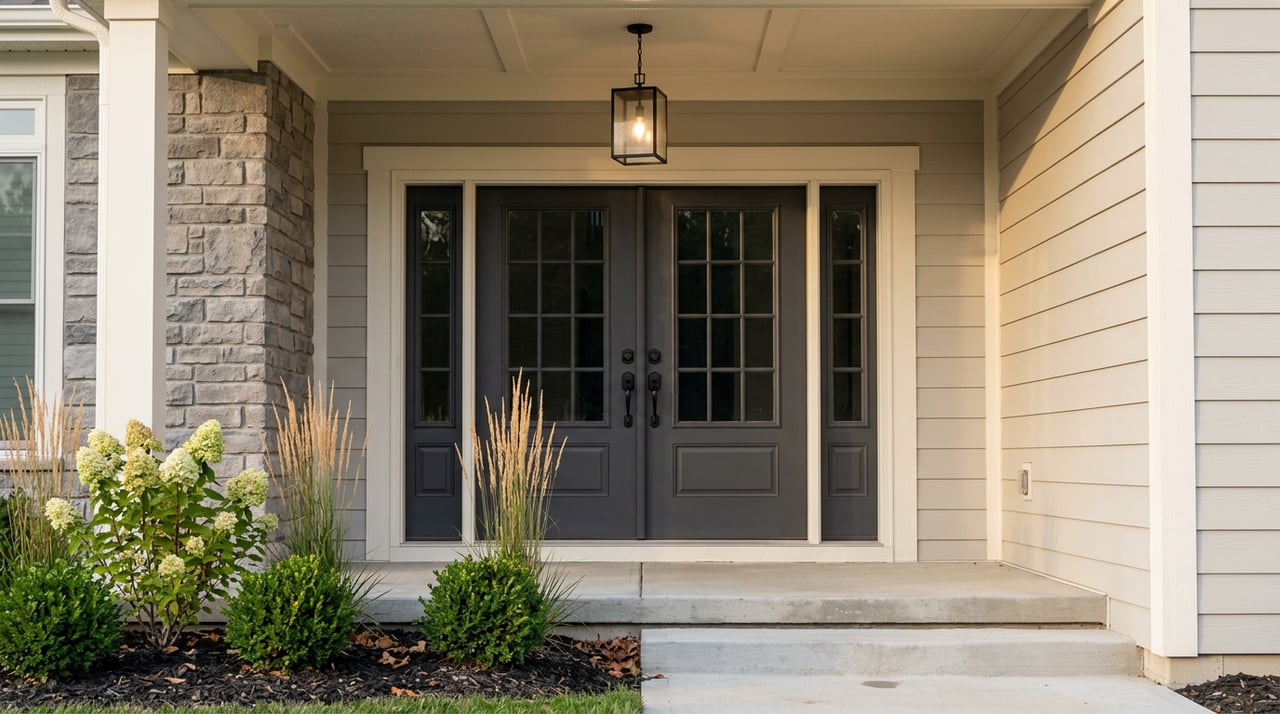
That is why visible condition should usually come before major renovation. The 2025 Cost vs. Value report found that many of the strongest returns came from exterior and high-visibility projects, including garage door replacement, steel entry door replacement, and siding-related improvements. For many Norwalk sellers, smaller cosmetic fixes and exterior touch-ups make more sense than taking on a large interior remodel before listing.
Focus on high-impact fixes
Start with the items buyers are most likely to notice right away:
- Freshen up paint where walls look tired or marked
- Repair obvious trim, drywall, or flooring damage
- Update dated or mismatched hardware if it is inexpensive to do
- Replace burned-out bulbs and improve dim lighting
- Fix leaky faucets, sticking doors, and running toilets
- Clean up exterior trim, the front entry, and basic landscaping
These projects are often more effective than expensive upgrades because they improve how your home feels from the first photo to the final showing.
Review condition issues early
In Iowa, sellers of most residential properties with one to four dwelling units must provide a seller disclosure before offer acceptance. If the disclosure is not delivered on time, the buyer may have the right to withdraw or cancel within a short window after delivery. That makes early preparation especially important.
The Iowa disclosure form asks about issues such as basement or foundation concerns, roof problems, drainage, structural damage, flood plain status, zoning, covenants, radon tests, and well or septic information when applicable. It is not a warranty and it does not replace an inspection, but it does mean you should gather information and review known issues before your home hits the market.
Gather your records before listing
A little paperwork prep can save time later. Try to collect:
- Past repair receipts
- Permit records for completed work
- Roof, HVAC, or appliance documentation
- Radon or other testing records if available
- Information related to drainage, foundation, or water issues
If your home was built before 1978, lead-based paint rules also apply. Sellers and agents must disclose any known lead-based paint or lead hazards before a sale contract is signed, provide available records, and give buyers a 10-day opportunity to conduct a lead inspection or risk assessment.
If you need to complete repairs that require approval, Norwalk’s building permit office accepts electronic permit submissions and asks for 24-hour advance notice for inspections. That is another reason to start the prep process early instead of waiting until you are ready to list next week.
Put curb appeal near the top
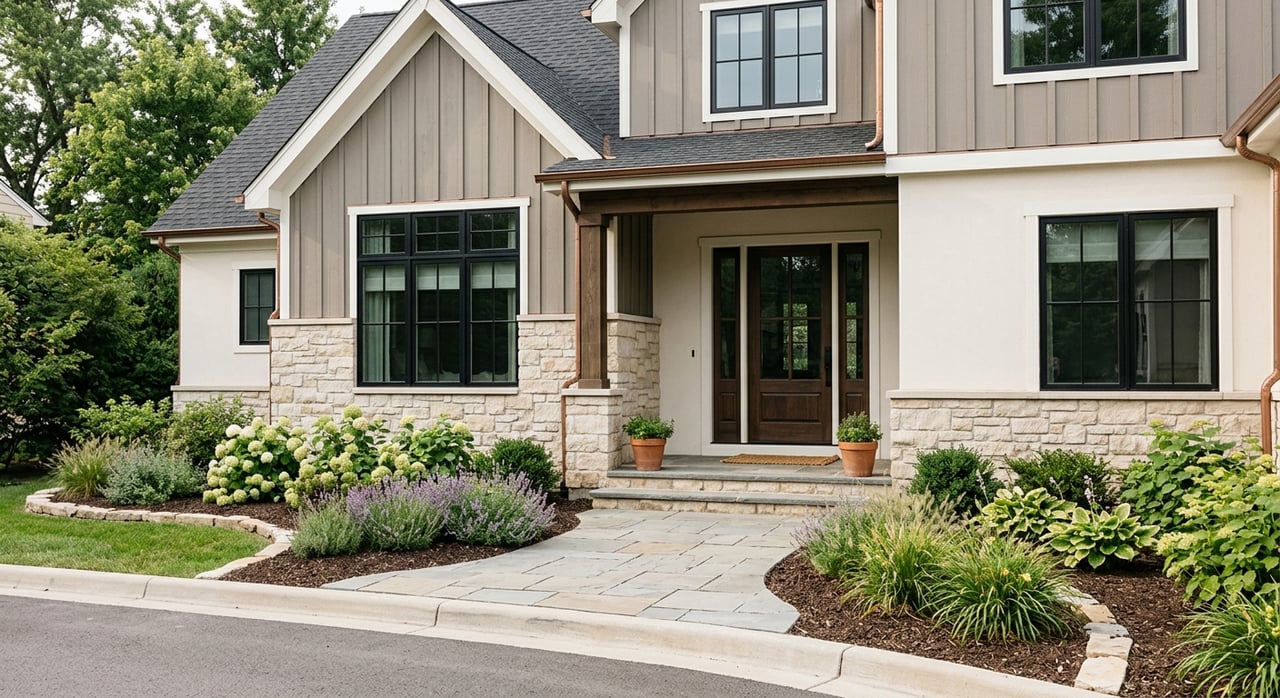
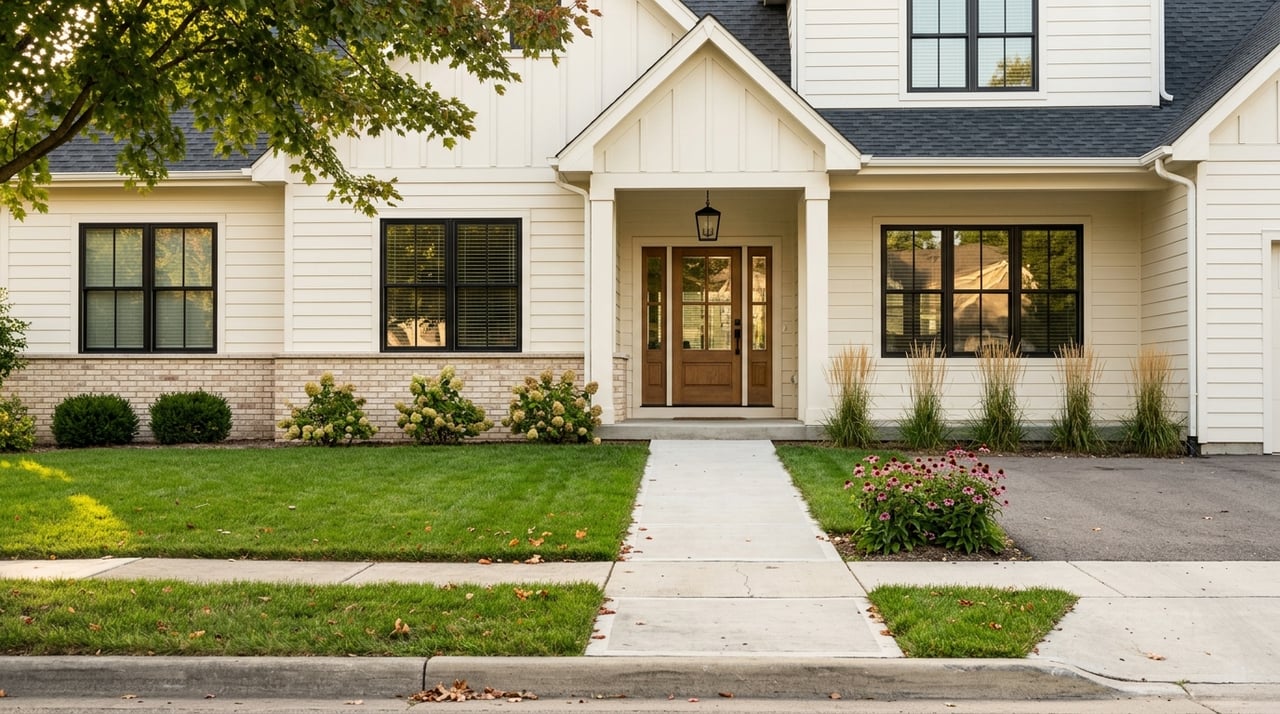
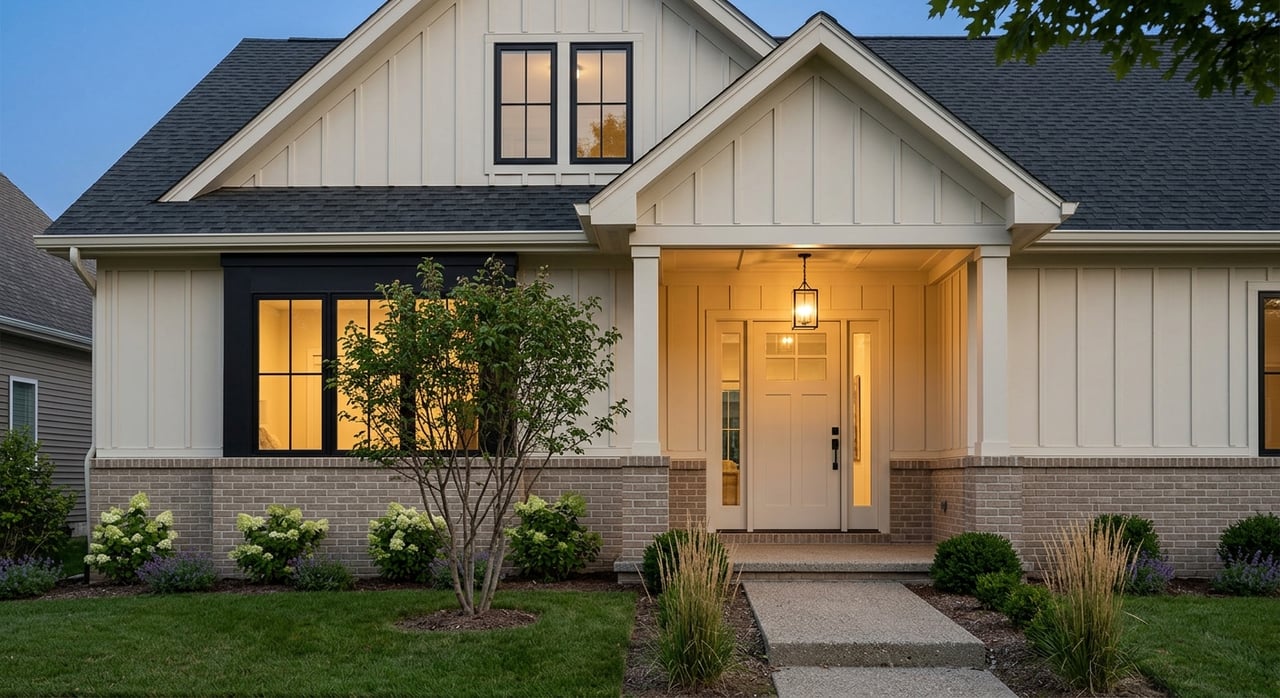
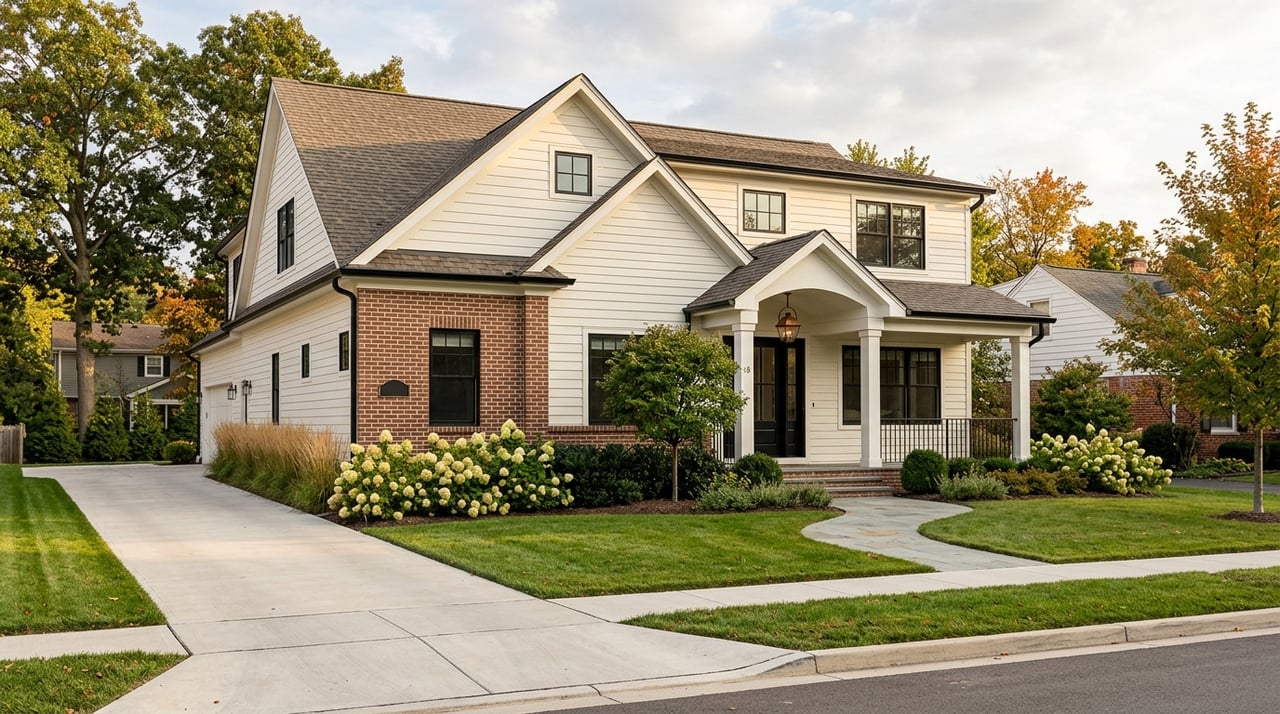
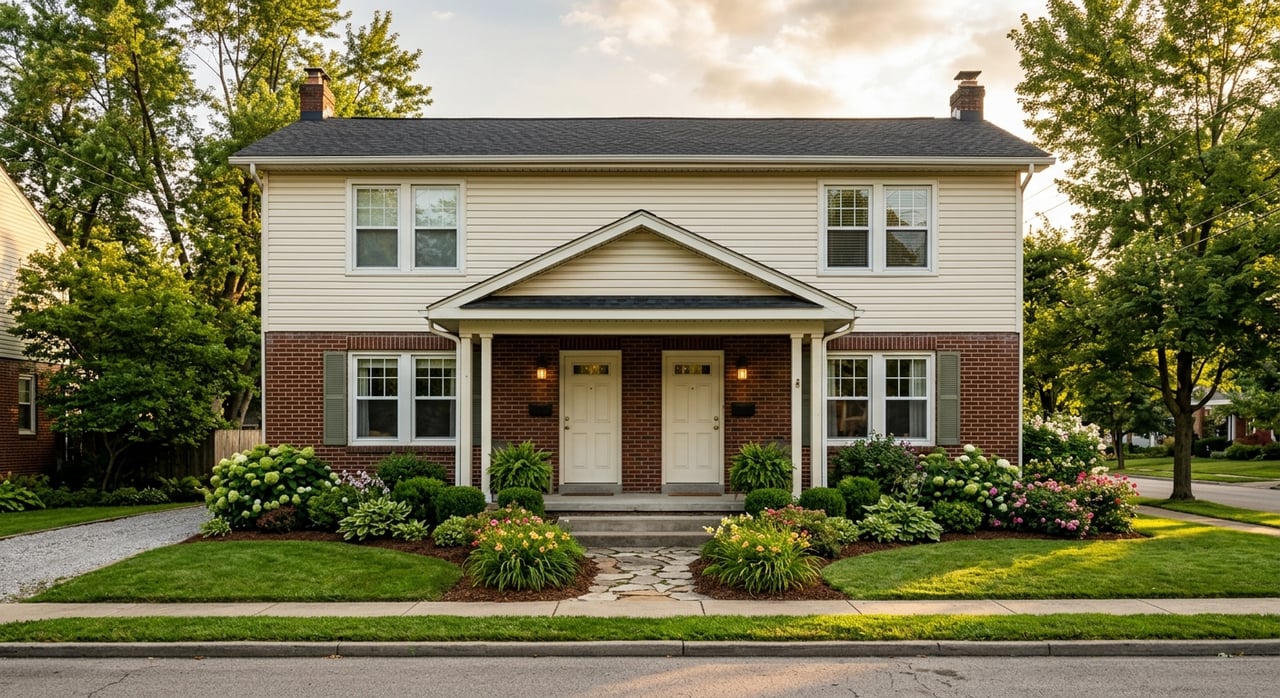
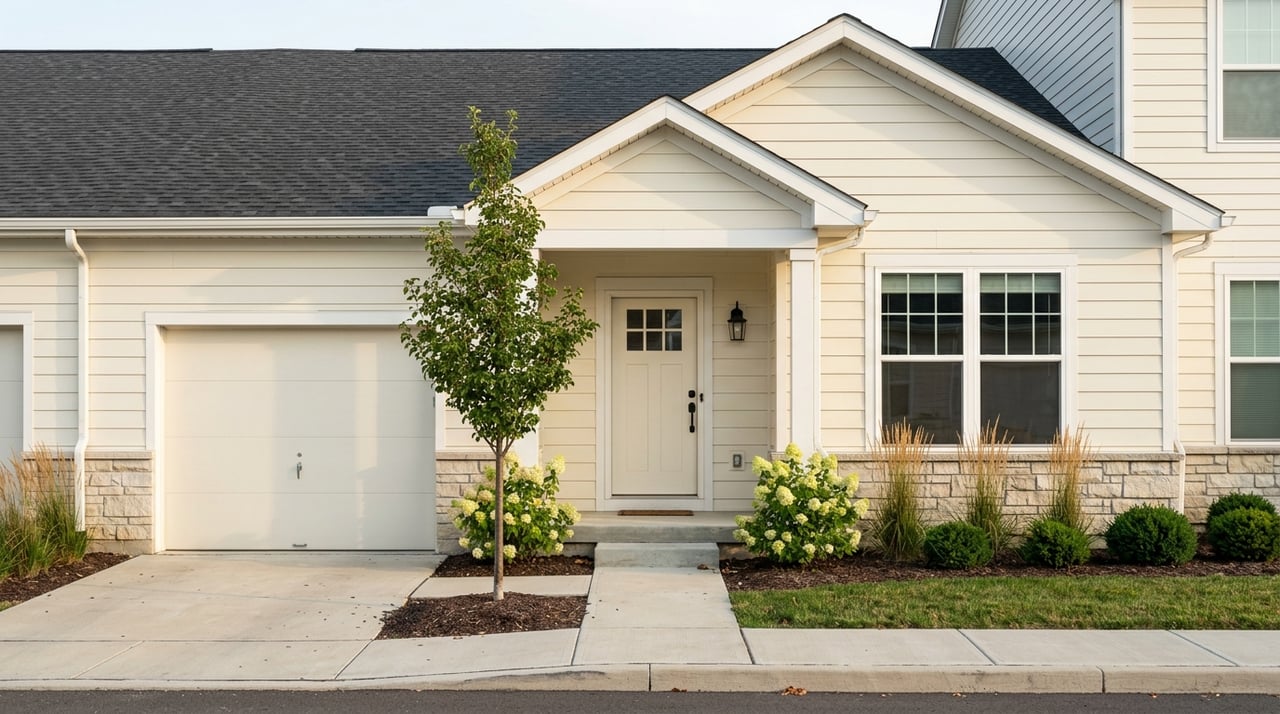
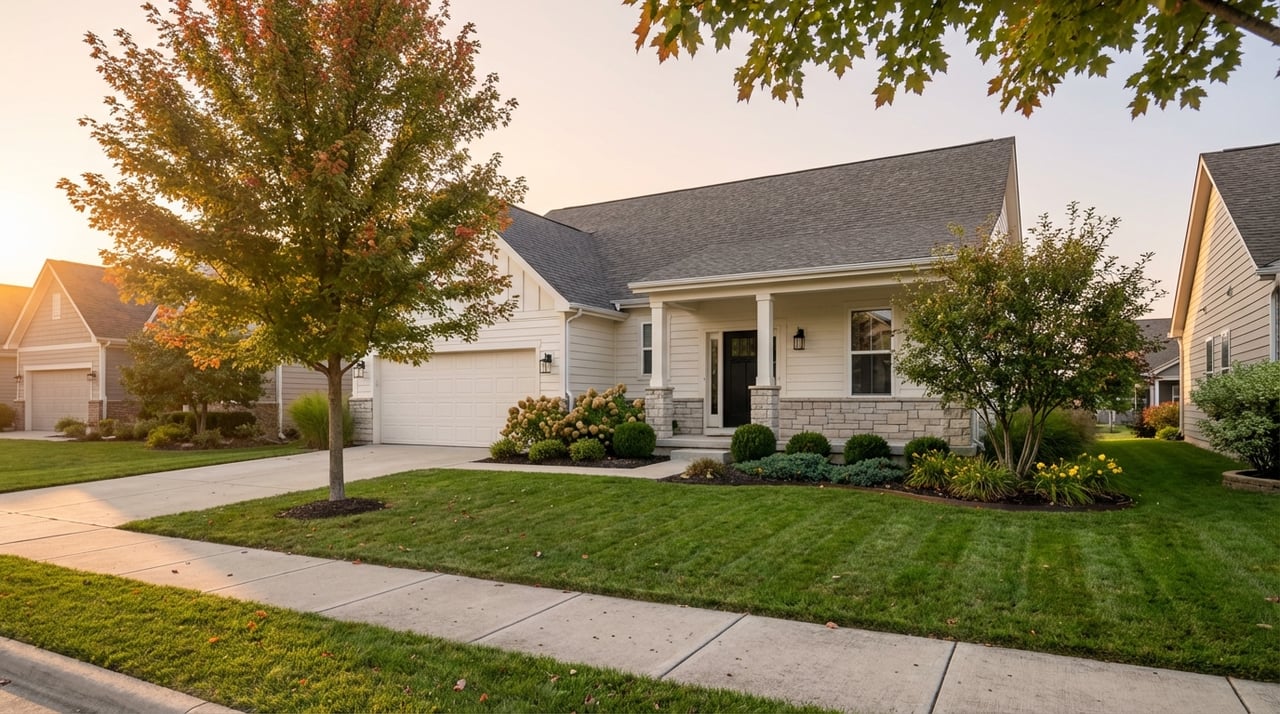
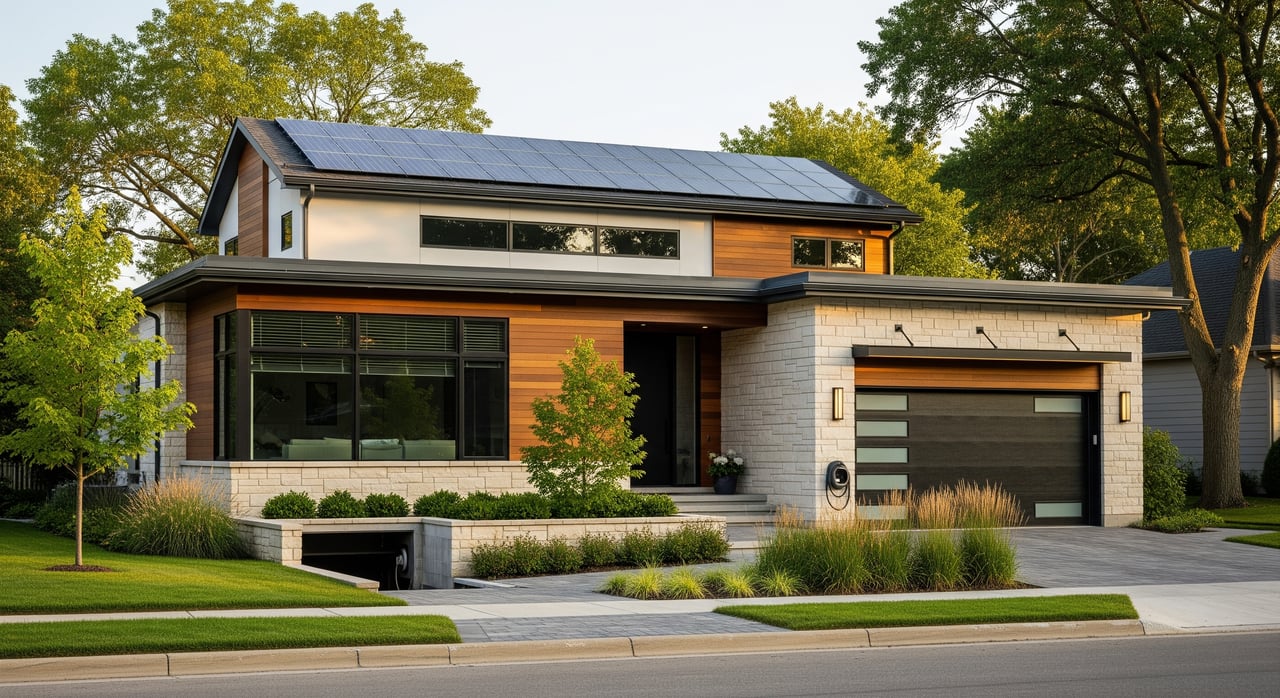
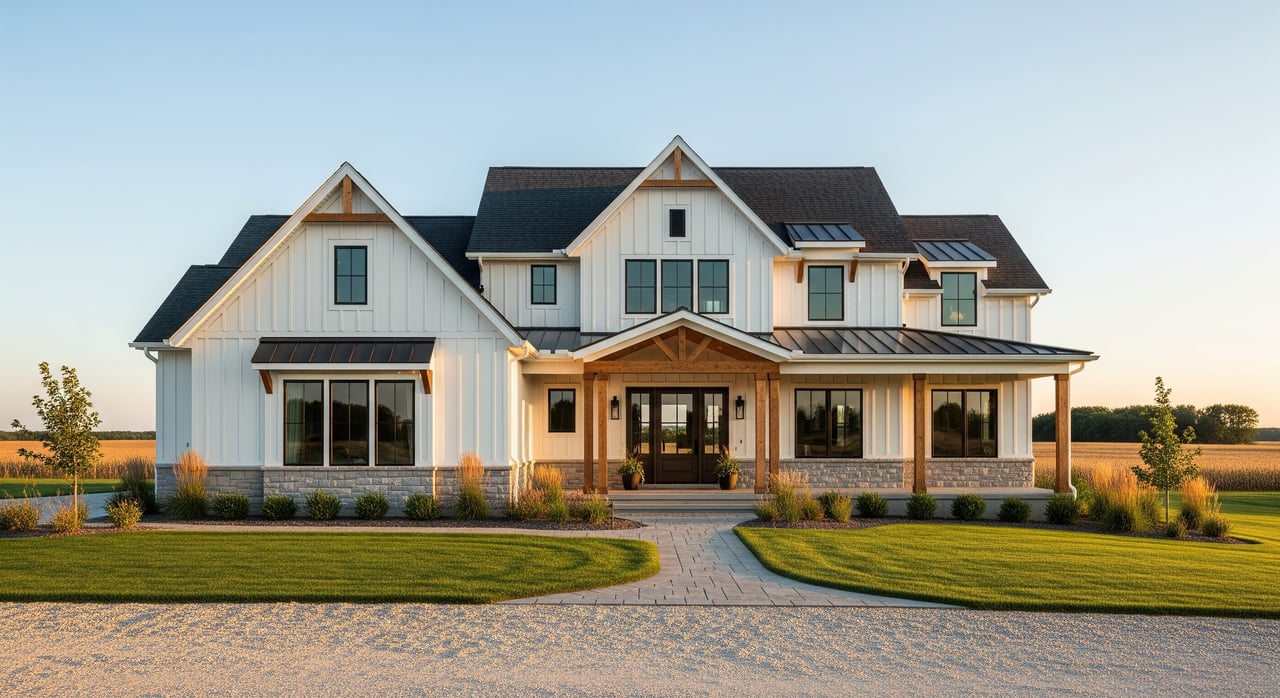
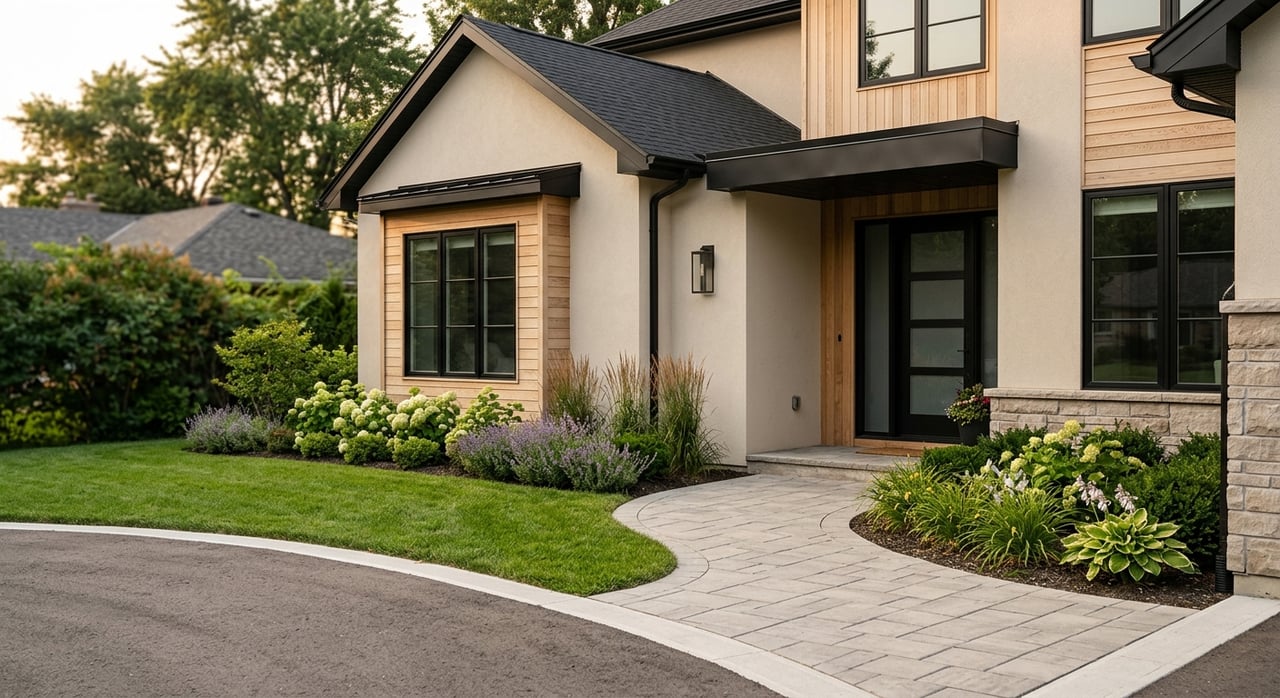
Buyers often form an opinion before they walk through the front door. Since exterior projects tend to show strong resale value, curb appeal deserves real attention. In a market where homes may take several weeks to sell, a clean and inviting exterior can help your home stand out from day one.
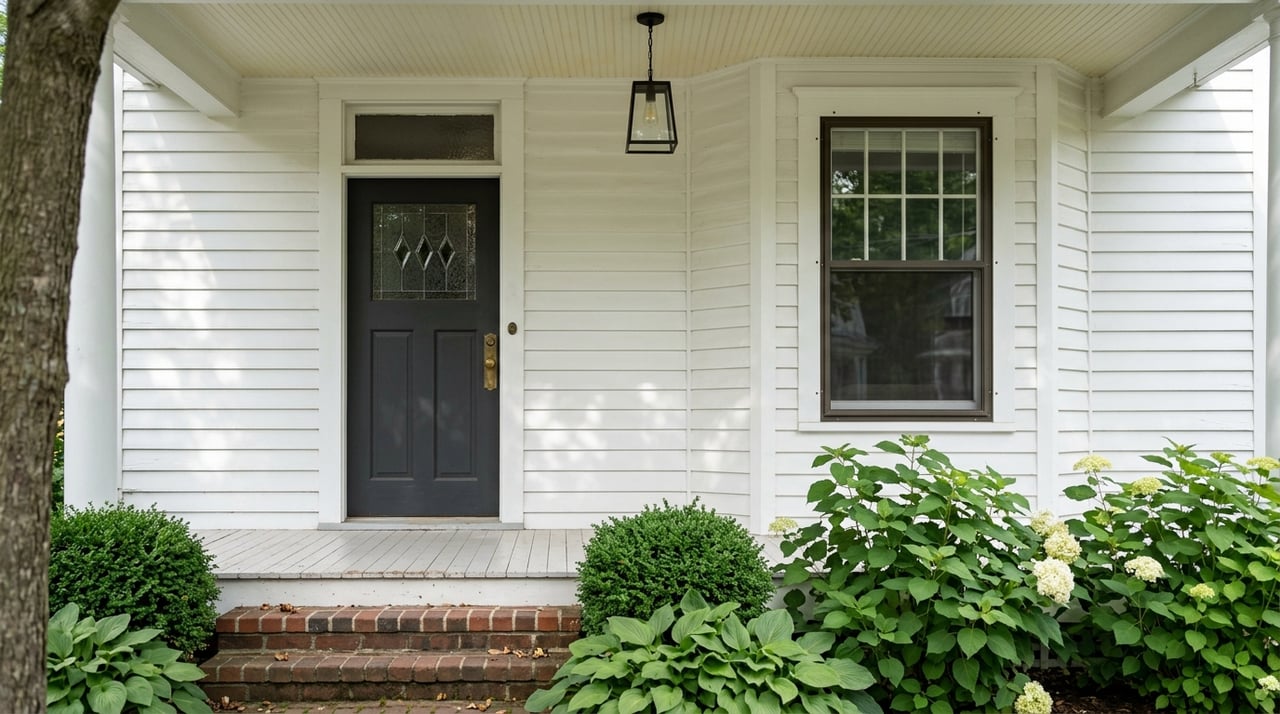
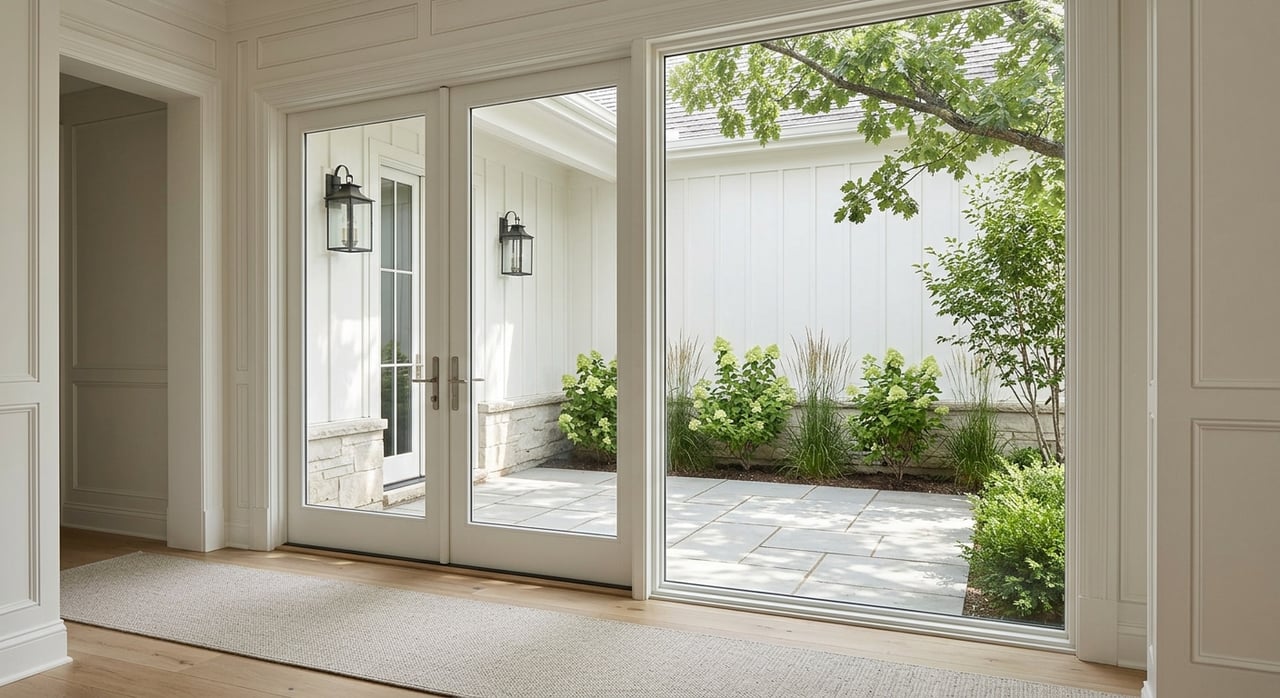
You do not need elaborate landscaping to make an impact. A neat lawn, trimmed shrubs, swept porch, clean siding, and a welcoming front door can go a long way. If your garage door or front entry looks worn, those are worth a closer look because they influence both photos and first impressions.
Stage the rooms that matter most
Staging is not about making your home look fancy. It is about helping buyers understand the space quickly and positively. According to the 2025 NAR staging report, 83% of buyers’ agents said staging made it easier for buyers to visualize a property as a future home.
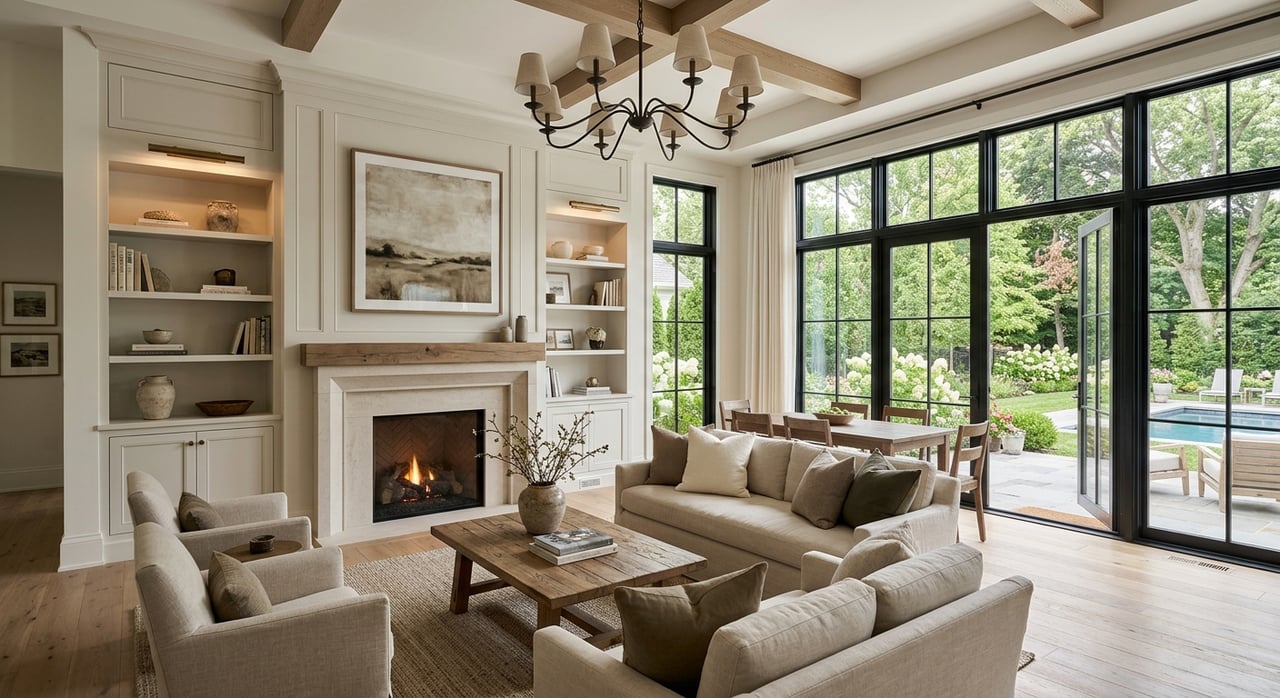
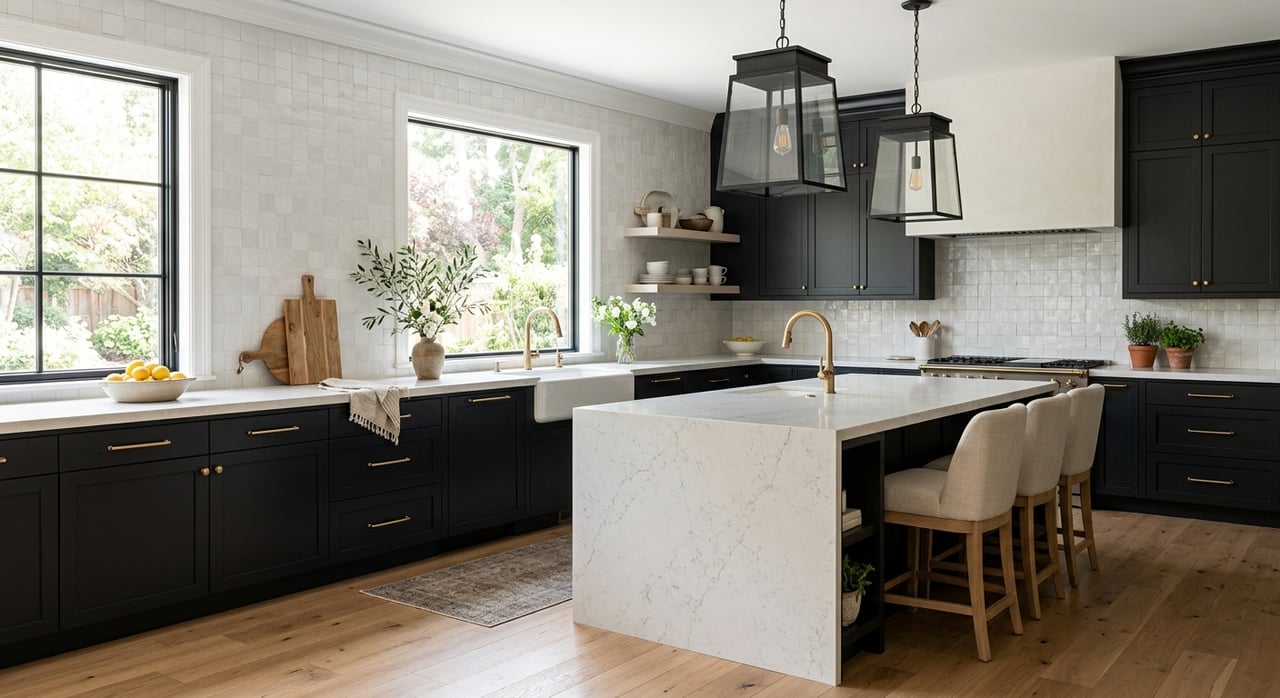
The same report found that the rooms buyers and agents viewed as most important to stage were the living room, primary bedroom, and kitchen. That gives you a clear place to start if you are deciding where to spend your time and energy.
Prioritize these spaces
Focus your effort on the areas that shape the overall impression of the home:
- Entry or front approach
- Main living room
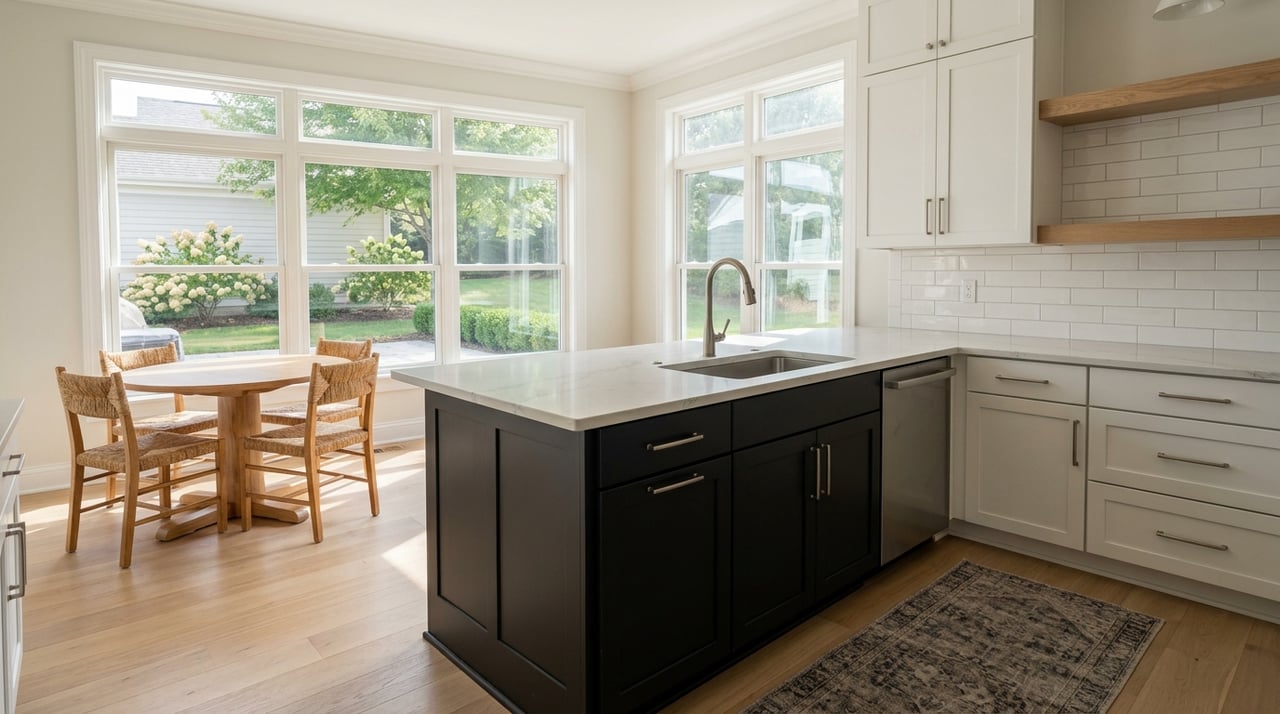
- Kitchen
- Primary bedroom
- Dining area if applicable
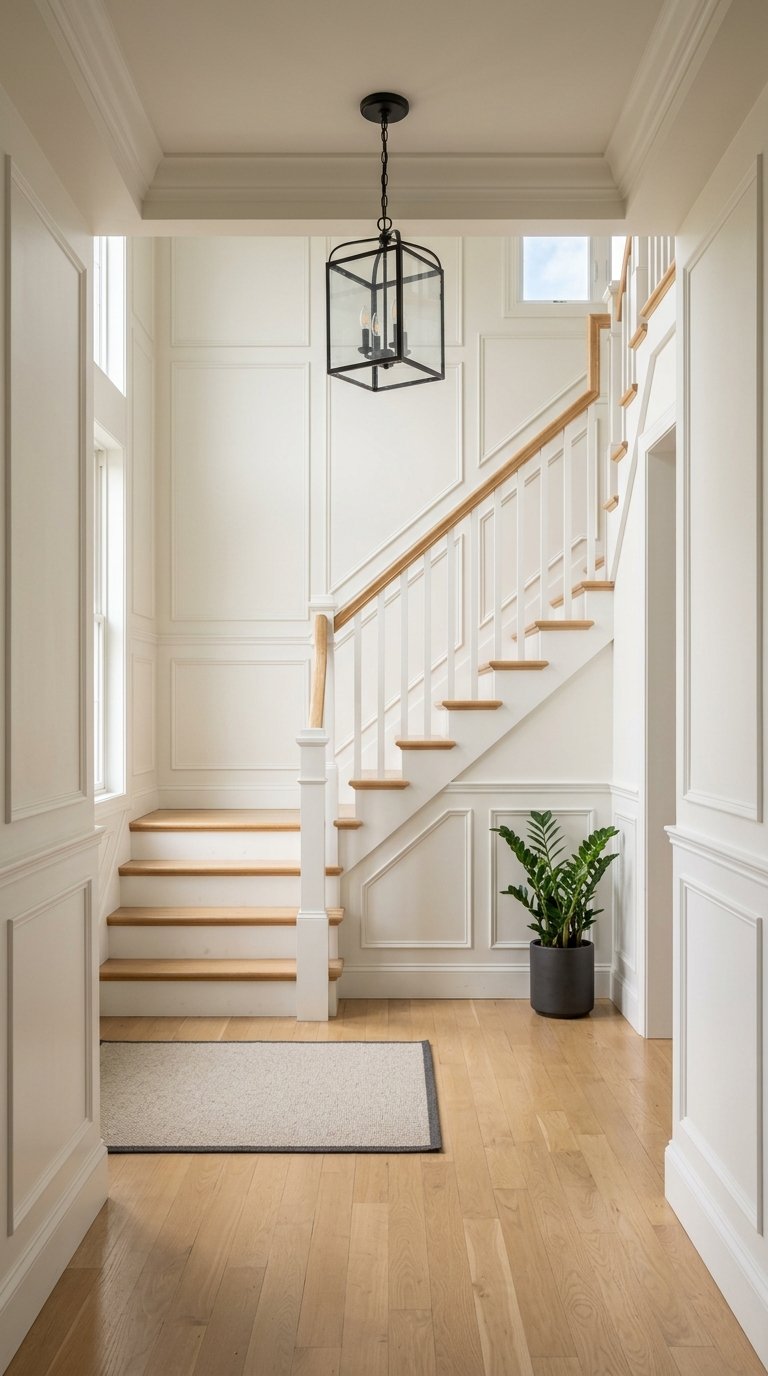
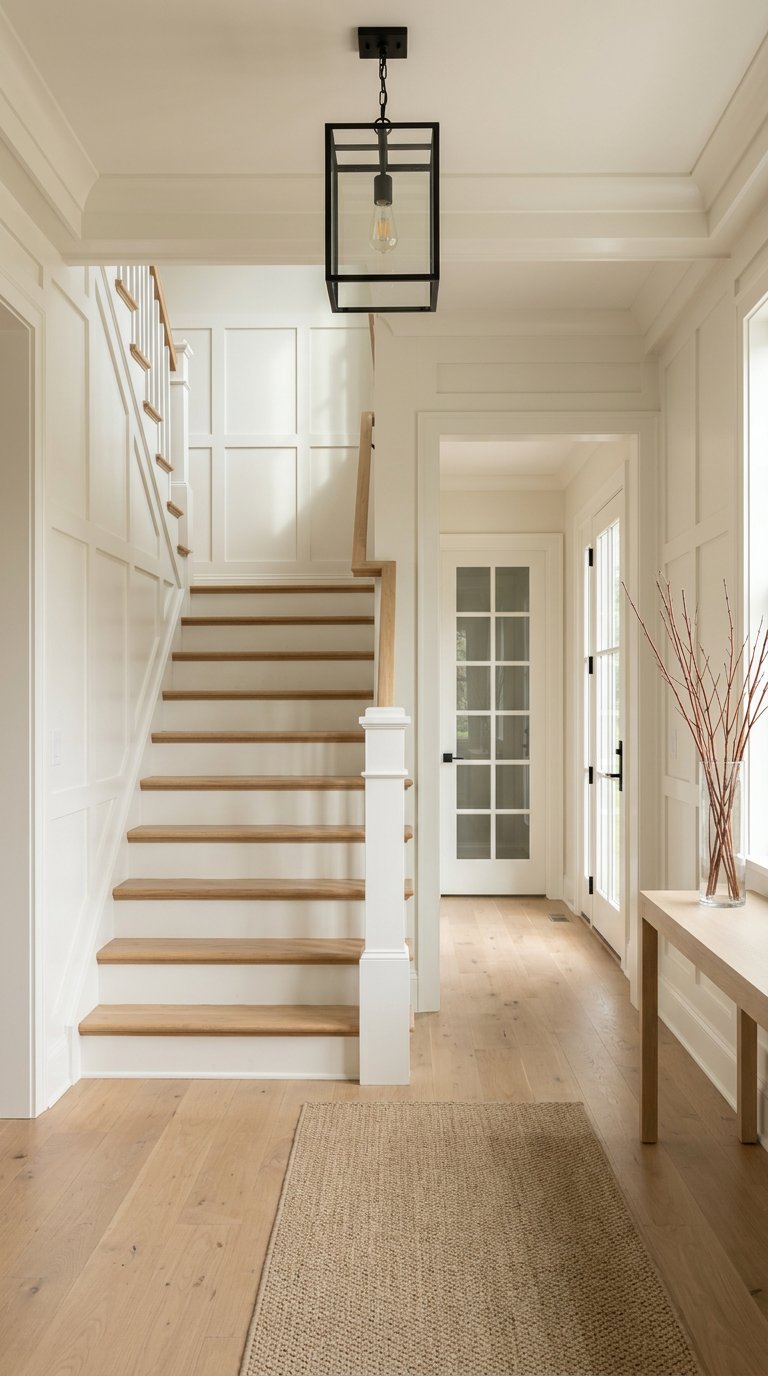
In practical terms, that means removing excess furniture, clearing counters, simplifying decor, and making each room feel open and easy to understand. Buyers should be able to see the purpose of each room without distraction.
Keep staging simple and useful
The goal is not to erase personality completely. The goal is to reduce visual noise so buyers can focus on space, light, and layout. Bright bedding, clean surfaces, open walkways, and a few well-placed finishing touches usually work better than over-styling.
If a room feels crowded, take pieces out. If a room feels dark, add light and open window coverings. If a room has become a catch-all, give it a clear function before photos are taken.
Treat photography as a core selling tool
In Norwalk, most buyers will see your home online first. Local Census data shows that 95.6% of households have a computer and 92.7% have broadband internet. That means your listing photos are not just a marketing extra. They are often the first showing.
NAR’s 2025 staging report also found that 88% of sellers’ agents rated listing photos as much more important or more important to their clients. For your sale, that means photography should be built into the prep plan from the beginning, not treated like a last-minute task.
Prepare your home for photos
Before photography day, make sure you:
- Deep clean the home
- Remove personal items and surface clutter
- Open blinds and curtains where appropriate
- Replace dim or mismatched light bulbs
- Hide cords, trash cans, and countertop extras
- Clean the front entry and outdoor approach
Try to schedule photos when the home looks brightest and the exterior is in strong shape. Since buyers will scroll quickly, your first set of images needs to feel clean, bright, and move-in ready.
Price with the current market, not your wishlist
Even a well-prepared home can lose momentum if it is priced too high. In March 2026, Warren County was described as a balanced market, with a 99% sale-to-list ratio and median days on market of 53. Norwalk itself showed median days on market of 65 and a median listing price around $347,495.
That tells you buyers are active, but they are not ignoring value. They are comparing your home to recent sales, current competition, and the level of finish they can get at similar price points.
What confident pricing looks like
A strong pricing strategy should reflect:
- Recent comparable sales
- Current competing listings in Norwalk and nearby areas
- Your home’s condition and updates
- Lot, layout, and overall presentation
- How quickly you want to attract serious interest
The Des Moines metro market also showed rising inventory and longer days on market in March 2026, even with healthy sales activity. That is another sign that preparation and pricing work best together. One without the other can slow your result.
Follow a smart Norwalk prep sequence
If you are not sure where to begin, keep the process simple. A clear order can help you avoid wasted time and avoid doing things twice.
A practical pre-listing checklist
- Walk through the home and make a list of visible repairs
- Tackle cosmetic touch-ups and obvious maintenance items
- Gather disclosures, permits, and repair records
- Declutter and stage the living room, kitchen, and primary bedroom first
- Refresh curb appeal before photos
- Schedule professional photography once the home is fully ready
- Set a price based on condition, comparable sales, and current market competition
This sequence fits what the Norwalk market is showing right now. Buyers are still buying, but they are looking carefully and making comparisons. A clean, well-prepared, accurately priced home gives you the best chance to attract strong interest without unnecessary stress.
Sell with confidence, not guesswork
Preparing your Norwalk home to sell confidently does not mean chasing every trend or over-improving for the market. It means understanding what buyers notice, handling visible issues early, getting your paperwork in order, and presenting the home clearly online and in person. When you do that well, you give yourself a better chance at a smoother sale and a stronger result.
If you want practical guidance on pricing, presentation, and what to fix before you list, the Mauro Team is here to help with a local, no-pressure consultation.
FAQs
What should I fix before selling a home in Norwalk?
- Focus first on visible issues like paint, flooring touch-ups, lighting, hardware, small plumbing problems, and exterior maintenance. In a balanced Norwalk market, condition that shows well in photos and showings often matters more than a major remodel.
How important is staging when selling a Norwalk home?
- Staging can make a meaningful difference because it helps buyers visualize how the home will function for them. The living room, primary bedroom, and kitchen are the best places to start.
Do I need professional photos for a Norwalk listing?
- Strong listing photos are very important because most buyers will see your home online first. Clean, bright, well-composed photos can help your home stand out early.
What disclosures are required when selling a home in Iowa?
- Sellers of most residential properties with one to four dwelling units must provide an Iowa seller disclosure before offer acceptance. The form covers a range of known property conditions and does not replace a buyer inspection.
Should I renovate my kitchen before selling in Norwalk?
- Usually, smaller updates and repairs make more sense than a full kitchen renovation before listing. Visible, cost-conscious improvements often align better with buyer expectations and resale value in this market.
How should I price my Norwalk home to sell confidently?
- Price should be based on recent comparable sales, current competition, and your home’s actual condition and finish level. In a market where homes are selling close to asking on average, realistic pricing is key.