If you are trying to choose between Urbandale and Clive, you are not alone. These two Des Moines metro suburbs can both offer convenient access, established neighborhoods, and a strong suburban feel, but they are not the same experience. The right fit usually comes down to your budget, the kind of housing options you want, how you think about your commute, and how closely you want to compare each specific address. Let’s dive in.
Urbandale vs. Clive at a glance
Urbandale is the larger city by both population and land area. It has 46,595 residents across 22.5 square miles, while Clive has 19,012 residents across 7.7 square miles.
That size difference shapes the home search. In general, Urbandale gives you a broader pool of homes and more price flexibility, while Clive tends to feel smaller, more compact, and more expensive.
In spring 2026, Urbandale’s median listing price was about $379,900. Clive’s asking prices varied by report and date, landing roughly between $540,000 and $604,600, so the safest takeaway is simple: Clive is usually the higher-price option.
Home prices and housing options
Urbandale offers more price flexibility
If you want more room to work within your budget, Urbandale often gives you a wider range of choices. Census data shows a median owner-occupied home value of $335,500, and the city’s housing profile points to a strong concentration of homes in the $250,000 to $399,000 range.
That does not mean Urbandale lacks higher-end homes. It does mean the city has a stronger middle-market core, which can be helpful if you want more options before moving into the upper price tiers.
Clive skews higher in price
Clive is higher-priced across the main measures in the research. Census data shows a median owner-occupied value of $401,100, and current market reports placed asking prices well above Urbandale.
For many buyers, that makes Clive feel more like a move-up or upper-bracket market. If your budget is comfortable at a higher price point, Clive may still be a great match, but it usually offers less pricing flexibility than Urbandale.
Housing mix feels different
Urbandale is best described as having a broad mix of housing options. The city itself emphasizes variety, and that tracks with its larger footprint and wider range of price points.
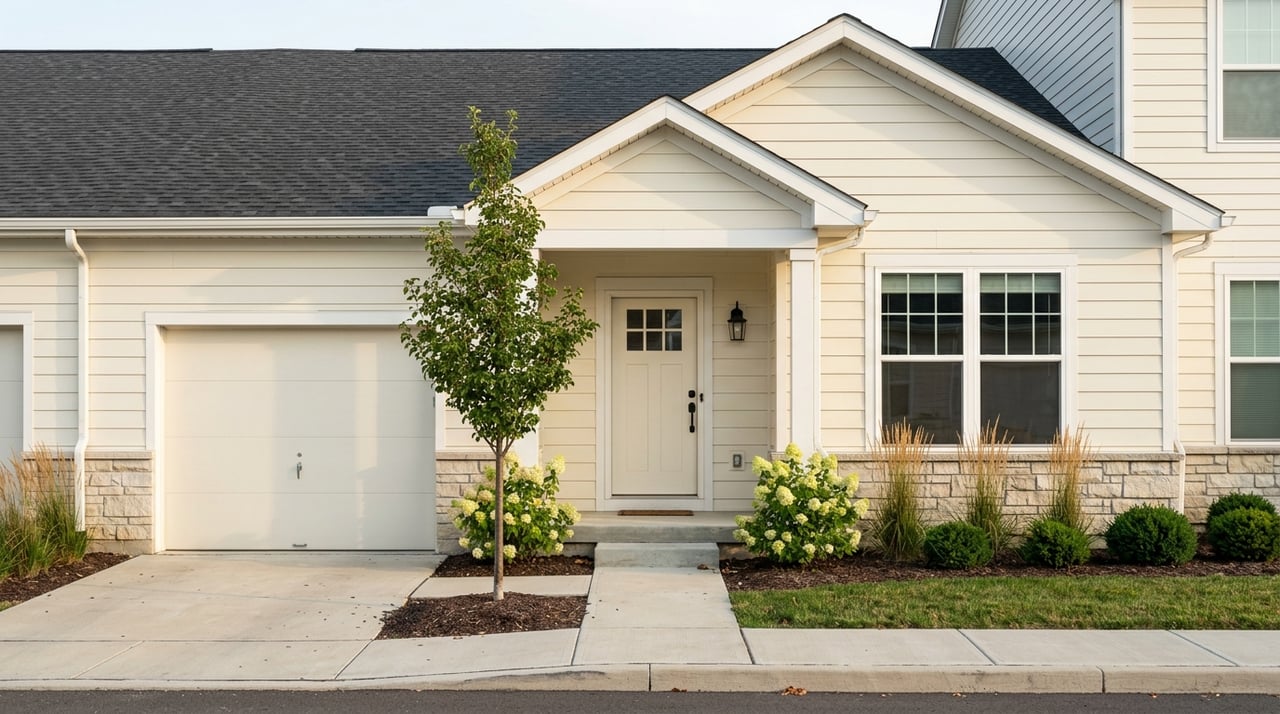
Clive appears to have a stronger pocket of attached housing, including condos and townhomes, mixed in with higher-priced detached homes. In practical terms, that means both cities offer choices, but the overall feel of the housing stock is not identical.
Inventory and search experience
Urbandale’s larger size can make the search process feel more open. Realtor.com market data showed a median days on market of 61 in Urbandale, and the broader housing pool can give you more chances to compare location, layout, and price.
Clive had only about 30 to 31 active listings in the research, with listing periods ranging from 54 to 80 days depending on the report view. That smaller inventory can make Clive feel tighter, especially if you are looking for a very specific home style or location.
If you like having more options to weigh, Urbandale may feel easier to shop. If you know you want Clive’s location and are comfortable with a narrower pool, the smaller market may still be worth it.
Commute and road access
Urbandale has broad metro connectivity
Urbandale is built around the Urban Loop and benefits from strong interstate access. The city highlights key connections around I-35/80, plus access improvements near 100th Street, Meredith Drive, and I-141.
Major local routes include 86th Street, 100th Street, Douglas Avenue, and Hickman Road. For buyers who want flexible access to different parts of the metro, that road network is a real advantage.
Clive is compact and well connected
Clive’s planning materials emphasize Hickman Road, University Avenue, and NW 86th Street, along with the role of I-235 and I-80. That can make Clive especially convenient if your regular routes pull you toward West Des Moines or through the central metro interstate grid.
The difference in commute time is not dramatic. Census Reporter’s ACS data shows average commute times of 18.9 minutes in Urbandale and 20.7 minutes in Clive.
Route convenience matters more than minutes
Because average commute times are close, this choice is usually less about the raw number of minutes and more about where you need to go most often. A home that saves you turns, traffic stress, or daily backtracking may be a better fit even if the average commute data looks similar on paper.
That is why it helps to compare actual addresses, not just city names. The best answer often comes from mapping your real routines.
School district boundaries require address-level review
This is one of the most important parts of the decision. City limits do not determine school assignment. The parcel does.
Urbandale may be simpler to explain at a high level because the city reports that the entire Urbandale Community School District lies within city boundaries, even though some Urbandale addresses also fall into other districts. That means you still need to confirm the exact property.
Clive is more boundary-sensitive. West Des Moines Community Schools says its district includes parts of Clive, and Waukee Community School District also serves students from Clive.
If school assignment is a major factor for your move, do not rely on a mailing address or a city label. Review each home by parcel before you make assumptions.
Property taxes and ownership costs
Urbandale says it maintains one of the lowest city tax levy rates in the metro area. The city also explains that property taxes in Iowa fund local services, and that the school district is typically the largest share of the bill.
That matters because your total tax bill is shaped by more than the city name. The exact parcel, school district, county, and other taxing entities all affect what you pay.
For both Urbandale and Clive, comparing taxes by address is the smart move. In Clive especially, district variation can change the school-tax portion of the bill, so two homes in the same city may not carry the same ownership cost structure.
Lifestyle feel and day-to-day fit
Urbandale feels broader and more flexible
Urbandale is often the better fit if you want a larger suburb with a wider housing pool, more pricing latitude, and strong access to a range of metro routes and amenities. The city also highlights 55-plus parks and 50-plus miles of trails.
That combination can appeal to buyers who want options. Whether you are buying your first home, moving up, or trying to balance budget with location, Urbandale often gives you more ways to make the numbers work.
Clive feels more compact and premium
Clive’s appeal is different. The city’s planning documents emphasize the Greenbelt as a distinctive regional trail and community feature, with connected nodes, public art, and a focal area near NW 114th Street.
That gives Clive a more compact, trail-oriented identity. If you want a smaller community feel and are comfortable shopping in a higher price bracket, Clive may line up well with your priorities.
Which city may fit you best
Choose Urbandale if you want:
- More price flexibility
- A broader range of housing options
- A larger suburb with more inventory
- Easy access to multiple metro routes
- More room to compare homes across price tiers
Choose Clive if you want:
- A smaller, more compact community
- A higher-priced market with a more premium feel
- Strong connection to the west-metro corridor
- A location with a distinct trail and greenbelt identity
- A search focused on a narrower, more specific market
In many cases, the decision is less about which city is better and more about which city matches your budget and daily routine. A buyer who wants flexibility may lean toward Urbandale, while a buyer who wants a compact setting and is comfortable with higher prices may prefer Clive.
Final thoughts on Urbandale or Clive
If you are deciding between these two suburbs, start with the basics: your target budget, your preferred home style, your daily driving patterns, and the exact addresses you are considering. On paper, Urbandale is usually the more flexible option, while Clive is usually the more premium and compact one.
The good news is that both can work well depending on what matters most to you. If you want help comparing neighborhoods, reviewing available homes, or narrowing the search based on your budget and goals, the Mauro Team is here to help.
FAQs
Is Urbandale or Clive more affordable for homebuyers?
- Urbandale is generally the more affordable option, with a lower median listing price and a stronger middle-market range than Clive.
Are commute times very different between Urbandale and Clive?
- No. The research showed similar average commute times, so route convenience and your destination usually matter more than a big time difference.
Do Urbandale and Clive homes fall into one school district each?
- No. School assignment depends on the specific parcel, not just the city, so you should verify the district for each address you are considering.
Does Clive have fewer homes for sale than Urbandale?
- Yes. The research showed a smaller active listing count in Clive, which can make the market feel tighter than Urbandale.
Should you compare property taxes by city or by address in Urbandale and Clive?
- You should compare by address, because total property taxes can vary based on the parcel, school district, county, and other taxing entities.