Thinking about buying a historic home in Des Moines? It is easy to fall for the charm first, then realize later that older homes come with very specific rules, maintenance needs, and inspection questions. If you want the character without costly surprises, it helps to know what to look for before you write an offer. Let’s dive in.
What Counts as a Historic Home?
In Des Moines, not every older home is considered historic in the same way. Some homes sit in a local historic district, some are in a national historic district, and some are simply older homes with vintage character.
That distinction matters because local historic district rules can affect what exterior work needs city approval. Des Moines separates local historic districts from national historic districts on its GIS map, and the city’s Show Me My House tool can help you screen an address. The city also notes that the tool is approximate, so you should verify the property with source data before moving forward.
Where You’ll Find Older Homes in Des Moines
Many buyers think of one neighborhood first when they picture a historic home, but Des Moines has older character homes in several parts of the city. Sherman Hill is the city’s oldest neighborhood, dating to the 1870s, and it became Des Moines’ first local historic district in 1982.
PlanDSM also highlights preservation-related neighborhoods such as Beaverdale, River Bend, Waterbury, Waveland Park, and Woodland Heights. For you as a buyer, that means historic and older homes are not limited to one pocket of Des Moines. You may have several location options depending on your budget, style preferences, and commute.
Why Local District Status Matters
If a home is in a local historic district, exterior changes are not handled the same way as a typical remodeling project. Des Moines’ historic preservation ordinance says exterior construction or exterior alteration in a historic district cannot move forward without a certificate of appropriiateness.
The city defines exterior features broadly. That can include materials, windows, doors, light fixtures, and signs, not just major additions or structural work. If you are buying a home with plans to update the outside, district status should be one of your first due diligence steps.
Common Features in Older Des Moines Homes
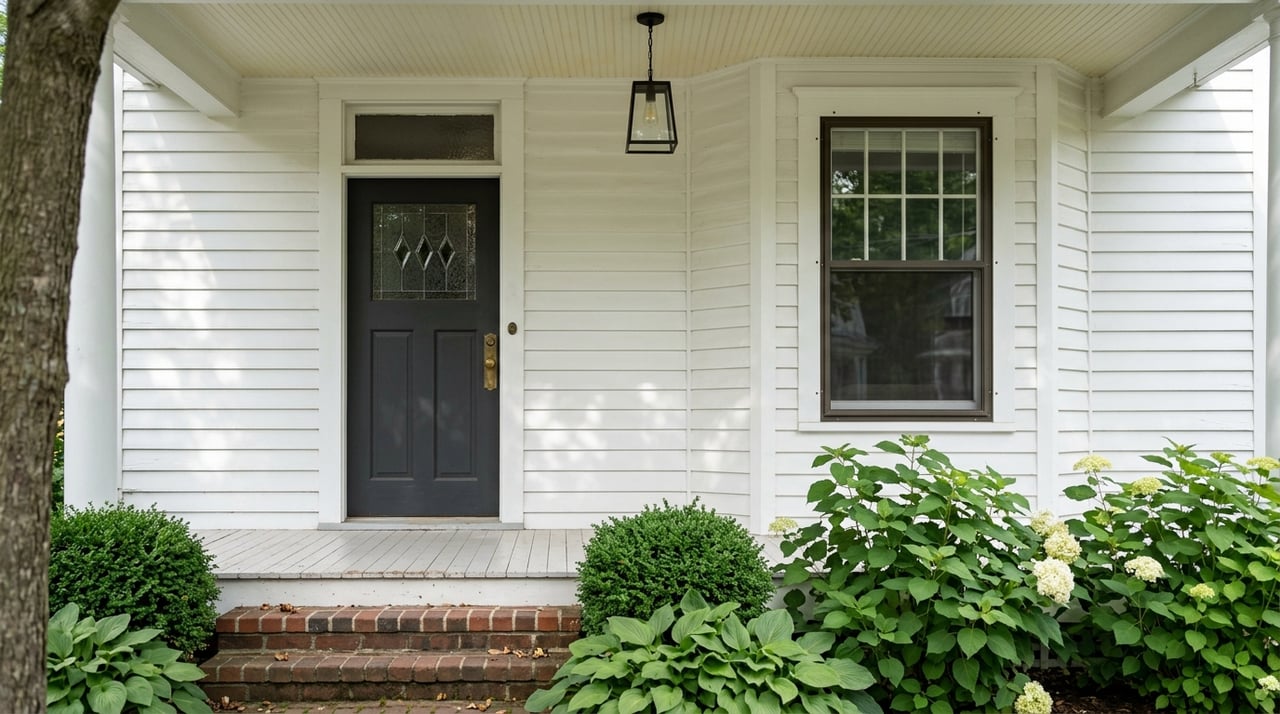
Older Des Moines homes often include architectural details that buyers love and that are worth preserving. City zoning materials describe pre-war bungalows, Craftsman homes, and Victorian houses with features like square footprints, deep eaves, attic dormers or gable windows, and taller floor-to-floor heights.
Inside, you may see original trim, porches, masonry, wood siding, and plaster walls and ceilings. Plaster was the preferred interior wall finish for most buildings until the 1930s or 1940s, so it is common in older homes here. These details add personality, but they also call for a different mindset than a newer home remodel.
Think Preservation, Not Just Remodeling
When you buy a historic home, repairs should be approached thoughtfully. Preservation guidance emphasizes maintaining historic materials and features whenever possible instead of removing and replacing them by default.
That does not mean you cannot improve the home. It means the best plan often starts with understanding what is original, what has already been changed, and what features define the home’s character. In many cases, repair and compatible replacement are better long-term choices than a full strip-out.
Moisture Is the Biggest Risk
If there is one issue to pay close attention to in an older home, it is moisture. Preservation guidance identifies uncontrolled moisture as the most common cause of deterioration in older and historic buildings.
Common trouble spots include roof leaks, flashing failures, ground moisture, rain runoff, foundation cracks, and gaps around plumbing or electrical penetrations. Even a beautiful, well-kept home can have hidden water issues behind walls, in attics, or around foundations. A careful inspection can save you from buying into expensive repairs.
Inspection Questions to Ask
When touring or inspecting a historic home in Des Moines, ask direct questions about water and maintenance history. A charming front porch and original woodwork are great, but they should not distract you from the basics.
Focus on questions like these:
- How old is the roof?
- Has flashing been repaired or replaced?
- Are the gutters functioning properly?
- Is there attic staining or evidence of past leaks?
- Has the basement had seepage or water intrusion?
- Are there signs of rot, masonry damage, or recurring moisture issues?
Water infiltration is a primary cause of decay in older homes, so any signs of staining, rot, spalling, or repeat leaks deserve extra attention.
Windows, Insulation, and Energy Updates
Many buyers assume older windows must be replaced right away, but that is not always the best first move. Preservation guidance notes that loose windows and doors and cracks around foundations are common air-leak sources, and repairing and weatherstripping existing windows and doors is often part of a smart strategy.
Insulation also needs a careful approach. Adding insulation inside historic wall assemblies can trap moisture, so attic and basement insulation are often safer starting points when they can be installed with minimal damage. If energy efficiency is one of your goals, look for solutions that improve comfort without creating new moisture problems.
Mechanical, Electrical, and Plumbing Updates
Historic homes can also require major system updates over time. Electrical, plumbing, and HVAC work can be expensive, especially when the job needs to be done carefully around original materials and finishes.
That is why records matter. Ask for documentation on major updates to the electrical system, plumbing, HVAC, insulation, roof, porch, and windows. Those records help you understand what has been modernized, what may still need attention, and whether the work fits the home’s age and character.
Lead Paint Is a Key Buyer Issue
If the home was built before 1978, lead-based paint should be part of your due diligence. Buyers of most pre-1978 homes have the right to known lead-based paint disclosures, copies of available reports, a lead warning statement, the federal lead pamphlet, and an opportunity to evaluate the home for lead hazards before becoming obligated under the contract.
Lead risks can increase when paint is worn, especially on high-friction surfaces like doors and window sills that create chips and dust. That does not mean every older home is unsafe, but it does mean you should review disclosures carefully and understand what testing or abatement records exist.
Check Past Exterior Work Carefully
For historic homes in Des Moines, it is important to confirm not only what work was done, but whether it had the approvals required at the time. If the property is in a local historic district, exterior alterations require a certificate of appropriateness before a building permit can be issued.
Ask the seller for records of exterior projects such as porch repairs, window work, siding changes, roofing, doors, or other visible updates. This can help you avoid inheriting unresolved review issues and gives you a clearer picture of what is original versus altered.
Ask About Potential Iowa Incentives
Depending on the property and the work you plan to do, there may be state or local incentive programs worth exploring. The Iowa Department of Revenue lists an Iowa Historic Property Rehabilitation Property Tax Exemption that can apply for up to four years for qualifying historic property.
The state also describes historic preservation tax credits and county historic property tax exemptions for qualifying rehabilitation projects. Eligibility depends on the property, the scope of the project, and how the property is used. If incentives matter to your budget, it is smart to ask about them early.
A Simple Buying Approach
Buying a historic home in Des Moines usually comes down to balancing character with documentation and condition. The homes that feel the most special often need the most careful review.
A practical approach looks like this:
- Confirm whether the home is in a local historic district, national historic district, or neither.
- Review records for major repairs and updates.
- Pay close attention to moisture, roofing, basement conditions, and drainage.
- Understand any lead paint disclosures for pre-1978 homes.
- Think in terms of preservation-minded repairs, not automatic replacement.
- Ask whether the property may qualify for Iowa historic incentives.
Why Local Guidance Helps
Historic homes are rarely one-size-fits-all. Two houses built around the same time can have very different maintenance histories, renovation quality, and approval needs.
That is where local experience matters. When you work with a team that understands Des Moines neighborhoods, older housing stock, and the practical side of inspections and updates, you can make a more confident decision and avoid missing details that matter.
If you are considering a historic home in Des Moines and want clear, practical guidance, schedule your free consultation with the Mauro Team.
FAQs
What makes a home historic in Des Moines?
- In Des Moines, a home may be in a local historic district, a national historic district, or simply be an older home with historic character. Local historic district status matters most for exterior review rules.
Do historic homes in Des Moines need city approval for exterior work?
- Yes, homes in a local historic district generally need a certificate of appropriateness for exterior construction or exterior alterations before a building permit can be issued.
What should you inspect first in an older Des Moines home?
- Start with moisture-related issues such as roof leaks, flashing, gutters, attic staining, basement seepage, drainage, and foundation concerns because water is a major cause of deterioration in older homes.
Are old windows always a problem in historic homes?
- Not necessarily. Repairing and weatherstripping existing windows and doors is often a good first step, and full replacement is not always the best or safest approach for a historic home.
Do Des Moines historic homes qualify for tax benefits?
- Some may. Iowa lists a historic property rehabilitation property tax exemption, along with other potential historic preservation tax benefits, but eligibility depends on the property and project details.