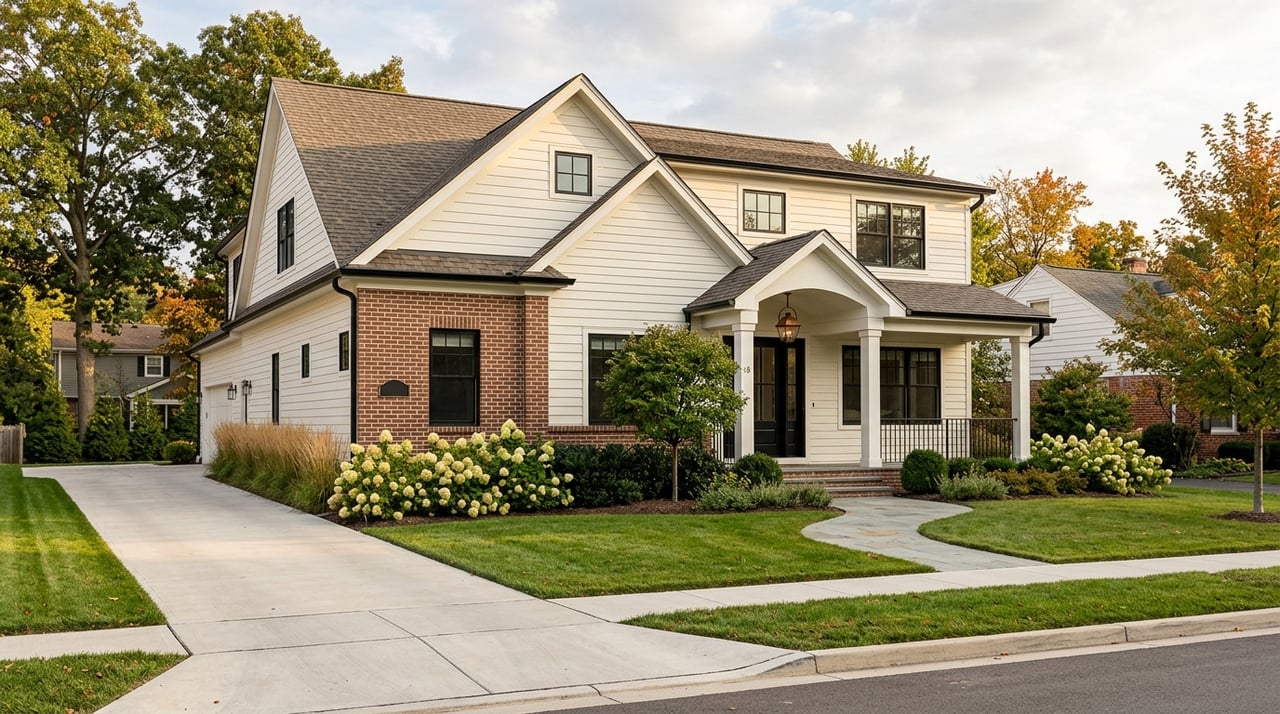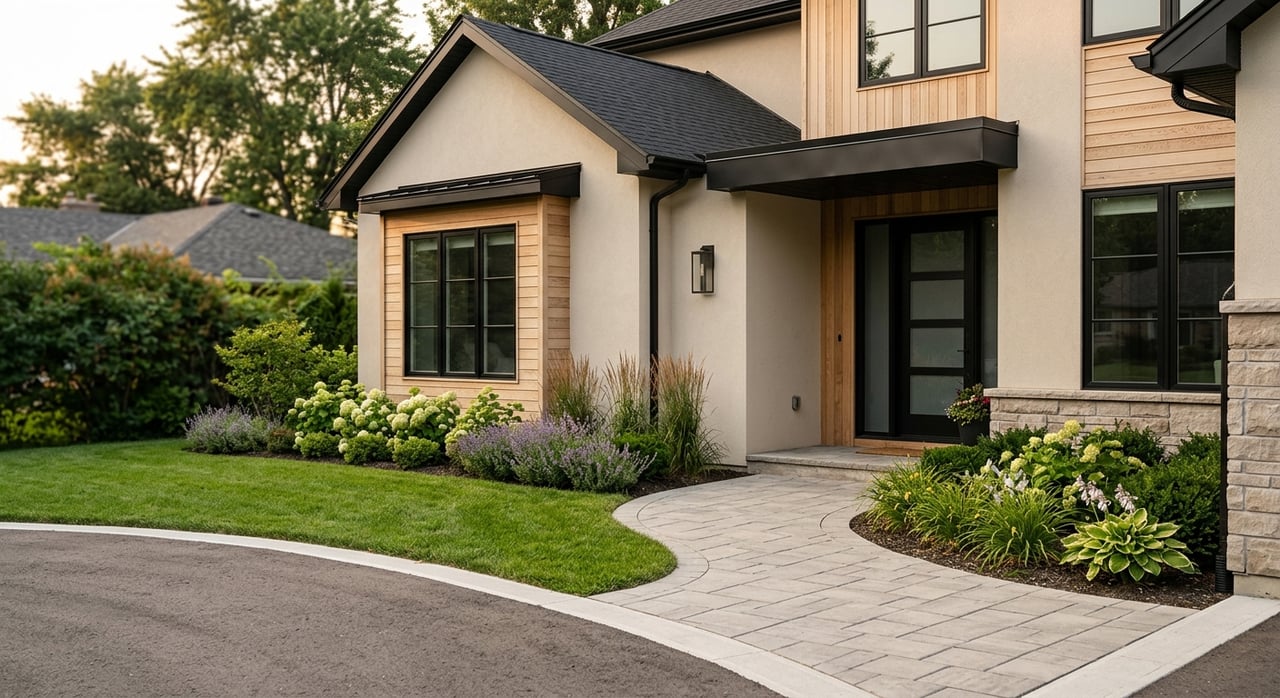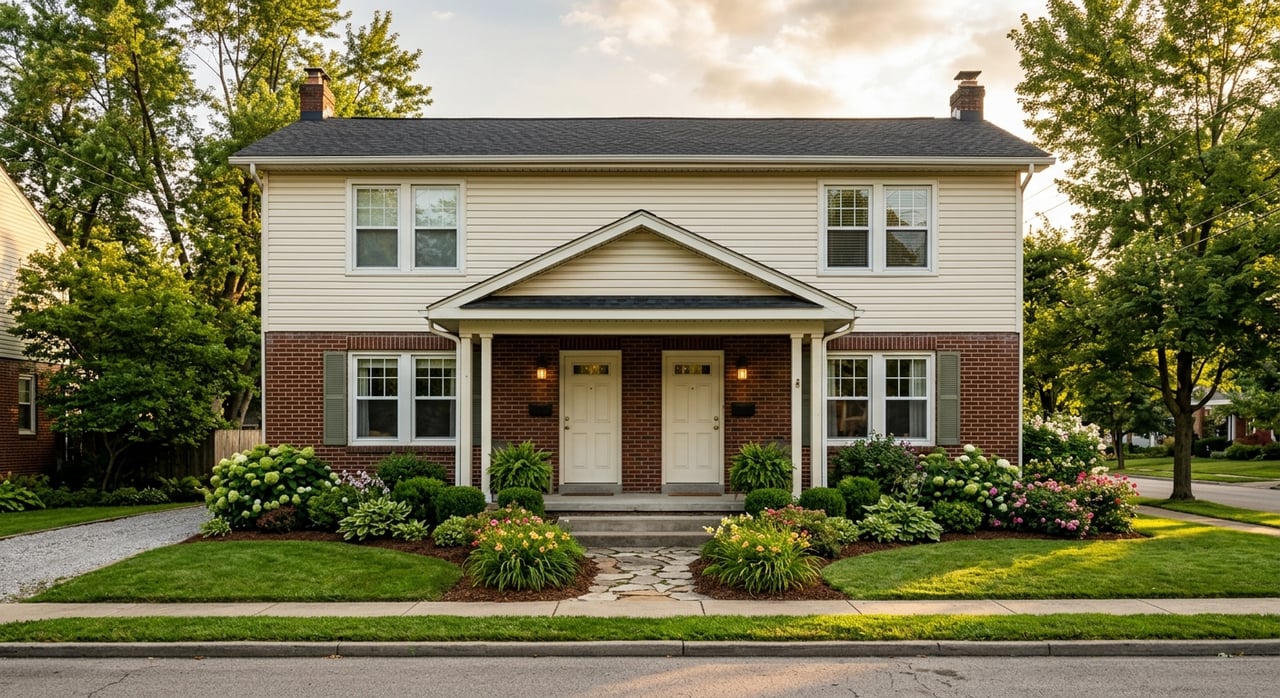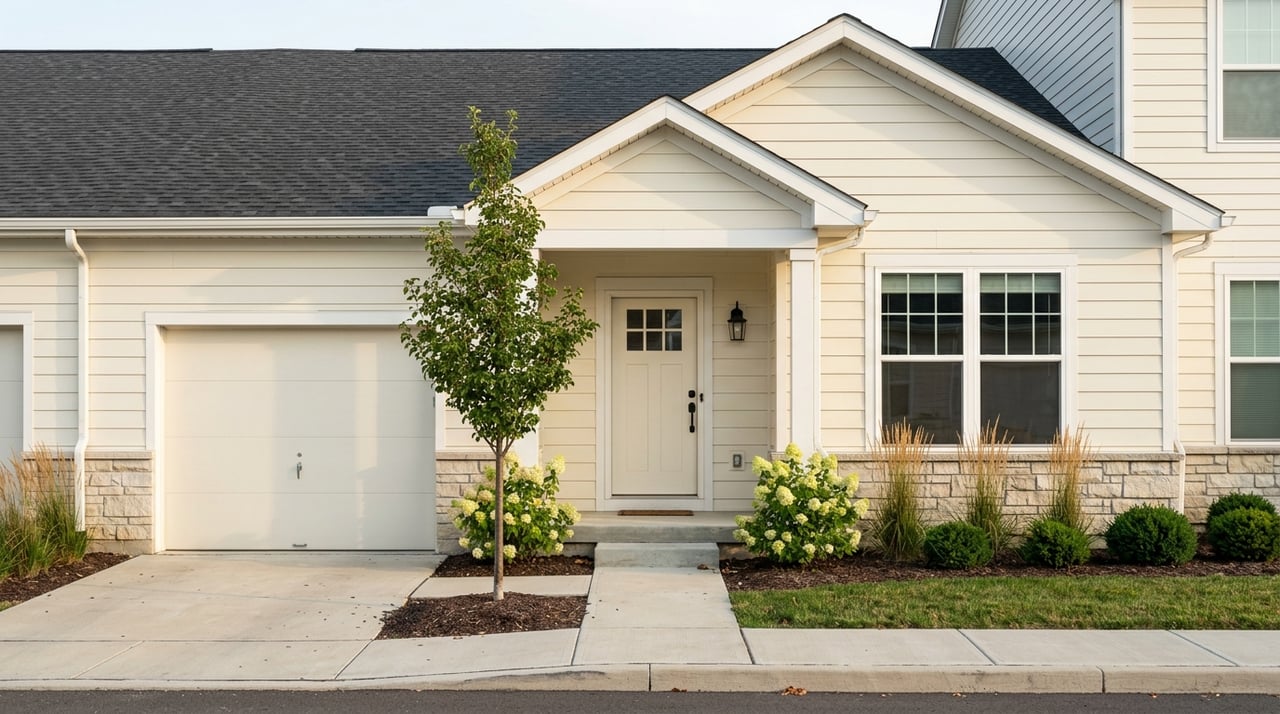
Thinking about buying a brand-new home in Waukee? It is easy to picture the fresh finishes, modern layout, and lower maintenance, but new construction comes with a different set of decisions than buying a resale home. If you want to avoid surprise costs, timeline frustration, or contract confusion, it helps to know what to ask before you sign. Let’s dive in.
Why Waukee New Construction Gets Attention
Waukee has an active development pipeline, and that matters if you are shopping for a newly built home. The city’s Community Development department handles building inspections, permit review, permit issuance, and review of plats, site plans, and rezoning applications for new homes.
The city has also reported record-breaking permit activity. Its recent monthly reports showed 196 permits in April 2026 and 182 permits in May 2026, including 17 single-family permits in May. Public current-project lists also show a mix of single-family, townhome, multi-family, commercial, and institutional development, including projects such as The Wren and Alderbrook in 2026.
For you as a buyer, the practical takeaway is simple. Waukee is growing, and there are opportunities, but a busy market also means you need to look closely at lot details, builder timelines, and contract terms.
Understand the Type of New Build
Not every new-construction purchase works the same way. Some homes are production builds with preselected plans and repeatable processes, while others involve more customization and a longer decision timeline.
National builder data shows the average U.S. single-family home took 10.1 months to complete in 2023, while homes built for sale averaged 8.9 months. That means if you are not buying a spec home that is already well underway, you should usually expect a months-long process rather than a quick move.
Production, Spec, and Custom Differences
A production home usually follows a builder’s set floor plans and standard package. You may have some design choices, but the process is generally more streamlined.
A spec home is often built before a buyer is under contract, which can shorten your wait if construction is already in progress. A custom home tends to involve more individualized design and more decisions, which can also affect timing and budget.
Why This Matters for Your Move
If you need to line up a current-home sale, lease ending, or school-year timing, the build type matters a lot. A home that looks close to completion may fit your timeline better than one that is just breaking ground.
That is why one of the first questions to ask is not just “When can I move in?” but “What stage is this home actually in today?” The answer can shape your financing plans, temporary housing needs, and stress level.
Check the Lot, Not Just the Community
It is easy to focus on the model home or the subdivision entrance sign, but the exact lot matters. In Waukee, lot-by-lot review can make a real difference when it comes to buildability and day-to-day expectations.
Waukee processes building permits through Community Development and its online portal, and the city has adopted the 2018 International Building Code. Permit fees are calculated at issuance, with fee calculators available through the city to help estimate costs.
Floodplain and Site Review
Before treating a lot as fully buildable, ask whether any additional site-related approvals are needed. Iowa DNR notes that floodplain permits can be required when work is in a mapped floodplain.
That does not mean a lot is automatically a bad choice. It does mean you should ask specific questions early so you understand whether the site could affect plans, timing, or approvals.
School Assignment Can Change
For many buyers, school assignment is part of the decision-making process. Waukee Community School District has said it is the fastest-growing school district in Iowa and approved a new boundaries map on December 4, 2023, in response to overcrowding and feeder balance.
The practical takeaway is to verify the school assignment for the exact lot, not just the subdivision name. As development continues, boundary adjustments can affect which school serves a particular address.
Ask for the Standard Features Sheet
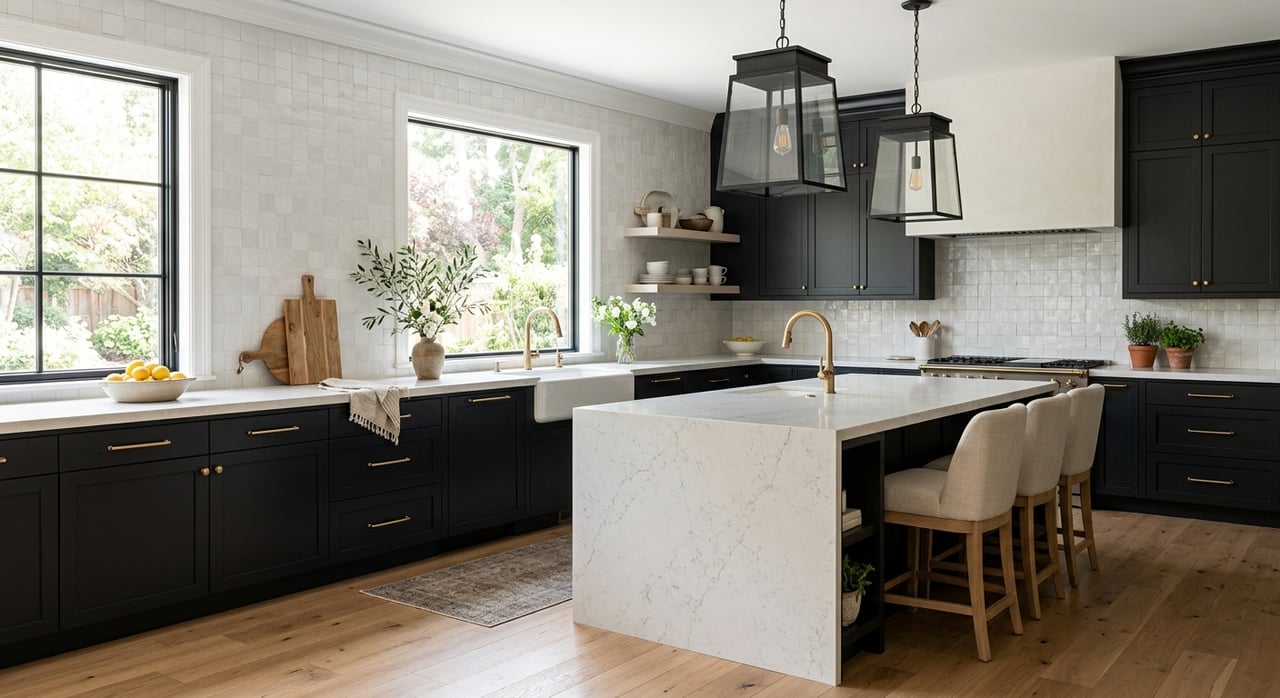
One of the biggest mistakes buyers make with new construction is assuming the model home reflects the base price. In many cases, it does not.
Model homes often include designer finishes and options that are not part of the builder’s standard package. Anything not listed on the standard-features sheet can become an upgrade, and those choices can change your final price quickly.
Compare Standard vs. Upgrade Items
Before you fall in love with a specific look, ask for two documents:
- The standard-features sheet
- The upgrade list with pricing, if available
This helps you separate what is included from what costs extra. It also gives you a more realistic way to compare builders, floor plans, and monthly payment impact.
Watch the Budget Creep
Small upgrades can add up fast. Flooring, cabinets, counters, lighting, trim details, and appliance selections can move the final number much higher than the advertised starting price.
When you review options, think in terms of priorities. Focus first on features that are expensive or difficult to change later, and be cautious about adding every design-center option just because it looks great in a model.
Know What a Model Home Means
If you are considering buying an actual model home, ask a few extra questions. A model may look beautifully finished, but it can come with details that differ from a never-lived-in new build.
Some model homes may have already been used, and part of the warranty period may already have elapsed. That makes it especially important to confirm what warranty coverage remains and whether any wear, use, or builder occupancy affects the condition or terms.
Builder Sales Team vs. Your Representation
When you walk into a model home, the on-site sales team is there to help, but their role is important to understand. A builder sales representative works for the builder.
That is different from having a buyer’s agent representing your interests. A buyer’s agent helps you evaluate pricing, contract terms, timeline risk, upgrade costs, and the questions that are easy to miss when everything is new and exciting.
Register Before the First Visit
Many builders require a buyer’s agent to be present or registered at the initial visit for that agent to qualify for payment. In practice, that means you should ask this question before your first model-home stop, not after.
NAR also says many buyer’s agents must have a written buyer agreement before touring a home, including a live virtual tour. Those agreements can spell out services, compensation, and timing, while you generally do not need one just to talk to an agent at an open house or ask about services.
Why Representation Still Matters
A new home can feel more straightforward than a resale home, but there is still plenty to negotiate and clarify. Representation can help you sort through what is standard versus upgraded, what happens if the schedule slips, how the punch-list process works, and how warranty claims are handled after closing.
Those are often the pressure points where buyers protect themselves from avoidable surprises.
Read the Warranty Like a Contract
A builder warranty is not the same thing as a home warranty or service contract. It is one of the most important parts of a new-construction purchase, and you should treat it that way.
FTC guidance notes that many builder warranties cover workmanship and materials for one year, HVAC, plumbing, and electrical for two years, and some structural defects for up to 10 years. Terms vary, so the actual warranty packet matters more than general expectations.
Review These Warranty Questions
Before closing, ask:
- What is covered, and for how long?
- When does each coverage period begin?
- How do you submit a claim?
- How quickly does the builder respond?
- Is mediation or arbitration required for disputes?
Many warranties include mediation or arbitration procedures, so you should understand that process before a problem happens. If you are financing with FHA or VA, FTC guidance also notes that newly built homes financed with those loans require third-party warranties.
Do Not Skip an Independent Inspection
A new home is still a home under construction, and that means mistakes can happen. Even if the city inspects the property during the permitting process, that is not the same thing as hiring your own inspector.
Consumer guidance recommends scheduling an independent home inspection as soon as possible so there is time to resolve issues before closing. An inspection and an appraisal serve different purposes, so do not assume the appraisal covers the same ground.
Inspection Timing Matters
If possible, line up the inspection early enough that any issues can be addressed before your final walkthrough and closing date. That gives you more room to request repairs, documentation, or clarification.
If defects come up, keep photos and third-party reports. Good records can help if questions continue after you move in and need to be addressed through the builder warranty process.
Plan for Delays and Contract Details
Even well-run builds can face timing changes. Material availability, scheduling, weather, inspections, and final punch-list work can all affect the closing date.
That is why you should ask direct questions about what happens if the build schedule slips. You want to know how delays are communicated, whether your rate-lock strategy may be affected, and what flexibility you may need with your move-out or move-in plans.
If You Are Using a VA Loan
There is one extra contract detail to know. For newly built homes financed with a VA loan, the VA escape clause must be in the contract, and upgrade deposits are not covered by that clause.
If you are using VA financing, it is worth reviewing that language carefully before you commit funds to optional upgrades.
Smart Questions to Ask in Waukee
When you tour new construction in Waukee, keep your questions focused on the issues that most affect price, timeline, and protection.
A strong starting checklist includes:
- Is this a production home, spec home, or more custom build?
- What stage of construction is the home in right now?
- What is included in the base price?
- Which finishes in the model are upgrades?
- Has this home been used as a model or occupied in any way?
- What warranty coverage applies, and when does it begin?
- How does the builder handle punch-list items and post-closing claims?
- What happens if the completion date changes?
- Does this lot require any added review, including floodplain-related review?
- What is the current school assignment for this exact lot?
- Does your agent need to register before the first visit?
These questions can help you compare communities more clearly and make decisions with fewer assumptions.
If you want a smoother new-construction experience in Waukee, it helps to have local guidance before the first model-home visit, not after the paperwork starts. The Mauro Team can help you evaluate builders, understand lot-level details, and move forward with clear, practical advice.
FAQs
What should you know before buying new construction in Waukee?
- You should understand the build type, expected timeline, lot-specific factors, school assignment for the exact address, standard features versus upgrades, warranty terms, and inspection process before signing a contract.
How long does new construction usually take in Waukee?
- Timing varies by builder and stage of construction, but unless you are buying a spec home already well underway, you should usually expect a months-long process rather than a quick move-in.
Why should you verify the exact lot in a Waukee new-construction community?
- Lot-specific issues can affect buildability, approvals, and school assignment, and floodplain-related permits may be required for some sites.
Are model-home finishes included in a Waukee new build price?
- Not always. Model homes often show upgraded finishes, so you should ask for the builder’s standard-features sheet and upgrade list to understand the true final cost.
Do you need an inspection for a newly built home in Waukee?
- Yes. An independent inspection can help identify issues before closing, and it is different from both the city inspection process and the lender’s appraisal.
Should you bring your agent to a Waukee builder model home?
- In many cases, yes, because some builders require the buyer’s agent to be present or registered at the first visit for that agent to qualify for payment.