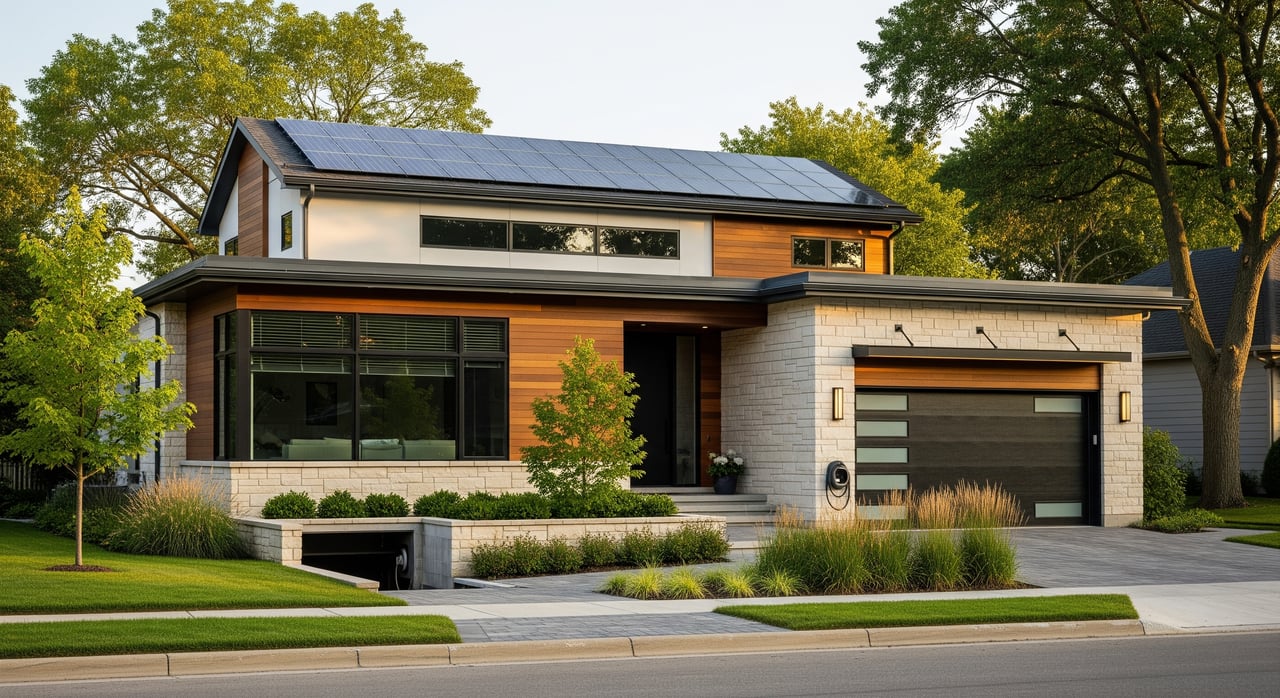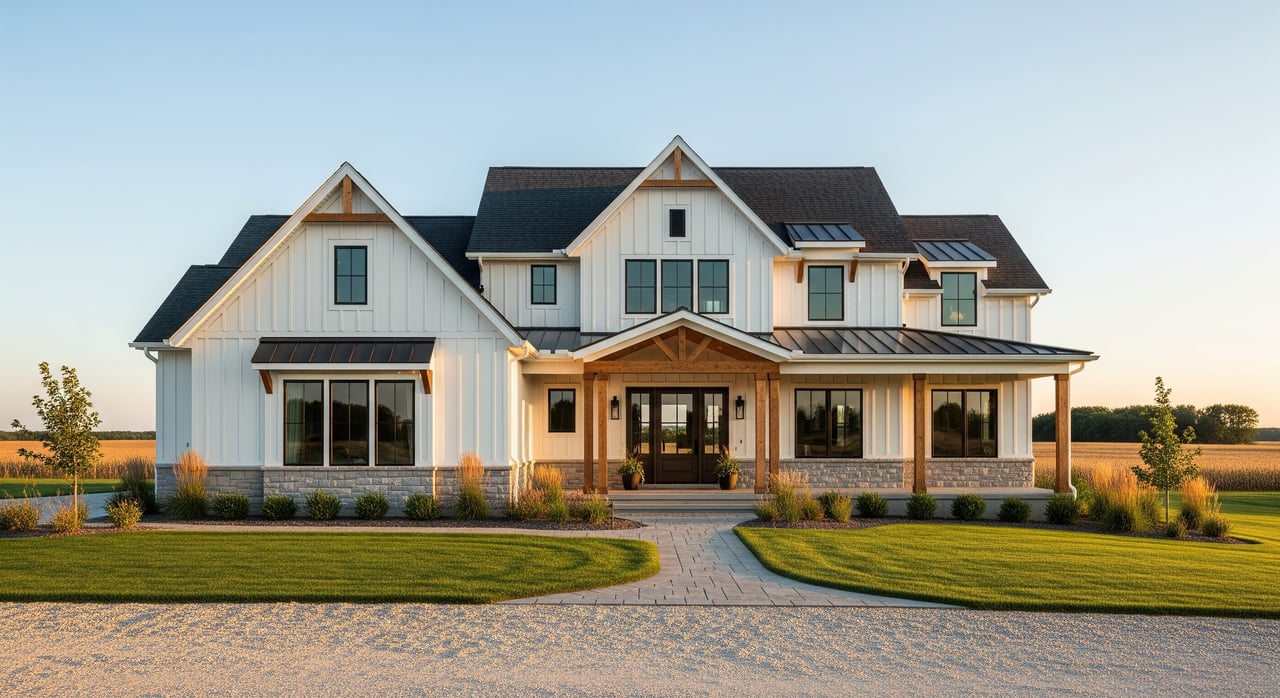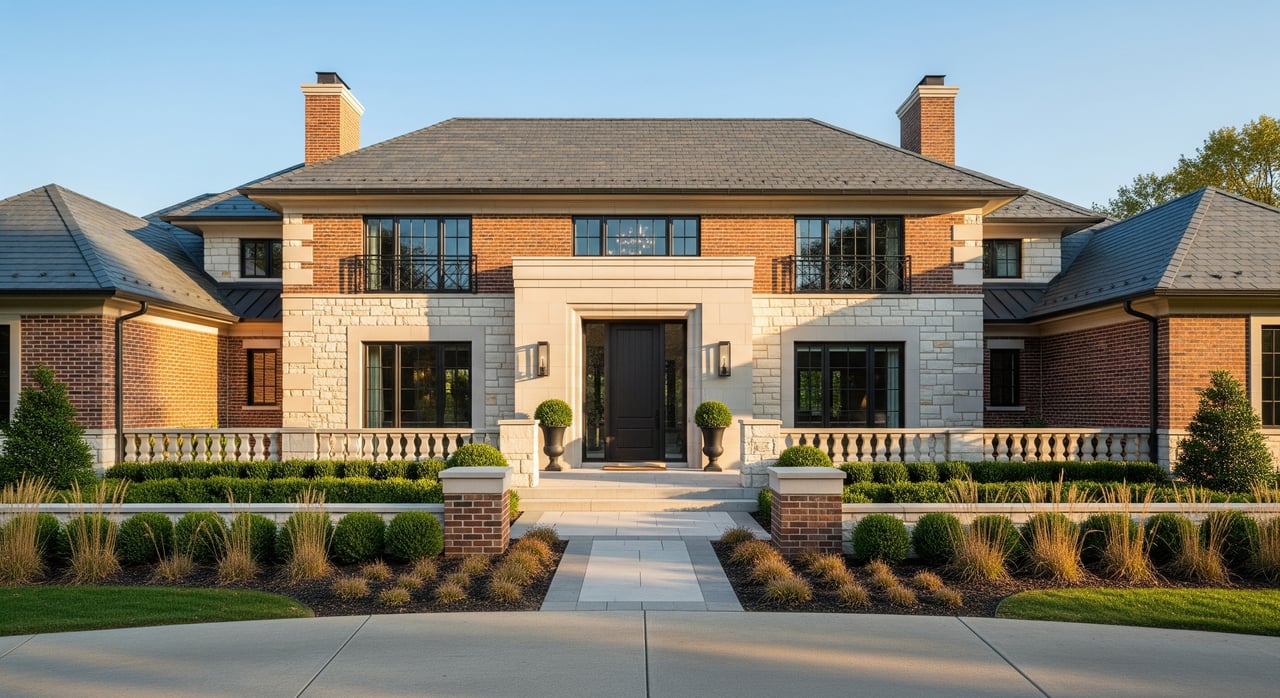
Wondering whether it’s time to move up in Ankeny? If your current home feels a little tighter than it used to, or your needs have changed over the last few years, you are not alone. Ankeny’s growth, housing mix, and lifestyle options make it a common place for homeowners to take the next step, and with the right plan, you can make that move with less stress and more confidence. Let’s dive in.
Why move-up buyers look to Ankeny
Ankeny continues to attract established homeowners, which helps explain why move-up activity remains such a big part of the local market. The U.S. Census Bureau estimated Ankeny’s population at 77,833 in 2025, up 14.3% from 2020, and reported that 71.3% of housing units are owner-occupied. That tells you many households here are already homeowners who may be thinking about more space, a different layout, or a new location within the city.
Cost still matters, even when you are aiming higher. Census data also shows a median owner-occupied home value of $331,000 and median monthly owner costs with a mortgage of $1,976. If you are planning a larger home, it helps to focus not just on the purchase price, but on what the full monthly payment will feel like in your day-to-day budget.
Lifestyle is another big reason people stay in Ankeny while moving up. The city highlights more than 100 miles of trails, along with parks and greenways throughout the community. If outdoor access, everyday convenience, and room to grow all matter to you, Ankeny offers a lot to compare.
Start with your real reason
Before you look at listings, get clear on why you want to move. For many move-up buyers in Ankeny, the reason is not simply wanting a bigger house. It is usually about function.
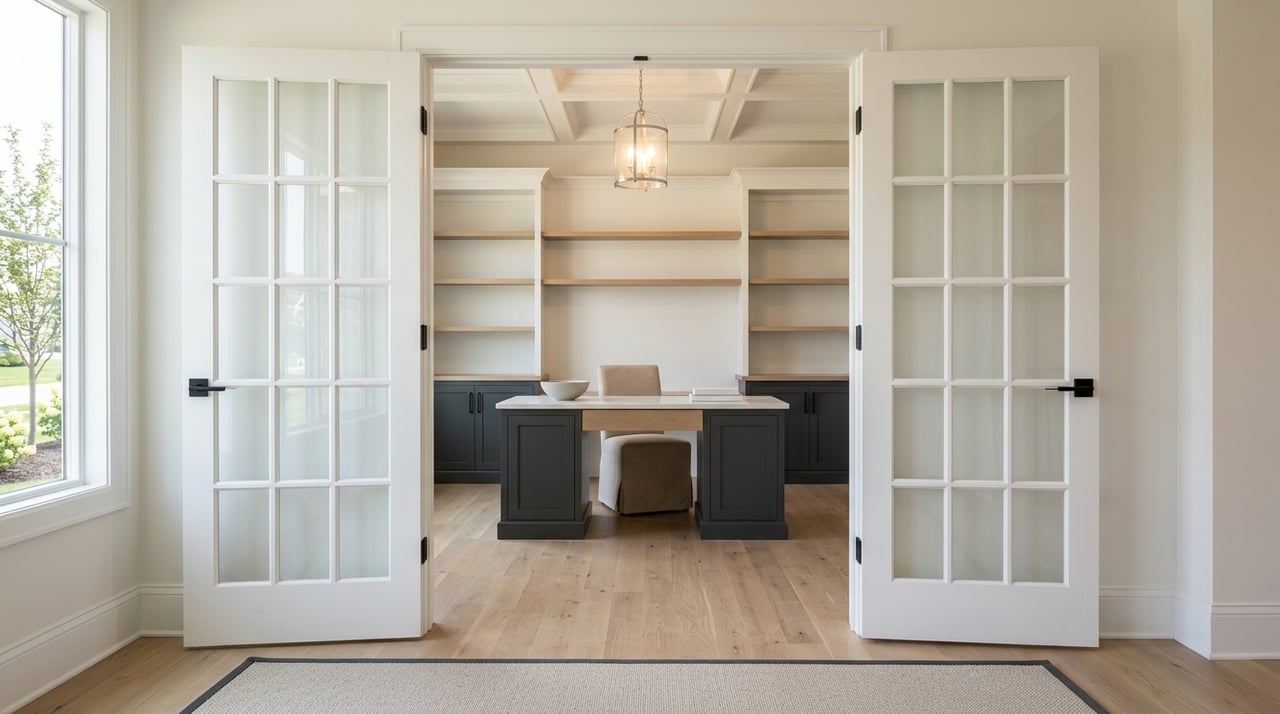
You may need more bedrooms, a better home office setup, a larger yard, or a layout that works better for your routine. You may also want to be closer to trails, shopping, dining, or other parts of town you use often. Once you identify the real goal, it becomes much easier to filter out homes that cost more but do not actually improve your daily life.
A move-up plan works best when you separate must-haves from nice-to-haves. That keeps you from stretching your budget for features that matter less than location, layout, or monthly cost.
Compare Ankeny location options
Where you move in Ankeny can matter just as much as how much house you buy. Different areas offer different tradeoffs in convenience, setting, and future growth.
Prairie Trail and The District
Prairie Trail is one of Ankeny’s most recognized master-planned areas. The District describes itself as the entertainment center of Prairie Trail, a 1,031-acre community in the middle of Ankeny, with dining, shopping, events, and services. If you want easy access to activity and amenities, this area may rise to the top of your list.
For some buyers, that kind of convenience adds daily value that square footage alone cannot. For others, it may be less important than a quieter setting or a different home style. The key is knowing what kind of routine you want your next home to support.
Uptown Ankeny
Uptown offers a different feel. The city’s community character plan describes it as a historic commercial district around 3rd Street with specialty retail, restaurants, a brewery, a pedestrian-friendly streetscape, trail access, and a weekly farmers market.
The same plan notes that surrounding areas are mainly low-density single-family residential. If you want established residential streets with access to local businesses and community spaces, Uptown can offer a different kind of appeal than newer development areas.
NE 36th Street and I-35 area
If future growth and access are top priorities, the NE 36th Street and Interstate 35 area is worth watching. The city identifies this area as a future retail, office, and residential destination.
That can be helpful if you value convenience and want to be near developing commercial corridors. At the same time, buyers should weigh road access and nearby activity against their preference for a quieter residential feel.
Verify school boundaries carefully
If school assignment is part of your move-up decision, do not assume a home feeds a specific building based on a listing description or neighborhood name. The Iowa Department of Education’s 2025-2026 Ankeny Community School District boundary verification map is the official reference.
This matters because school boundaries can directly affect your home search area and the value you place on one location versus another. Verifying early can save you from building a plan around the wrong property.
It is also helpful to understand the district at a high level. According to NCES 2024-2025 data, Ankeny Community School District is a PK-12 district with 18 schools, 12,746 students, and a 15.5 student-teacher ratio. The district also offers DMACC concurrent-enrollment opportunities in high school, which may be a useful long-term consideration for some households.
Build your budget from monthly cost
A move-up purchase should start with payment planning, not just a maximum approval amount. As of July 16, 2026, Freddie Mac reported the average 30-year fixed mortgage rate at 6.55%. In this rate environment, even a modest jump in price can create a meaningful change in monthly cost.
Recent market data also shows that Ankeny remains active. Zillow reported an average home value of $342,159 as of June 30, 2026, with 409 homes for sale and a median 18 days to pending. Zillow also reported a median sale price of $308,333 and a median list price of $344,750.
Broader area data gives useful context too. Realtor.com reported a Polk County median listing price of $315,000, while DMAAR’s May 2026 metro report showed 4,130 active listings, 1,435 closed sales, a median sales price of $306,000, and 66 days on market. Since these sources track different measurements, it is best to use them as directional signals rather than exact comparisons.
Costs to include in your plan
When you build a move-up budget, include more than the down payment. Fannie Mae says buyers should also plan for:
- Closing costs
- Earnest money
- Private mortgage insurance if your down payment is under 20%
- Monthly taxes and insurance through escrow
- Moving costs
- Utilities
- Cash reserves
Fannie Mae also states that closing costs generally run about 2% to 5% of the purchase price, and that some loans allow down payments as low as 3%. That is why a clear cash plan matters before you start touring homes.
Estimate your equity before shopping
If your current home will help fund the next one, your equity position is one of the most important numbers in your plan. You want to know how much you may have left after sales costs, mortgage payoff, and other liens.
Fannie Mae notes that a lender may qualify a borrower using anticipated sales proceeds when the current home is listed but not yet sold. Its framework subtracts sales costs and liens from the sale price, or uses 90% of list price minus liens if no sales price has been established, subject to market-condition adjustments. If you need those proceeds for your down payment or closing costs, the lender must verify them with the settlement statement from the old home.
That means your move-up strategy should begin with a realistic valuation of your current home, not an optimistic guess. A data-backed estimate helps you set the right price range for the next property and avoid surprises later.
Plan your sell-and-buy timeline
For many move-up buyers, the hardest part is not finding the house. It is coordinating two transactions without creating a cash or timing problem.
Some homeowners need to sell first to unlock equity and keep risk low. Others may need to buy before they sell because the right home becomes available at the right time. Neither path is automatically better. The best option depends on your finances, comfort level, and how much flexibility you have.
If you buy before you sell
A bridge loan can be one possible tool. CFPB says a temporary bridge loan has a term of 12 months or less, and Fannie Mae says the lender must document your ability to carry the new home payment, current home payment, bridge loan, and other obligations. Fannie Mae also says the bridge loan cannot be cross-collateralized against the new property.
In plain terms, buying first can work, but only if your lender is confident you can handle the overlap. This is where early planning matters most.
If you need a short overlap after closing
Sometimes the issue is not financing but timing. If you sell and need a little extra time in the home after closing, a rent-back agreement may help create that overlap.
Fannie Mae allows a rent-back credit, but it cannot be used as eligible funds for closing costs, your down payment, or reserves. So it can help solve a timing issue, but it does not replace the need for strong cash planning.
If a short rental gap is necessary
Not every move lines up perfectly. If you need temporary housing between homes, Zillow’s Ankeny data put average rent at $1,520 as of June 30, 2026. That can serve as a rough planning benchmark if a short-term gap becomes part of the process.
Review property taxes before closing
Taxes are an easy detail to overlook during a move-up search, but they can affect your monthly cost more than expected. Iowa’s homestead rules changed under SF2472, which replaced the homestead tax credit with a homestead tax exemption equal to 10% of taxable value, retroactive to assessment year 2026.
Iowa.gov also states that homestead applications are due by July 1, and a homeowner may not claim the homestead benefit on another Iowa property at the same time. If you are moving from one owner-occupied home to another, it is smart to recheck the tax treatment on the new property before closing.
Make your offer strategy match your financing
A strong move-up plan connects your offer terms with your loan strategy from the beginning. CFPB notes that a purchase contract can limit how much time and flexibility you have to close, and the mortgage contingency clause determines whether your deposit is refunded if financing falls through.
That means you should not treat financing as something to finalize after your offer is accepted. Your budget, sale timing, contingency needs, and lender conversations should all line up before you compete for the next home.
Fannie Mae also recommends comparing at least three Loan Estimates so you can evaluate costs, APR, and fees on the same basis. When you are balancing sale proceeds, a new payment, and possible overlap costs, those details matter.
A smarter move-up plan for Ankeny
Moving up in Ankeny is not just about finding a bigger house. It is about choosing the right location, understanding your real monthly cost, verifying the details that matter to your household, and building a timeline that supports both your sale and your next purchase.
With Ankeny’s continued growth, active housing market, and wide range of lifestyle options, there is real opportunity for homeowners who plan carefully. The more clearly you understand your equity, budget, and timing, the more confident you can feel when the right home shows up.
If you are thinking about your next move in Ankeny, the Mauro Team can help you evaluate your current home, understand your options, and build a practical plan for buying and selling with confidence.
FAQs
How much equity do you need to move up in Ankeny?
- You need enough equity to help cover your next down payment, closing costs, moving expenses, and any overlap with your current mortgage. A net-proceeds estimate based on your likely sale price, sales costs, and mortgage payoff is the best place to start.
Should you move up within Ankeny or stay put?
- That depends on whether your current home still fits your needs. Common reasons to move up in Ankeny include needing more bedrooms, a better layout, a different school assignment, more yard space, or easier access to amenities and daily destinations.
What should you verify before buying a move-up home in Ankeny?
- Check school boundaries, property tax treatment, HOA dues if applicable, and whether your financing plan depends on a bridge loan, home sale contingency, or rent-back timing.
How active is the Ankeny housing market for move-up buyers?
- Recent data suggests Ankeny remains active, with Zillow reporting 409 homes for sale and a median 18 days to pending as of June 30, 2026. Broader Polk County and metro data also point to steady inventory and sales activity.
Why does monthly payment matter so much for a move-up purchase in Ankeny?
- Higher home prices and mortgage rates can raise your payment quickly, even if the purchase price increase seems manageable. Looking closely at principal, interest, taxes, insurance, and other carrying costs helps you choose a home that fits your long-term budget.